Metro the missing piece of data centre boom
Demand for data centres is surging, but experts say there’s still a huge gap in the market for the supercomputer facilities in metro locations.
The development of data centres is concentrated in regional or, at best, outer-suburban areas. But supply of “edge” data centres – so-called because they are located at network edge points closer to end users – is failing to meet demand.
The advantage of edge data centres, while smaller than their large counterparts, lies in their proximity. Shorter connections result in fewer issues with data transfer delays or latency.
“CBD edge data centres specifically are expected to become the critical missing layer in Australia’s digital stack,” said Darcy Frawley, CBRE’s director of Pacific capital markets, data centres team.
“In modern city environments, milliseconds matter. The surge in IoT, AI inference, and latency‑sensitive applications is reshaping Australia’s digital landscape.
“Edge data centres are becoming the backbone of this evolution.”
Latest data from construction research firm Hubexo shows that the majority of new data centres are located far from the nearest city centre.
In the two years between March 2024 and February 2026, 83 centres were either in the early design stages, had received planning approval or commenced construction. Analysis of these centres found only 13, or 15.6 per cent, are within a 10-kilometre radius of the closest capital city.
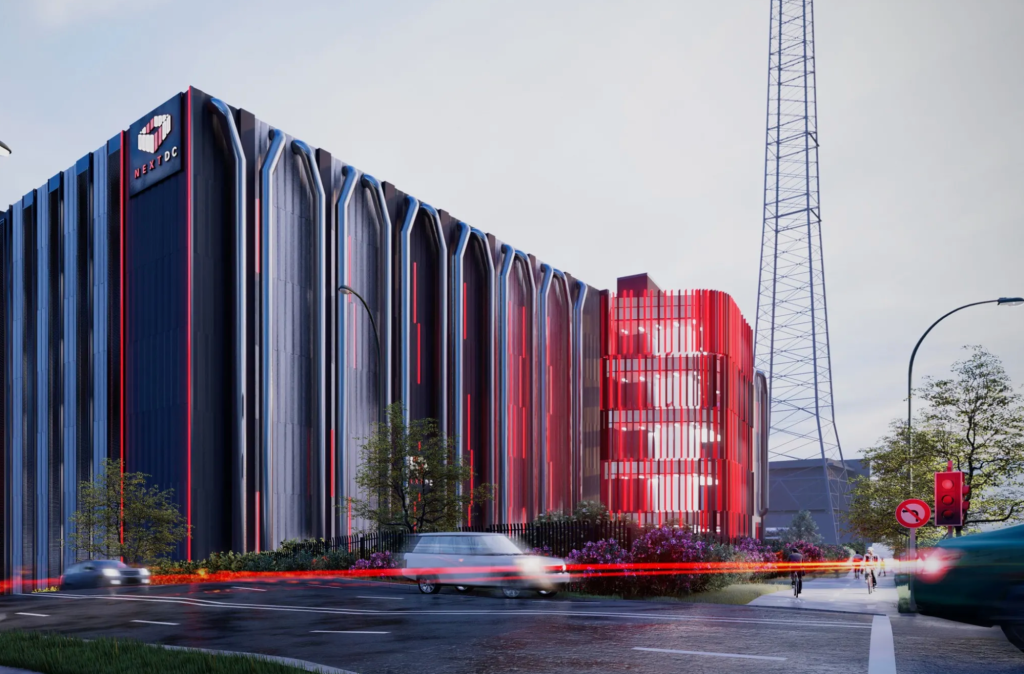
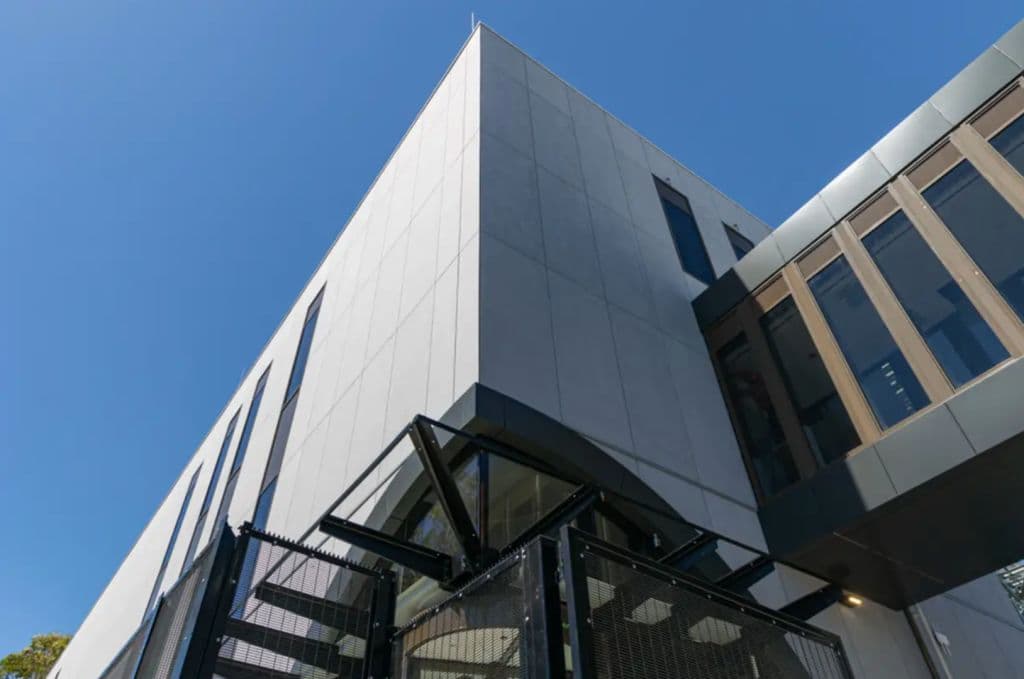
These inner-city data centres include a $800 million centre in Footscray, eight kilometres west of Melbourne’s CBD, the refurbishment of Global Switch Australia’s two adjoining data centres in the inner-Sydney suburb of Ultimo and the new Darwin six-storey development by major data centre developer NextDC.
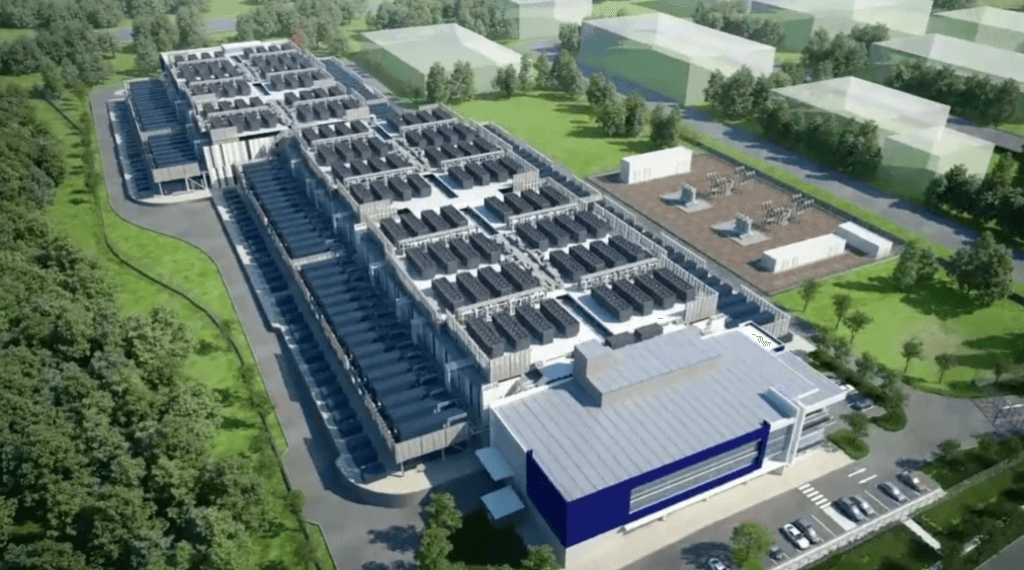
“From our reporting when it comes to new data centre developments, we’re not seeing CBD builds, we’re seeing campus-style developments in outer industrial precincts where developers can secure large footprints and stage expansion where power, fibre and transport converge,” said Ashleigh Porter, Hubexo president, APAC.
Australia’s data centre boom is well underway, with new projects totalling $48 billion in total value. Most are being developed by a small group of developers, including NextDC, Digital Realty, Stack Infrastructure and DigiCo, and all are being driven by Australia’s appetite for AI.
“Demand is being driven by hyperscale cloud providers, AI compute requirements, sovereign data considerations and enterprise migration from legacy on-prem infrastructure,” said Porter.
The federal government is hoping to balance the need for digital infrastructure with community expectations after concerns were raised about the large amounts of power and water required by massive data centres.
Newly announced expectations released by the Department of Industry, Science and Resources in March outline risks for developers who do not secure government support if they do not meet the guidelines.
“Data centre operators should conduct their businesses in ways which work for the benefit of the Australian economy, people and their local communities,” the expectations state.
“They should operate in good faith, delivering positive outcomes while minimising adverse effects on local communities wherever possible.”
Energy usage is the major impediment to data centre development, particularly in urban areas where high-voltage power lines and heavy water pipelines are a must.
The Australian Energy Market Operator estimates that data centres could account for 12 per cent of electricity usage across the national grid by 2050 – a sharp rise from 2.2 per cent in 2025.
The construction of data centres internationally, where AI progress outpaces Australia’s, points to a gradual shift towards metro development.
“As we’ve seen in North American and European cities, locating compute closer to dense urban demand unlocks entirely new levels of performance for real‑time applications,” Frawley said.
“Most Australian enterprises still backhaul data to large suburban campuses or interstate facilities. CBD edge nodes will change that dynamic, mirroring the European trend in which localised compute dramatically improved performance for finance, media, and professional services.”