Melbourne retail strips face widening vacancy divide
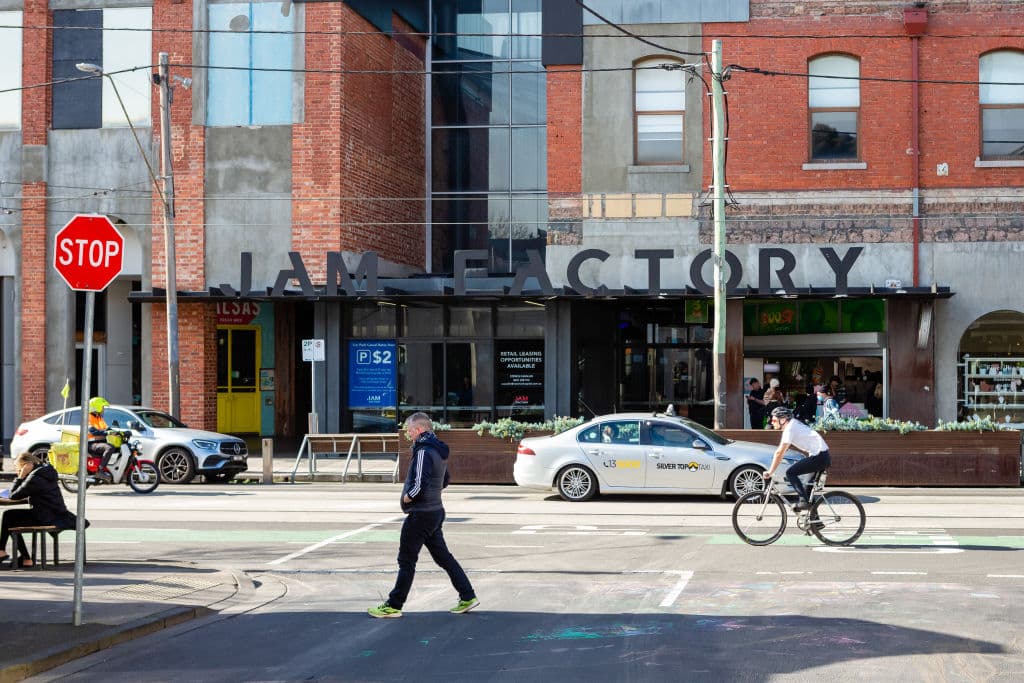
A shopfront rarely falls empty on Brighton’s Church Street. On the South Yarra stretch of Chapel Street, one in five stands vacant as the $5 billion Jam Factory redevelopment picks up pace. It’s a tale of two cities on Melbourne’s shopping strips, where the prospect of hundreds of new neighbours is still some way off for traders living through construction today.
Fitzroys’ 2026 Walk the Strip report puts Church Street among the perennial performers, with just 0.7 per cent of shops vacant. At the other end of the scale, the city end of Richmond’s Bridge Road is among the perennial underachievers, with double-digit vacancy for eight years running.
Across the 37 strips and street sections surveyed, average vacancy rose across the city from 7.2 per cent to 8.1 per cent.
Chapel Street recorded the sharpest rise, from 9.1 per cent to 20.7 per cent, while Acland Street in St Kilda recorded the survey’s biggest improvement, falling from 10.5 per cent vacant to 5.6 per cent.
James Lockwood, director of retail leasing at Fitzroys, singles it out alongside Fitzroy Street in St Kilda, Toorak Village and Carlisle Street in Balaclava as strips where redevelopment is already disrupting trade.
“I just think Chapel Street is just moving through the biggest physical change I think it’s ever seen in its history. But what it’s going to deliver at the end: more offices, more residents, and you know retail will follow,” he says.
Development disrupts trade
As developments continue to change the character and profile of many retail strips, there’s a stark difference between those that have been delivered and those that have not.
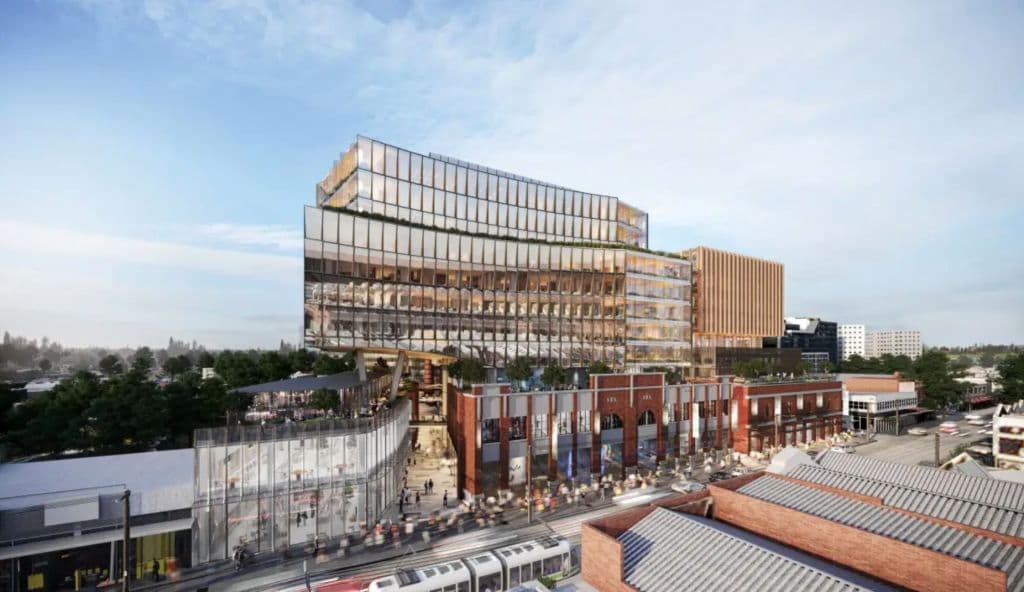
At the Jam Factory, Gurner and Qualitas plan up to 800 apartments, about 10,000 square metres of offices, two hotels and a cinema complex. That puts office workers within walking distance of Chapel Street’s cafes at lunchtime and cinemagoers within reach of its restaurants after dark. But it also gives them about 20,000 square metres of new retail and hospitality space to spend their money in before they venture onto the street.
Nearby, the Cecil Place development will add shops, offices and hospitality space, while plans for the Imperial Hotel would turn the pub into a four-storey venue for 1200 patrons. Existing restaurants with fitted kitchens have one advantage in the competition for tenants. Fitzroys says premises ready for service are among the first to lease as operators weigh the cost of a new fitout.
Lockwood has seen some traders leave Chapel Street during construction. In his experience, retailers generally start looking seriously at new premises six to nine months before a project is finished.
“It’s when the retailers can go and look, touch, and feel the retail. They can actually walk into it,” he says.
To demonstrate what happens once residents arrive, Lockwood points to Puckle Street in Moonee Ponds.
He estimates about 2000 apartments now surround the strip, where vacancy has held at 2.4 per cent for two years. On Centre Road in Bentleigh, apartments above the shops put residents within walking distance of three supermarkets. Just 1.6 per cent of shopfronts are vacant. Only Church Street recorded a lower rate.
Carlisle Street shows how long the gap can be between a shop falling vacant and a new customer moving in. Lockwood attributes much of its rise from 7.1 per cent vacant to 10.7 per cent to Coles buying up shops on a single block. The group now controls a 6417-square-metre site, including a former council car park, earmarked for a supermarket, apartments and public open space.
Fitzroys says its shopfront survey captures only part of the building activity in the streets around these strips. More housing is planned under the Victorian government’s Activity Centres program, which aims to accommodate more than 300,000 new homes by 2051 around transport and services hubs, including established shopping streets.
Bridge Road struggles
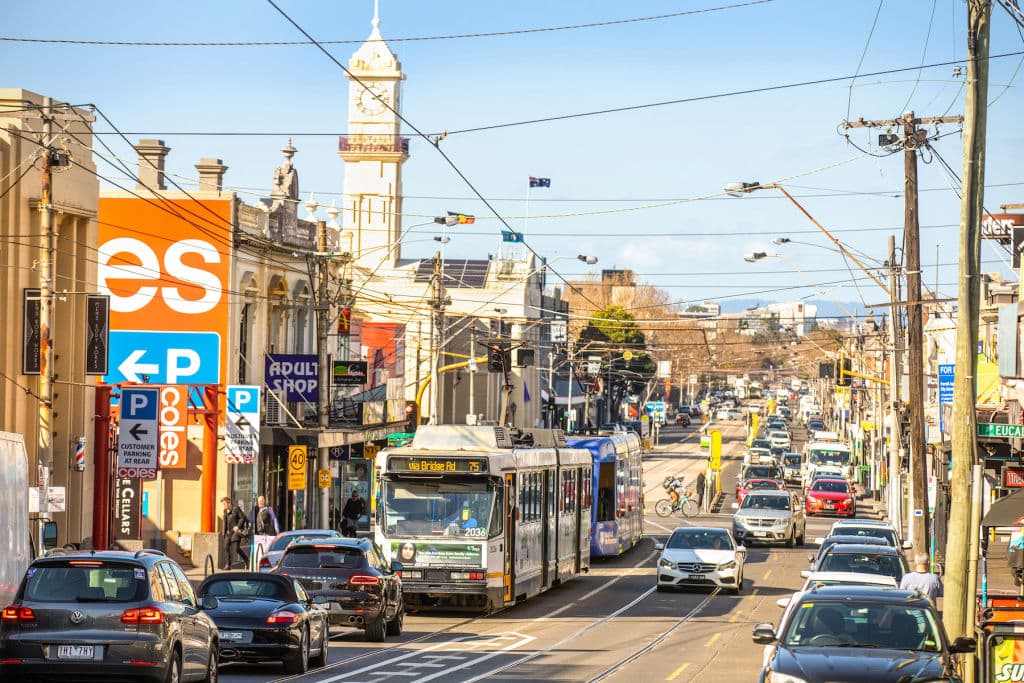
On Bridge Road, the prospects for a landlord can change within a few blocks. Between Punt Road and Lennox Street, 19.8 per cent of shops are vacant. The Epworth Hospital draws patients to nearby medical and allied health practices, but Lockwood says many head home after their appointments, giving them little reason to linger at that end of the strip.
Further east, the Coles-anchored Richmond Traders development has brought apartments and a supermarket to the former factory-outlet strip. Even with those new neighbours, vacancy between Lennox and Church streets rose from 9.6 per cent to 14 per cent over the past year.
Beyond Church Street, restaurants trade alongside bulky goods retailers. Kokoda Property has an apartment project in the works, while a planned 100-room Marriott hotel and 26 serviced apartments could bring Bridge Road a different customer again: a visitor looking for somewhere to eat within walking distance of their hotel.
“That’s pretty good for the street,” says Lockwood. “International tourists and interstate tourists are all of a sudden on Bridge Road.”
Church Street bucks trend
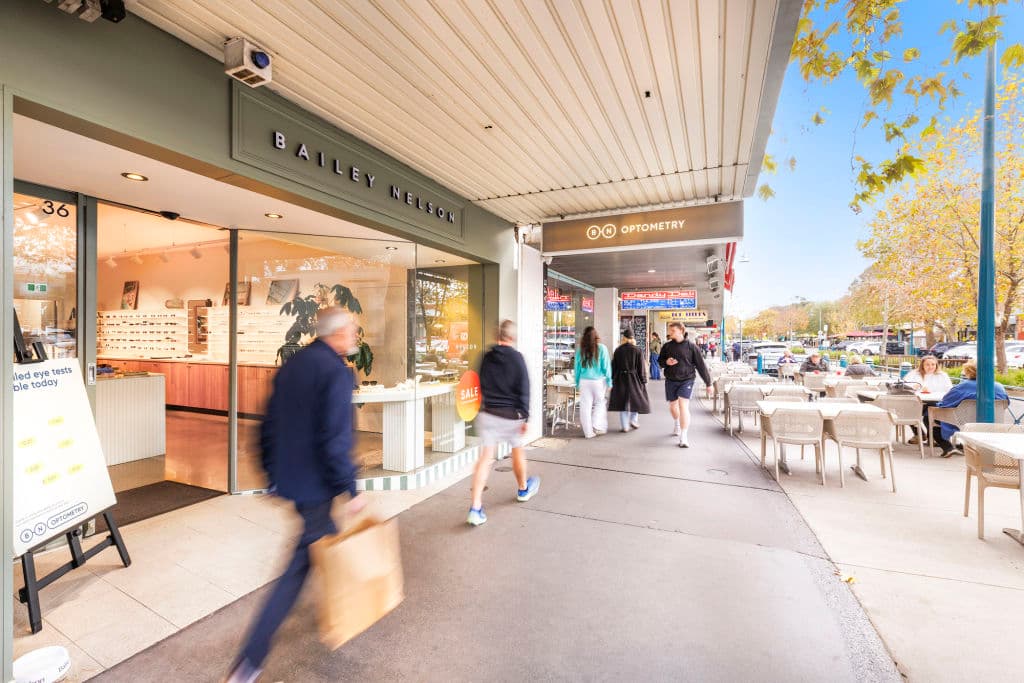
Church Street has stayed below 3 per cent vacancy in every survey since 2019. This year, Country Road renewed its lease, while fashion label Carla Zampatti found room to expand directly across the road from its existing store.
Lockwood says luxury labels seek out Church Street for its affluent local shoppers. The strip has limited room to expand, and specialty retailers occupy almost six in 10 shopfronts, nearly double their share across the survey.
“You’re in what is the highest median house price in Melbourne. It’s pretty cool down there, it’s like a village – it’s its own thing. Really high-end luxury retailers that want to get in there and they want to be in High Street, Armadale … because people have more [to] spend,” he says.
Not all of Brighton is so lucky, with nearby Bay Street, with tenants ranging from dentists to pet groomers, recording a vacancy of 8.4 per cent.
Hospitality drives demand
Across the surveyed strips, food and drink operators generated the most leasing enquiries and signed the most leases. They accounted for 31 per cent of tenancies, drawing level with specialty shops. It was only the second time food and drink had ranked at least equal first.
Service businesses, including optometrists, physiotherapists and Pilates studios, increased their share of tenancies by 2.2 percentage points to 29.2 per cent, well above the 10-year average.
Lockwood says these types of businesses give locals a reason to come back for something they can’t do online.
Sooshi Mango joins the Lygon Street revival
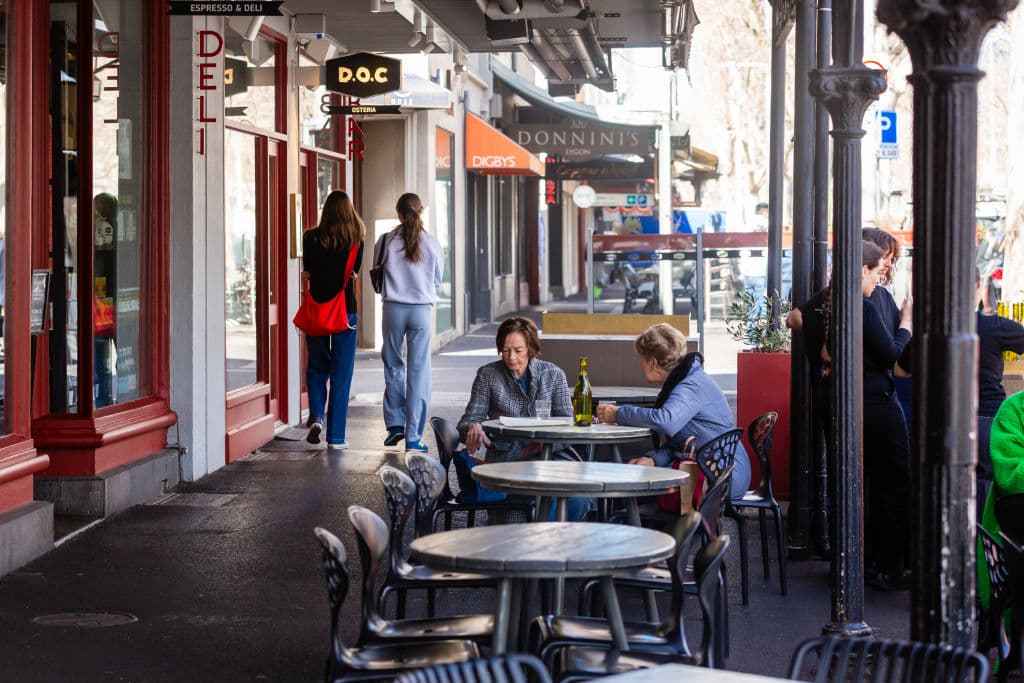
In Lygon Street, Carlton, vacancy fell from 9.2 per cent to 5.6 per cent in a year, its lowest level since 2018.
One of the operators giving diners a reason to return is a comedy trio. Sooshi Mango opened its Italian sandwich shop, Sangaweech, at 300 Lygon Street, three doors from its popular outlet, Johnny, Vince & Sam’s Ristorante.
“You’ve obviously got your Italian flavour down there, but the new additions where I’ve seen Lygon Street change is where you’ve got different types of hospitality going in there,” Lockwood says.
He points to the attention the comedians generate online, as well as the arrival of Hector’s Deli and the revamped King & Godfree. They have broadened the dining offerings on a street long associated with Italian institutions such as Tiamo and Donnini’s.
St Kilda offers its own version of the divide. On Fitzroy Street, where DJ and hospitality operator Grant Smillie is refurbishing The Saint, vacancy rose from 7.1 per cent to 11.1 per cent.
Nearby Acland Street recorded the survey’s biggest improvement, falling from 10.5 per cent vacant to 5.6 per cent.
Mezza House & Grill and Bombay Rocks Indo Fusion Restobar joined an Acland Street dining strip that already draws patrons from the Village Belle pub and the nearby Espy. Lockwood also credits the City of Port Phillip for helping temporary tenants try out vacant shops.
“They do the pop-ups. It generates activity, and all of a sudden, in some of those cases, the pop-ups end up staying,” he says.