
Japanese investment in Australian real estate is expected accelerate this year as this country’s chronic housing undersupply and demand by Japanese institutions for quality assets with growth potential drives investment into both residential and commercial property.
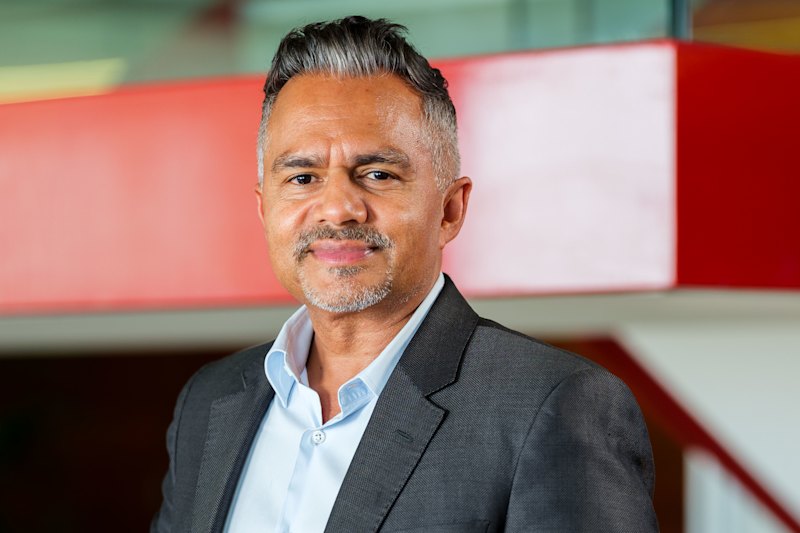
Investment that picked up in 2025 on the back of deals involving Tokyo Tatemono, Samty Holdings and Marubeni, Haseko and Mizuho Leasing showed no sign of easing, said Damien Roberts, head of the Japanese client practice at HSF Kramer in Australia.
Preliminary figures from the 2025 Japan-Australia Investment Report – which the law firm and Australian National University will publish in March – show a total 15 acquisition and partnership deals, more than the 14 recorded in 2024.
“We expect to see further investment by the leading Japanese residential housing companies in land development and speculative housing opportunities,” Roberts told The Australian Financial Review.
That’s the case with Asahi Kasei Homes, which aims to double the profit of Australian subsidiary NEX Building Group over the coming three years by selling more speculative homes, expanding its land development business and rolling out a wider range of homes to buyers at lower price points.
The property arm of the Tokyo-listed ¥1.8-trillion ($18.3 billion) chemicals conglomerate Asahi Kasei Corporation wants to double the FY24 operating income of NEX to ¥10 billion by FY27.
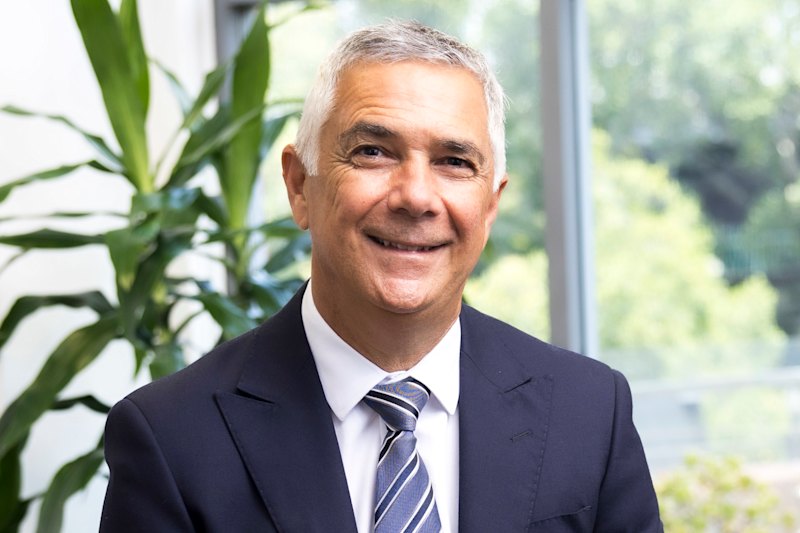
“In Australia, we would like to expand our current business, which is the build-to-order business, and then also spec homes, the turnkey business and then also the land development businesses,” Tomonori Shin, who oversees the company’s Australian and US divisions, told the Financial Review.
NEX completed 180 turnkey homes – developed with the company’s own capital and only sold to buyers after completion – in the year to March 2025, a figure it said was likely to increase to 280 in the current year. In the year to March 2027, it aims to near-double that to 500.
The expansion push by AKH – an investor since 2017 in Australian housing – that includes opening a land development arm, NEX Property, and widening the reach of its lower-priced Now housing range, comes as a growing pool of Japanese investors pushes into Australian real estate.
The housing sector is on an upward march, led by investors buying apartments and institutions getting behind build-to-rent developments and new housing starts are set to peak in 2027 at 225,000, consultancy Macromonitor says.
But investors don’t offer unqualified enthusiasm. In October, Sumitomo Forestry, the majority owner of home-builder Metricon – as well as Henley Properties, Scott Park and Wisdom Homes – warned that Australia’s red tape was getting in the way of investment into the residential sector as the country struggles to boost its supply of new homes.
Foreign investment rules, stamp duty regime and its development approvals processes put Australia at a disadvantage as it competes for much-needed capital in the global market, the company’s Australian head, Yasuhiro Odagane said.
But a long-term focus means a willingness to persist through headwinds.
Shin said political instability under the unpredictable Trump administration and a softening economy in the US did not affect the country’s long-term opportunities over the next five to 10 years and Asahi Kasei Homes had not reduced or altered its US investment plans.
“The US market is having a hard time,” he said. “In Australia, there was a hard time just after COVID. But when you look at the long view, Australia, and America, both have got big demand.”
Of the nine merger-or-acquisition real estate deals HSF Kramer and ANU recorded in calendar year 2025, five related to housing or mixed-use projects, while four related to Sydney office assets.
Separately, six partnership agreements signed covered urban planning, investment in build-to-rent assets, luxury apartment projects and the development of 3D-printed housing technology.
The volume and structure of investments is picking up as new investors make their first foray into Australian property investment, often under the umbrella of more established, earlier investors.
“Club deals have become far more prominent here, in which multiple Japanese investors (real estate developers, power utilities, trading houses, railway operators and leasing companies) contribute $10 million to $20 million of equity in projects led by a major Japanese real estate company in partnership with an experienced Australian counterparty,” Roberts said.