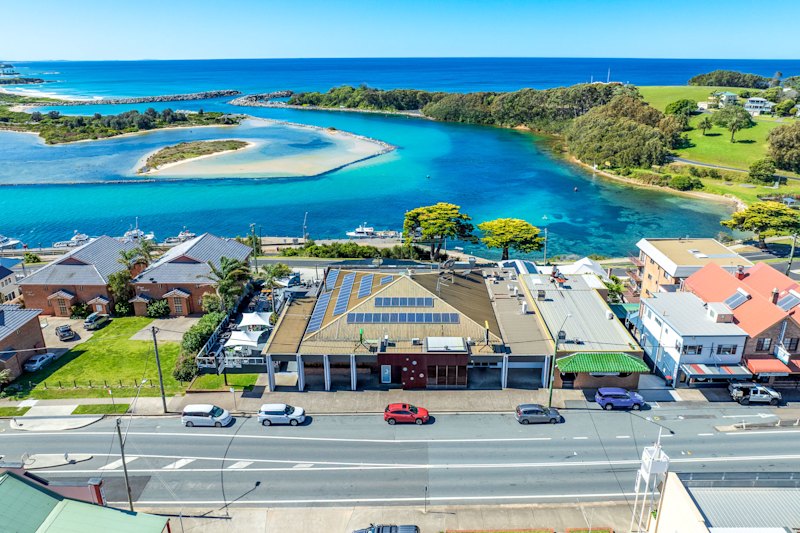
It’s a fight for scale in the booming seniors housing game: GemLife

Australia’s land lease sector will consolidate over the next decade as scale becomes crucial, leaving just three large listed companies developing and operating housing for seniors, according to the head of ASX-listed operator GemLife Communities Group, Adrian Puljich.
Mergers and acquisitions will dominate the sector that offers a way for middle-income home owners to downsize and which faces another 25–30 years of growth, not just from the Baby Boomer generation but their Millennial, or Gen Z, children as well, Puljich said.
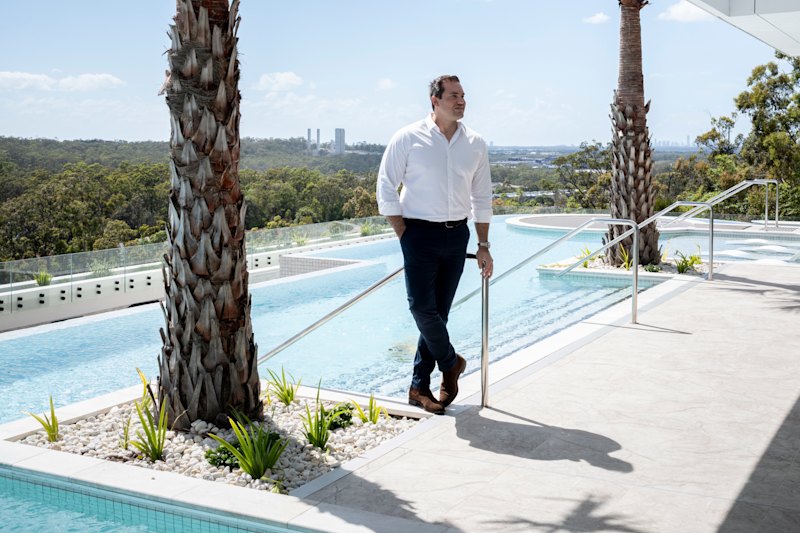
“Over the coming decade, I see this sector, from a listed perspective, consolidating, where we may have three major operators with significant size and scale that capital will look to flock to,” he said in an interview.
“Consolidation is certainly on the cards. There is a greater understanding, within operator land, that consolidation needs to occur to enjoy scale and to get that market recognition and institutional recognition, for that matter.”
Consolidation is already under way. The land lease business pioneered in Australia by private operators – including Puljich’s own family – and a few listed ones, such as Ingenia Communities and Lifestyle Communities, has enjoyed an influx of capital as major players have seen the opportunity.
Stockland acquired the portfolio of Queensland-based Halcyon, rival Mirvac bought into the sector by acquiring a stake – with the option to take full control – of the business of Serenitas, the largest operator in WA.
In June, Puljich successfully listed GemLife, the fourth-biggest operator after Stockland, Ingenia and the local business of US company Hometown, with a $1.58 billion valuation. It has since risen 23 per cent to $1.94 billion.
In mid-December, the company acquired its 33rd site when it acquired a 32.5-hectare property in Townsville’s Mount Low, for $21 million. It has scope for 500 homes and resort facilities.
Land lease is a business in which customers, usually downsizers, sell a property they own outright and buy a new home in a community – but not the land on which it sits – and pay rent for the land, often subsidised by Commonwealth Rent Assistance.
While Australia’s chronic undersupply of housing creates opportunities for capital and investors in development and real estate, the generational change taking place as Baby Boomers retire is making the sector – sometimes also known as manufactured housing estates – a key growth area.
“We believe land lease operators are the best way to play the current residential cycle with strong underlying demand for the product, low market penetration and good exposure to the best performing residential markets in Queensland and WA,” JP Morgan analysts Richard Jones and Adam West wrote in a research note last month.
Other market observers expect consolidation.
“We expect to see existing land lease community groups continue to accumulate sites and grow their pipeline through 2026 and beyond,” said Luke Chadwick, a director of consultancy Chadwick Property Valuers.
“Further, there may be opportunities for either consolidation or new major capital looking for exposure to the Australian market.”
Lincoln Place, a private land lease operator founded in 2019 by former Mirvac chief executive Nick Collishaw and Ben Hindmarsh, with 24 communities across NSW, Victoria, Queensland and ACT, has hired Goldman Sachs to weigh up options including a possible ASX listing, the Financial Review’s Street Talk column reported in September.
GemLife’s Puljich said the market had decades of growth ahead.
“We talk about Boomers, but we also talk about the Zoomers, which are the kids of the Boomers,” he said.
“They are yet to come through. So when you look at what’s ahead of us, and the lack of land supply, the lack of housing, purpose-built housing – which is what seniors communities are – that provides a huge opportunity.”
GemLife, in which local fund manager Firetrail Investments and Canada Pension Plan Investment Board took sizeable stakes in the June IPO, was also fielding calls from other institutional investors, Puljich said.
“We’ve got a couple of pension funds, a couple of groups out of the US now that have joined the register, and our understanding is there are some big funds out of Asia that have now seen the performance of the group over this last six-year period, and are anticipating our full-year results before they jump in,” he said.
“We anticipate to be an ASX 300 company in the March intake.”
And the move to become a listed company was to ensure it could emerge as one of the largest players in a consolidating industry, Puljich said.
“GemLife has aggressive, aspirational growth ambitions, no doubt about it,” he said.
“We’ve entered the listed market for the purposes of continuing our expansionist plans, whilst also ensuring that we can deliver quality and capital growth to the customer.”