Institutional investors have increasing appetite for Sydney's industrial property: Frasers
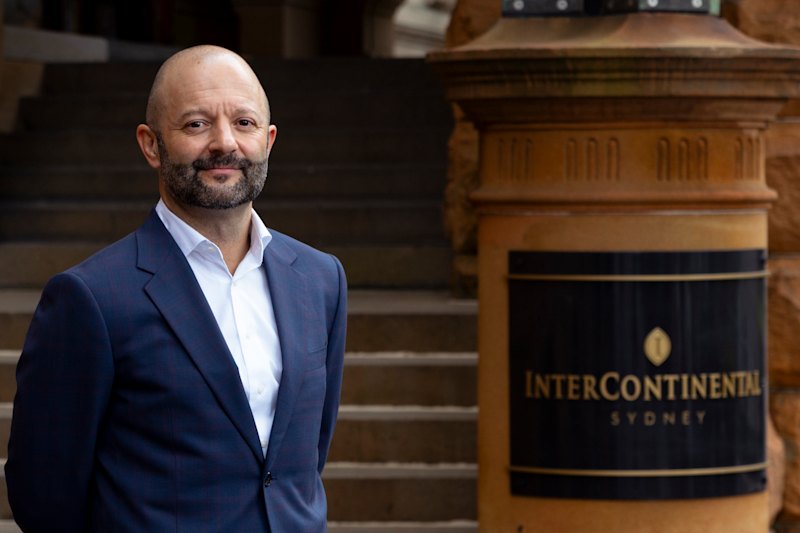
Industrial space has long been the unloved orphan of the property sector, believes Frasers Property Australia chief executive Rod Fehring. But that’s now beginning to change, with a new appetite, and fondness, for industrial assets among institutional investors.
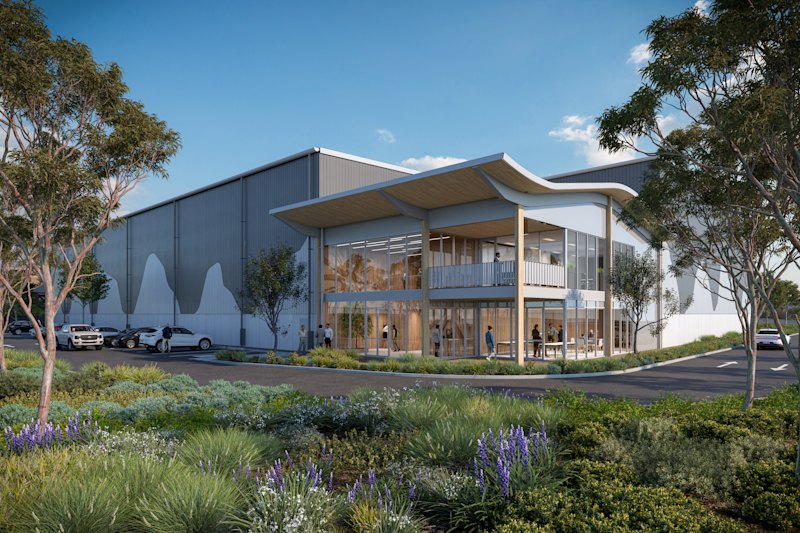
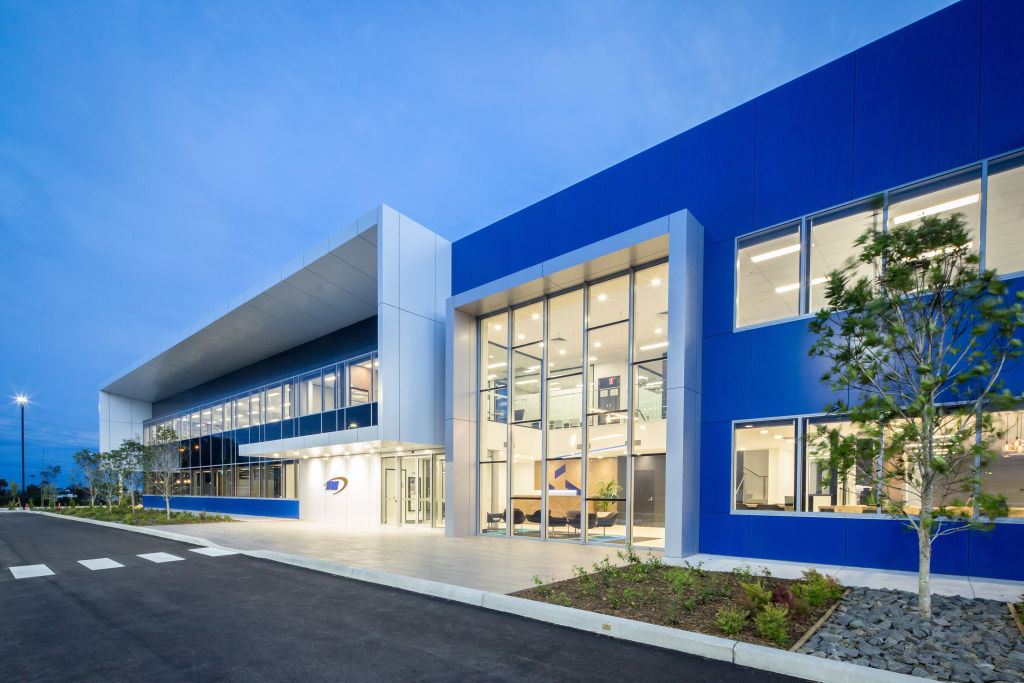
“It’s about lower outgoings and now better planned industrial buildings,” said Mr Fehring, whose company has just developed one of the country’s first six-star Green Star industrial properties, the $30 million Martin Brower facility at Horsley Drive Business Park, in western Sydney.
“We’re now attracting tenants out of older 25 to 30-year-old warehouses and factories, and into new Green Star-rated buildings which operate so much more efficiently, with tenants finding a 40 per cent reduction in outgoings.”
They’re also looking for the best rents around and, with land values rising and developers competing for the limited land stock available, especially with so much residential expansion in south and western Sydney, that can be tricky.
There have been strong increases in land values in most industrial areas of Sydney over the past 12 months, according to Savills Australia’s latest National Industrial Quarter Time Report.
In south Sydney land is now $1150 a square metre (up 9.5 per cent), on the north shore it’s $725 (up 11.5 per cent), in the central western suburbs $713 (up 5.6 per cent), in the north west $575 (up 15 per cent), in both the south west and west $538 (up 2.4 per cent), and the outer south west recorded no change over the year, at $500.

These values have a strong influence on rents, but there can be an appreciable time lag. The current net face rents for industrial prime warehouses, for example, differs hugely from area to area. The average for outer south-west Sydney is the lowest, at $110 a square metre, up 4.8 per cent in the past 12 months. Closer to the centre in the south west, that figure is $115 a square metre, up 2.2 per cent.
In the north west, it’s $118, up 6.8 per cent, and the same in the west, after a smaller rise of 2.2 per cent. The next lowest is Sydney’s central west at $135, with no change over the past year, and the most expensive is $163 on the north shore and $170 in south Sydney.
“But I do think south Sydney offers the best deal in terms of rents and potential growth because of its proximity to the airport and docks,” said Shrabastee Mallik, Savills’ associate director capital strategy.
“Population growth is a huge driver for all property sectors but it also means roads are more congested.
“As a result, logistics costs are lower if you’re close to the airport or shipping docks. In addition, residential development isn’t as attractive in many of those areas because of its industrial nature and plane noise.”
 The loading dock at the Martin Brower facility at Horsley Drive Business Park.
Technological and robotics advances were also helping with costs too, enabling multi-level warehouses and factories to make the most of land, Ms Mallik said. “And the south west and west still do offer incredible potential too.”
There’s also a swathe of land between Sydney’s outer-west and inner-west that has caught the eye of Matt Lee, head of industrial NSW at Knight Frank. The outer west will continue to be very attractive to high-profile tenants because of all the infrastructure development, while the inner-west doesn’t have enough free land.
“But slotted between are areas like Erskine Park and Eastern Creek, which are functional locations where rents haven’t changed much,” he said. “I wouldn’t call them bargains, but they are good value for money.
“In the south west, the Liverpool corridor, the challenge is that you’re starting to see some rental growth in the suburbs closer to the city while rents are a little bit less aggressive in the outer south suburbs, but accessibility is a factor there. We haven’t seen the astronomical rental growth that we’ve seen in residential and commercial, but everyone is predicting rent growth next for industrial.”
The major movement so far, however, had been the marked reduction in incentives. Once, tenants would nearly always receive one month rent-free per lease, said Niemeyer Commercial Industrial Property Sydney west manager Paul James.
“Now that’s been cut back to one month every two to three years and people aren’t moving off their face rents at the moment,” he said.
“Usually incentives going off is the first thing that happens.”
Over the 12 months to March 2018 there were $700 million worth of industrial sales in Sydney, according to Savills, but that was dwarfed, for the first time on record by Melbourne’s $1.2 billion.
Houssam Yakzan, senior analyst research and consultancy with Savills, said a lot of industrial development was now moving out of Sydney.
“A lack of available land in Sydney for industrial developments is also evident, with notable residential redevelopments in the south Sydney and central west precincts impinging on where developers can build industrial assets,” he said.