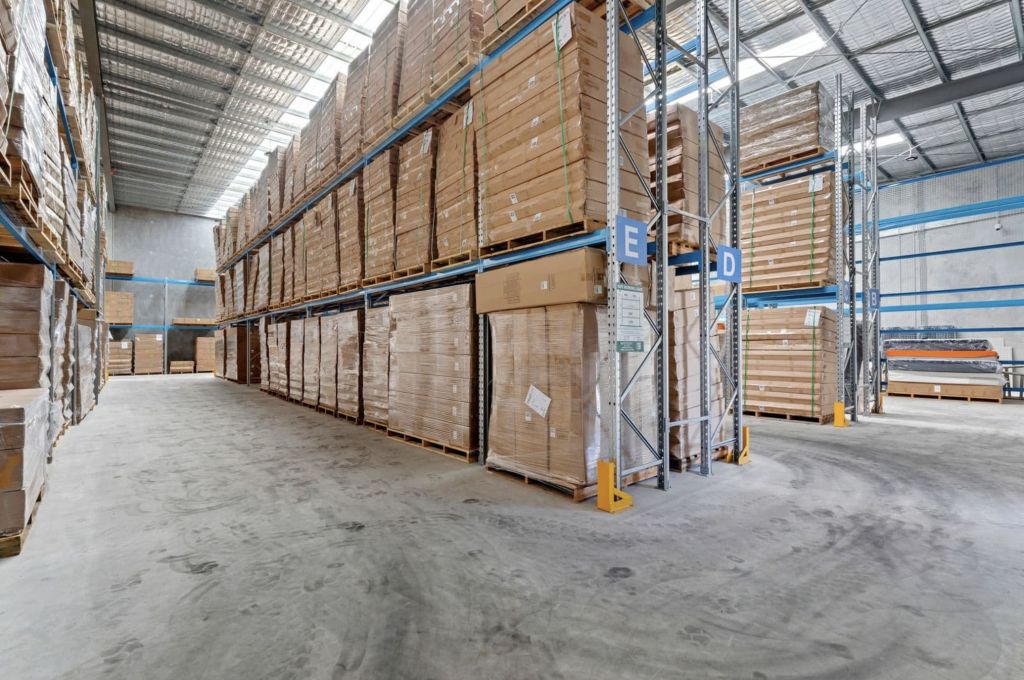
Industrial market set to tighten as development pipeline slows
Australia’s industrial property sector is entering a new phase of the cycle, with the development pipeline beginning to ease while tenant demand remains strong.
According to Cushman & Wakefield’s Australian Outlook 2026 report, national industrial vacancy is forecast to peak at just under 4 per cent in early to mid-2026 as recently completed projects enter the market. However, with development activity expected to slow due to rising construction costs and more challenging development processes, vacancy is forecast to tighten again, falling closer to 2.5 per cent by the end of 2027 as new supply is absorbed.
Demand expected to underpin rental growth
Cushman & Wakefield forecasts prime industrial rents will continue to rise over the next two years, supported by structural demand from logistics operators, ongoing supply chain reconfiguration and population growth across Australia’s major cities.
Knight Frank’s Australian Horizon 2026 outlook similarly highlights a growing divergence between industrial markets and precincts as the development cycle evolves.
Knight Frank Partner and National Head of Industrial Logistics James Templeton said vacancy was increasingly becoming concentrated in areas that have experienced significant development activity.
“There has been, and will continue to be, significant divergence between cities and precincts as vacancy becomes more concentrated in emerging areas with high development,” Templeton said.
“Established precincts with lower construction and vacancy have far more robust rental growth expectations than those that have seen a construction overshoot.”
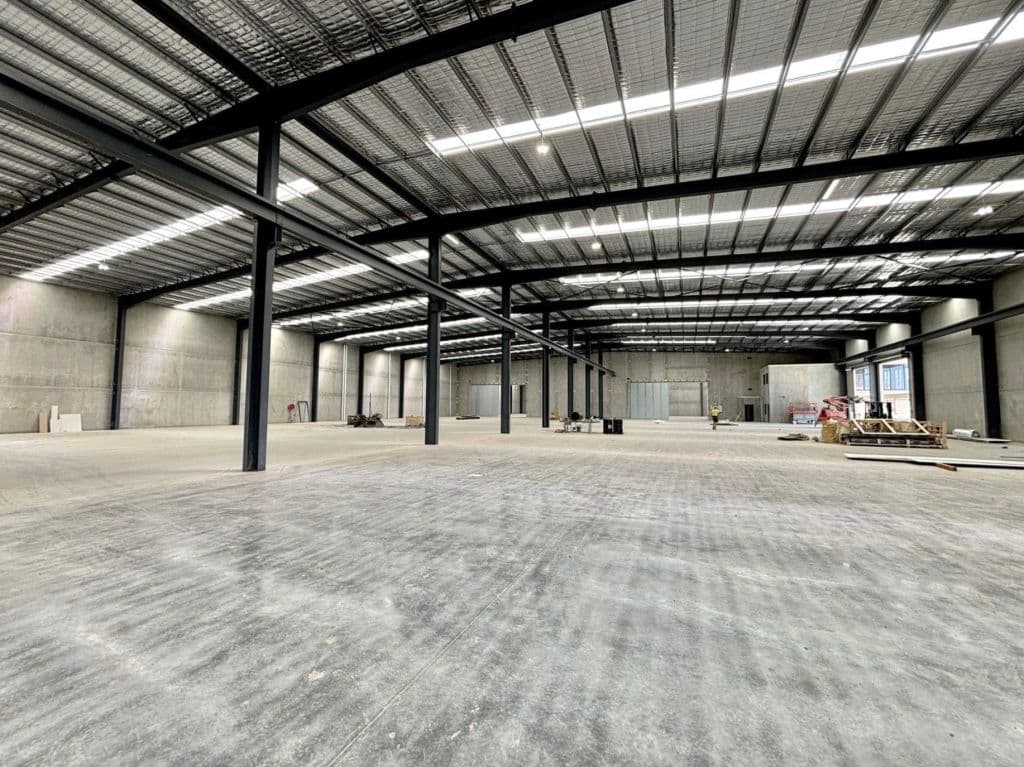
Brisbane tipped to lead rental growth
Knight Frank identifies Brisbane trade coast, north-west Melbourne and north Adelaide as some of the key industrial hotspots expected to attract strong occupier and investor interest in 2026.
Among the major capital cities, Brisbane is forecast to record the strongest rental growth over the next four years, with prime industrial face rents projected to increase by around 5.4 per cent annually, ahead of Melbourne at 4.4 per cent and Sydney at 4.3 per cent.
Within Victoria, Melbourne remains the country’s largest industrial market and a key indicator of national trends. Knight Frank’s Melbourne Industrial State of the Market Q4 2025 report found that vacancy has risen slightly from the historic lows recorded earlier in the decade, to around 3.3 per cent as newly completed developments have entered the market.
While the increase reflects the recent development cycle, leasing demand across Melbourne’s major industrial corridors remains strong, with occupiers continuing to compete for well-located logistics facilities close to major transport infrastructure and population centres.
Sunshine Coast asset highlights growth corridors
For investors, the evolving market conditions are also reinforcing the appeal of modern industrial assets located within growth corridors where long-term tenant demand is supported by infrastructure investment and expanding population catchments.
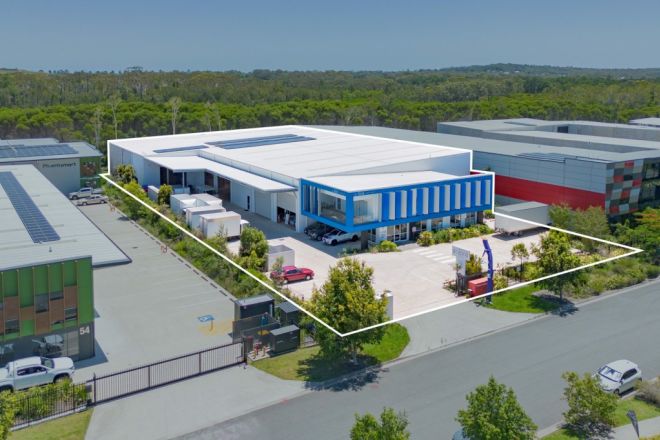
One such opportunity currently on the market is 52 Edison Crescent in Baringa on Queensland’s Sunshine Coast.
Located within the Aura Business Park precinct, the modern industrial facility sits in one of Australia’s largest masterplanned communities, where significant population growth and infrastructure investment are driving demand for industrial and logistics space across the region.
Jack McCormack, associate director at CBRE Sunshine Coast, who represents the campaign, said quality industrial assets of this scale remain tightly held.
“Over the past 12 to 24 months, very few assets of this grade have come to market,” he said. “The industrial market remains very competitive, particularly for facilities larger than about 1000 square metres, where available options are few and far between.
“When we launched the campaign, we generated strong interest from both local and interstate investors, as well as smaller funds and syndicates looking for exposure to the sector.
McCormack said growth corridors such as the Sunshine Coast were attracting increasing attention from buyers, particularly as infrastructure investment across the region continues to accelerate, including The Wave, a multi-stage public transport network designed to connect the Sunshine Coast more efficiently with Brisbane and key regional hubs.