Industrial dominates as first-time buyers enter commercial property
First-time commercial property buyers are growing in number, but they’re not necessarily investing evenly across the market. Instead, one asset class is dominating.
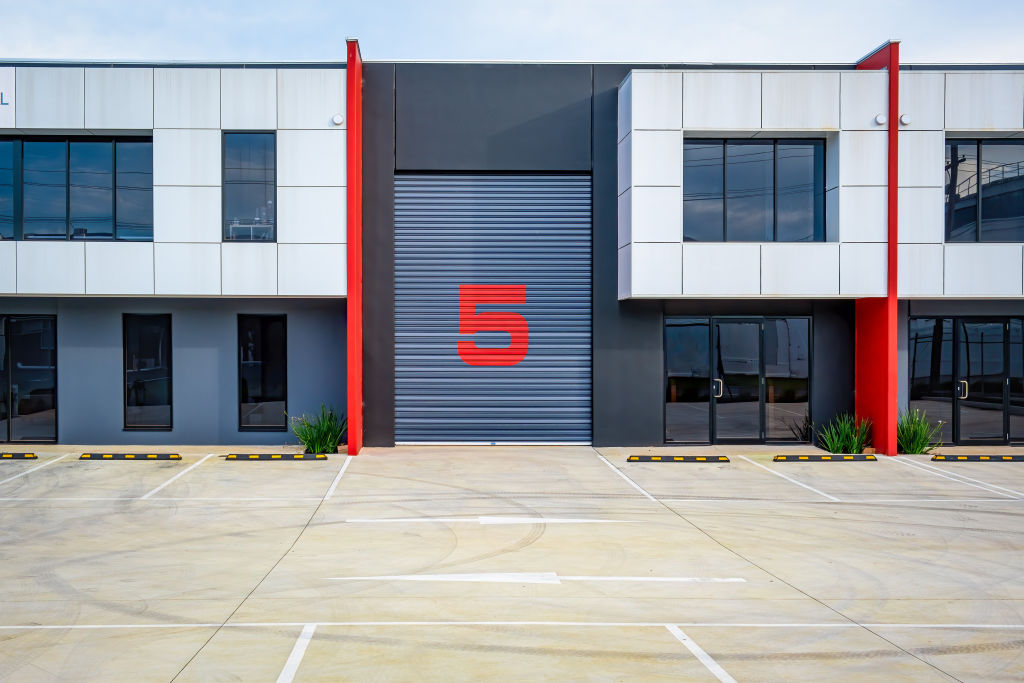
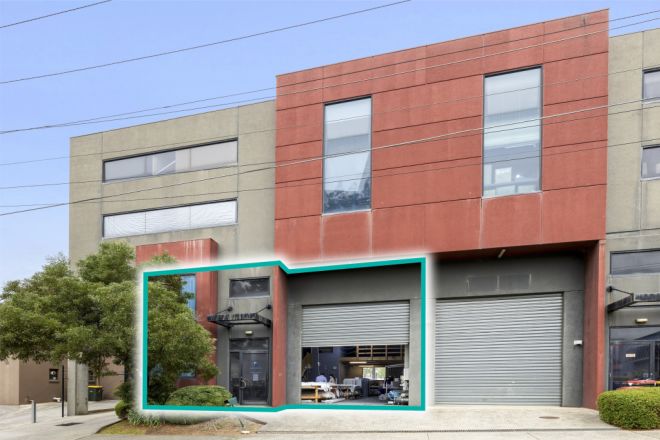
“The average everyday investor moving into commercial is overwhelmingly buying industrial – it’s not 50 per cent, it’s closer to 90 per cent looking at warehouses,” says David Easterbrook, managing director of Elite Buyers Agents, which represents both residential and commercial buyers.
Vanessa Rader, head of research at Ray White Commercial, backs up Easterbrook’s view, highlighting several reasons why the sector is proving popular.
“Industrial is the number-one choice at the moment,” she says. “Low vacancy ensures rents are somewhat secure, and limited land supply ensures oversupply does not occur.”
Rader says performance has been strong over the last 10 years, with several industry forecasts expecting continued growth. As noted in Cushman & Wakefield’s Australian Outlook 2026 report, for instance, vacancy across the industrial sector is expected to remain tight, sitting below 4 per cent before narrowing towards 2.5 per cent by the end of 2027 as limited new supply is absorbed.
Easterbrook notes that tenant stability is another part of the appeal.
“Once a business is in a warehouse, they don’t just move because the rent goes up – it’s their address, their staff, their operations,” he says. “That creates really strong tenant retention.”
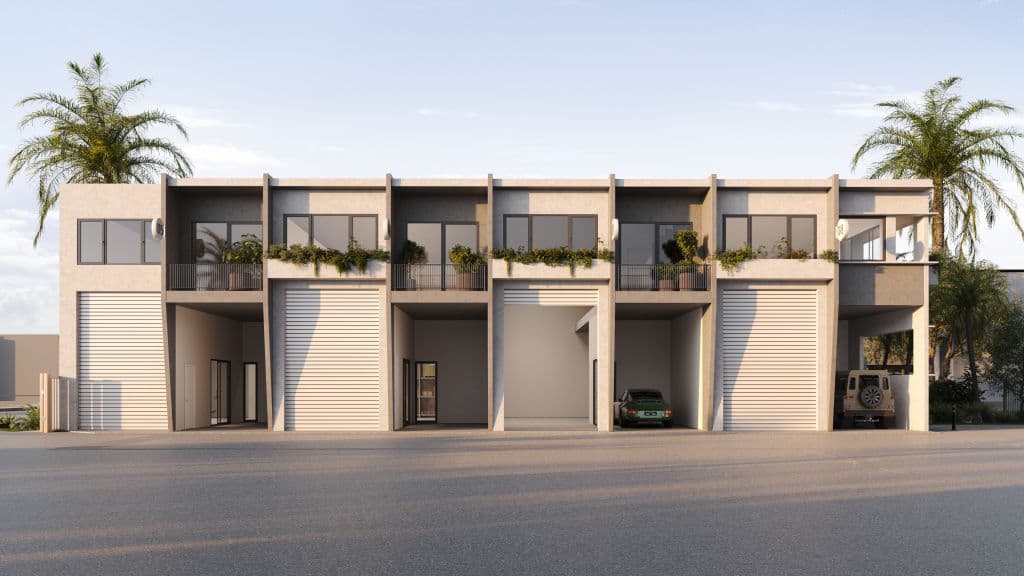
For many new entrants, industrial also offers a relatively straightforward entry into commercial property. Leasing structures are typically simpler, tenant demand is broad, there’s a range of price points, and assets are generally easier to understand, making it a natural first step.
However, Rader says other asset types are gaining traction among first-time investors looking for diversification.
“Neighbourhood retail and convenience-based centres are attracting interest due to relatively strong returns,” she says.
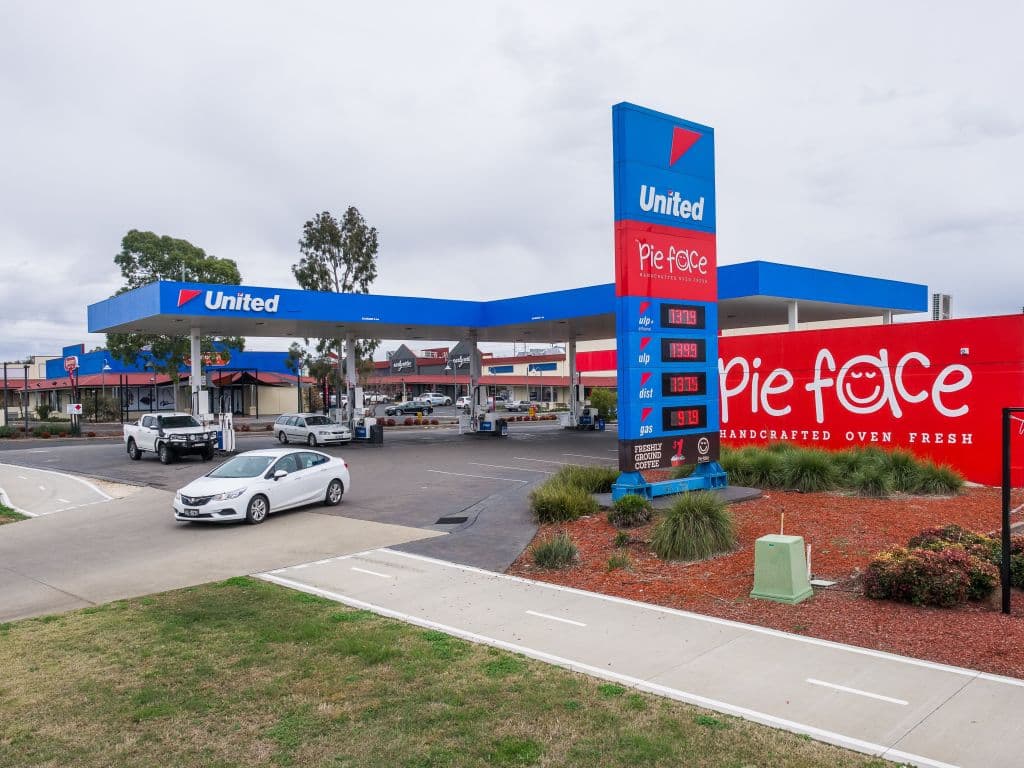
“Long-lease assets like childcare, service stations and fast food appeal to buyers seeking more passive, ‘set-and-forget’ investments.”
The profile of first-time buyers is shifting, too. Many are long-time residential investors, moving into commercial thanks to a combination of lower yields and rising holding costs.
“Once investors hit a limit with residential – whether it’s borrowing capacity or low yields – they almost get pushed towards commercial,” Easterbrook says.
“Land tax is a huge driver. People buy a couple of residential properties, cross the threshold and suddenly they’re paying tens of thousands a year – that’s what’s pushing them to look at commercial.”
Demand from individual and household investors is also on the rise, growing at around 6 per cent annually according to Mordor Intelligence. Some buyers are also entering the market as owner-occupiers, Rader says, purchasing premises for their own business as a way to gain exposure to commercial property.
For those looking to make the shift, Rader notes that commercial does come with a few trade-offs, namely more complex leasing structures, higher vacancy risk and more challenging financing conditions. Compared to residential, it’s traditionally seen as a riskier venture due to greater income volatility and longer lease terms.
“Returns on offer are far greater for commercial property; however, this is representative of the increased risk,” she adds.
Easterbrook, however, says the risk profile is often misunderstood. He argues commercial property can offer a more stable, passive investment, underpinned by longer-term tenants and more predictable income.
“People think commercial properties take six months to lease or that you’re getting 8 or 9 per cent yields across the board – that’s just not the reality,” he says.
He adds that first-time buyers are not looking to take on more risk, but are instead seeking safer, more passive investments.
Regardless, Rader says due diligence should focus more on the specifics of a property rather than generalising the sector alone.
“[Commercial property] is very location and asset specific, so proper due diligence is necessary,” she says.
Essential checks, no matter the asset type, include lease structure, tenant covenant strength and local demand drivers.
Easterbrook says buyers also need the right budget before jumping into commercial, estimating that most first-time investors are securing “meaningful” assets for around $2 million to $2.5 million.
His advice to today’s new entrants is simple: “If you don’t have the right budget to buy the right-sized asset, it’s just not the right time.”