How Australia’s $194b wellness habit is redefining the property market
Many of us have experienced the tedium of a solitary hour on the treadmill. But these days, gyms are the ultimate third place – a community hub where wellness and connection collide.
The latest report from the Health & Fitness Association found 75 per cent of gym-goers actively preferred group classes and social workout experiences.
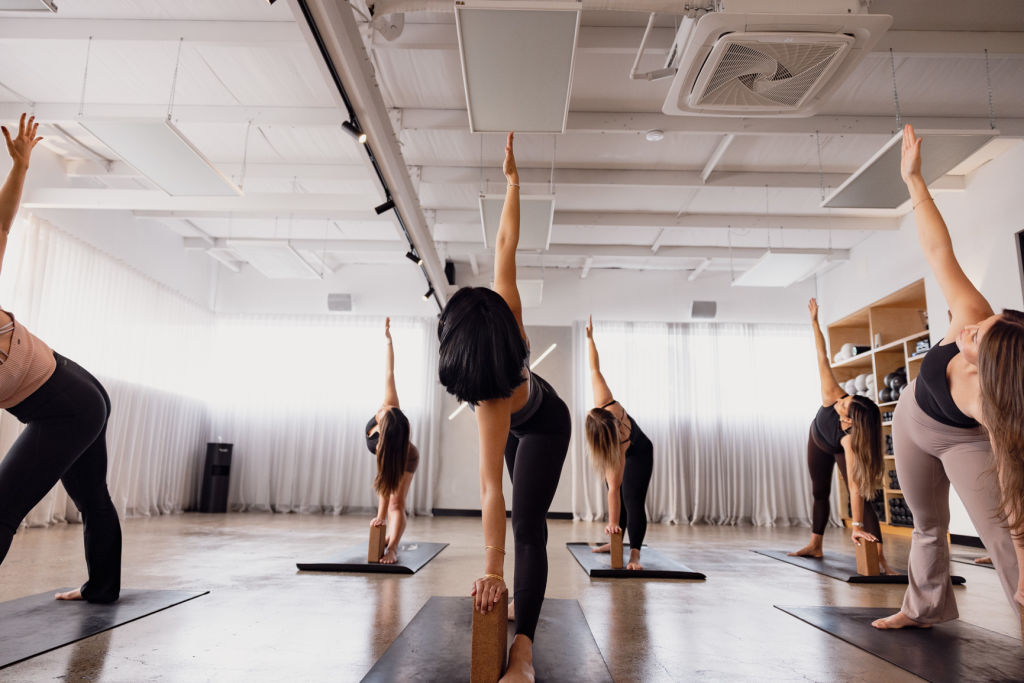
In this new wellness era, young people are trading the pub for the pilates studio, expanding their social circles at the gym and celebrating milestones at day spas.
As a result, the value of Australia’s wellness market and the associated real estate is surging.
Australia’s wellness market has reached a valuation of $194.4 billion. It contributes 7.5 per cent of the nation’s GDP and ranks 10th worldwide for wellness expenditure, according to the inaugural Global Wellness Institute (GWI) regional report released in August last year.
Further, the value of the country’s wellness real estate sector increased by 13.9 per cent post-pandemic to $36.12 billion in 2023.

Anytime Fitness, which has close to 600 clubs across Australia and a membership base of 720,000, partnered with GWI to produce the report.
Managing director Simon Thompson says that, with Australia now ranked 10th globally and fourth in the Asia Pacific region, despite a comparatively small population, the report highlights the nation’s growing investment in healthier lifestyles.
“Our ambition is to be the most welcoming and inclusive gym network in the country, ground in a belief that wellness is multidimensional, encompassing physical, mental, emotional and social wellbeing,” he says.
It’s not surprising that the wellness sector grew significantly after the COVID lockdowns. Many of us emerged with renewed gratitude, even a hunger, for connection, and the data confirms this. The sector had an annual growth rate of 7.5 per cent between 2019 and 2023, but surged by 10.9 per cent between 2022 and 2023.
Property industry and business experts say the catalyst for much of the recent expansion is the generational pivot toward “collective wellness”.
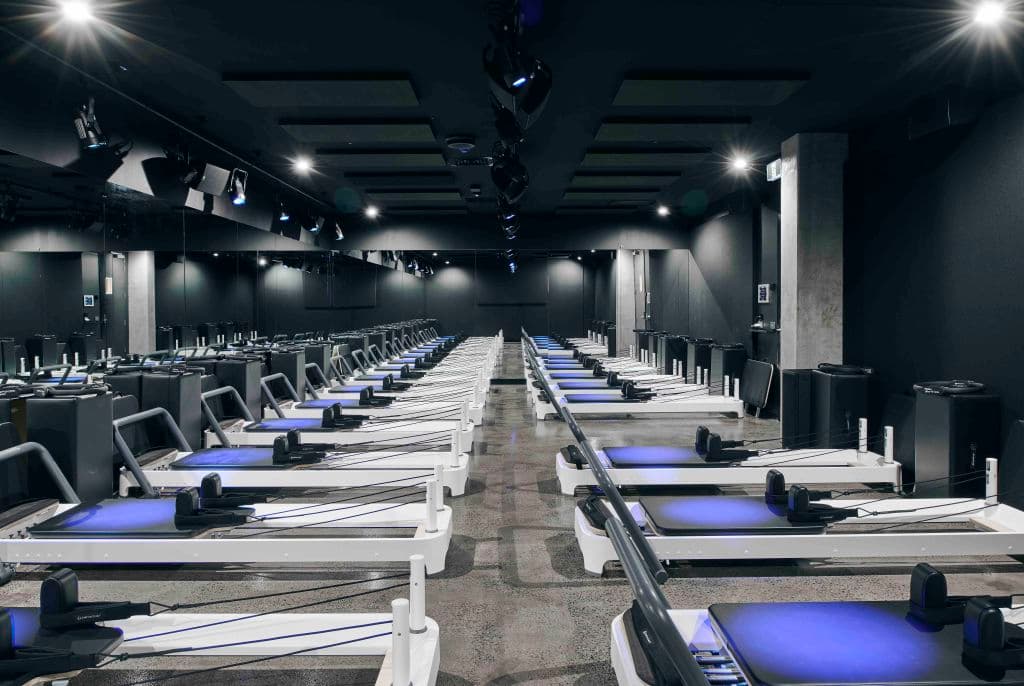
John Kasapi, a broker specialising in hair, beauty and wellness salons, has sold 700 of these businesses in the last 15 years and has witnessed rising demand from investors and would-be owner-operators who see the opportunity in the growing wellness sector.
“With hair and beauty it used to be, ‘Oh I can wait another week or two for a facial or a haircut,’ but the whole wellness trend and looking after your body with treatments like ice bath and saunas is seeing people put that time into themselves as a priority and factoring the cost into their budget,” he says.
“There’s way more men doing it – the health kick is a big thing these days. Instead of spending a night out for dinner and drinks, or having a few beers at the weekend, the youngsters are spending their money on wellness activities.”
Kasapi says the demand for beauty and wellness businesses is not city-centric. He has just sold an Endota Spa business in Byron Bay and has another two – one in Bendigo and the other in Gladstone – on the market for $100,000 each.
The broker believes the key to increasing the profitability of regional franchises is a local operator who is active in the community and can attract and expand their customer base with skilled local staff.
Founded in 2000, Endota Spa’s business model offers company-owned sites and franchises. Over the last 25 years, under the management of chief executive and founder Melanie Gleeson, it has transitioned from a traditional day spa into a multifaceted wellness brand. According to recent IBISWorld data, the group has two million clients, generated approximately $92.8 million in revenue in 2024 and has maintained its position as the dominant franchise in the Australian day spa category.
Gleeson, an early adopter of the social wellness trend, introduced shared treatment services for couples and friends early on and recently announced workplace wellness as a core business pillar, positioning wellness as a workplace ethos rather than a luxury perk. The move will see the business introduce wellness activations at workplace events.
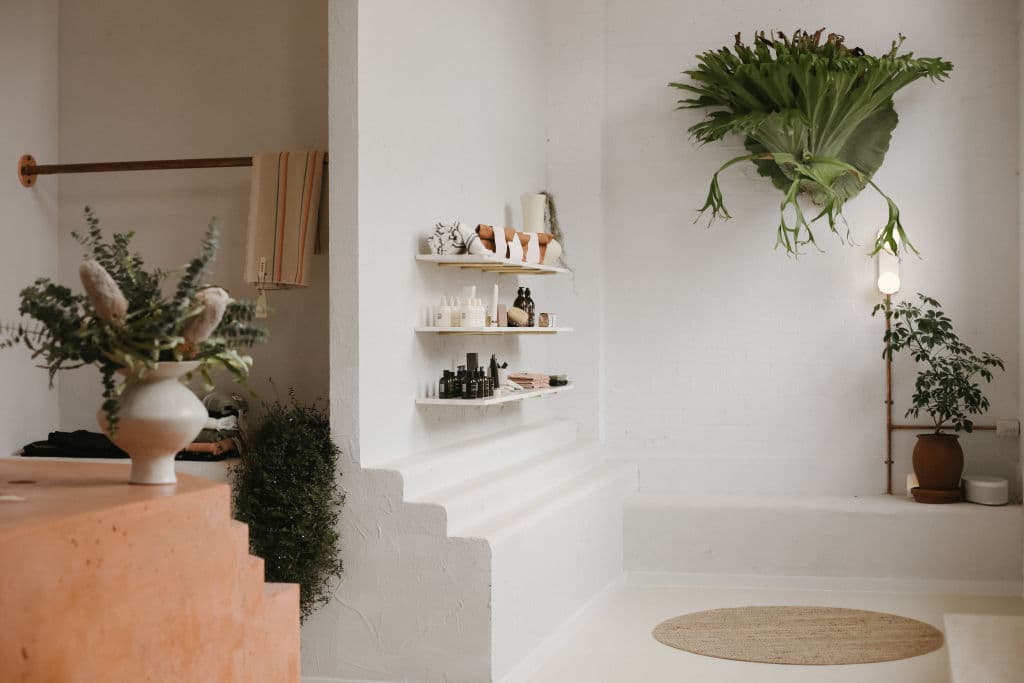
In Yallingup in Western Australia, Hayley and Scott Lane have operated the wellness retreat Premalaya since 2017. Set on two hectares, the retreat provides accommodation, group retreats, creative workshops, and therapeutic treatments, including ice bath immersion, meditation, massages, and Ayurveda, a traditional Indian medical system focused on balancing the mind, body, and spirit.
Lane says the couple, who live on-site, have seen an increase in the number of people motivated to visit the property by wellness issues, not just tourism.
“At the moment, I’ve got a guy here and his wife for seven days doing what we call a panchakarma, which is a Vedic detox yoga retreat,” she says. “And we’re the only ones who do it outside of India and Bali.
“And then at the same time, most weekends, we’re filled with groups of women coming and doing a bit of yoga, enjoying the sauna and the ice baths and having some massages, and many of our guests will also visit local wineries.”
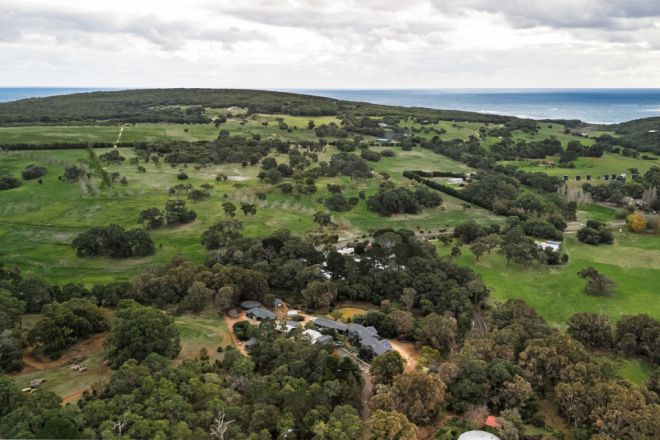
Premalaya, just 30 minutes from Margaret River, is on the market for $6.4 million. The Lanes hope a new owner, equally committed to the wellness philosophy, will build on what they have created.
“Being of service to humanity, improving people’s health and wellbeing, that’s been our passion and purpose in life,” Hayley explains.
Wellness businesses for sale
City Cave in Sydney
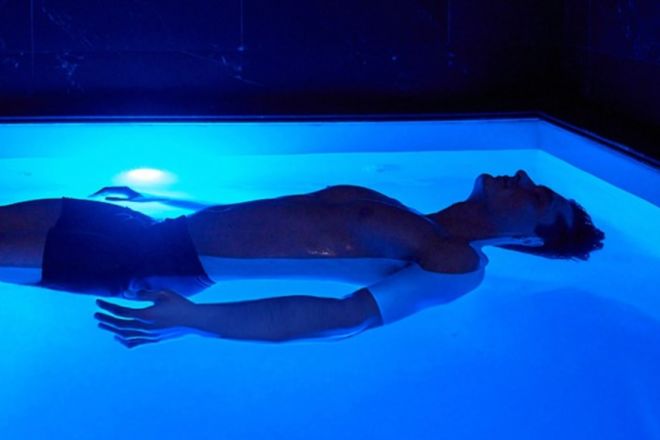
City Cave is a leading wellness franchise that offers float therapy, infrared sauna, remedial massage, and holistic recovery services in a purpose-built $340,000 facility.
This franchise is located in Greater Sydney and on the market for $550,000.
Selling agent Harley Stibbard, from Vision Brokers & Advisors, says the Australian wellness and recovery sector continues to accelerate, driven by increasing demand for stress reduction, mental health support, recovery and preventative health.
“The business has developed a strong and loyal client base over several years, supported by a high-value demographic, consistent repeat visitation and growing membership engagement,” he says.
The property has a long-term lease with rent of about $45,000 a year,
Children’s gym
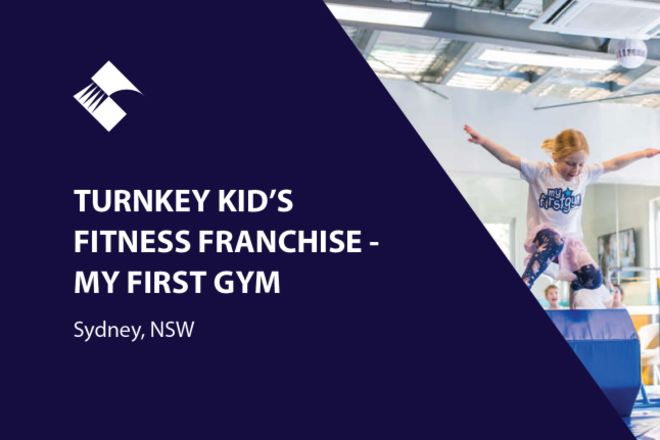
Imagine giving your child a fitness routine before they even start school.
Part of the My First Gym franchise network, this well-established, four-year-old club offers a space where children up to 15 years old can develop healthy fitness habits through structured classes and interactive programs.
The facility is 530 square metres and, according to selling broker Elliott Skeoch from BK Brokers, it requires no upgrades and features a strong team including a manager, assistant manager, head coach and other experienced coaches.
Classes include fitness, gymnastics, dance and martial arts. The franchise is for sale for $65,000.
Pedal-push smoothies

An event hire business with pedal-powered blenders has hit the market for $499,000.
The pop-up events business is primed to take advantage of the current focus on health and wellbeing. It provides pedal-powered blender bikes for guests to hop on and pedal to power the blender, creating fresh smoothies on the spot.
Brokerage Bonza Business and Franchise Sales states the business has a head office in Melbourne, additional facilities in Sydney and Brisbane and a professional website that supports ongoing enquiries.
The broker is promoting the business as a “scalable opportunity suited to an owner-operator, partnership, or investor seeking a professionally run business with strong foundations and clear pathways for growth”.