Heritage theme park Timbertown listing fires up investor excitement
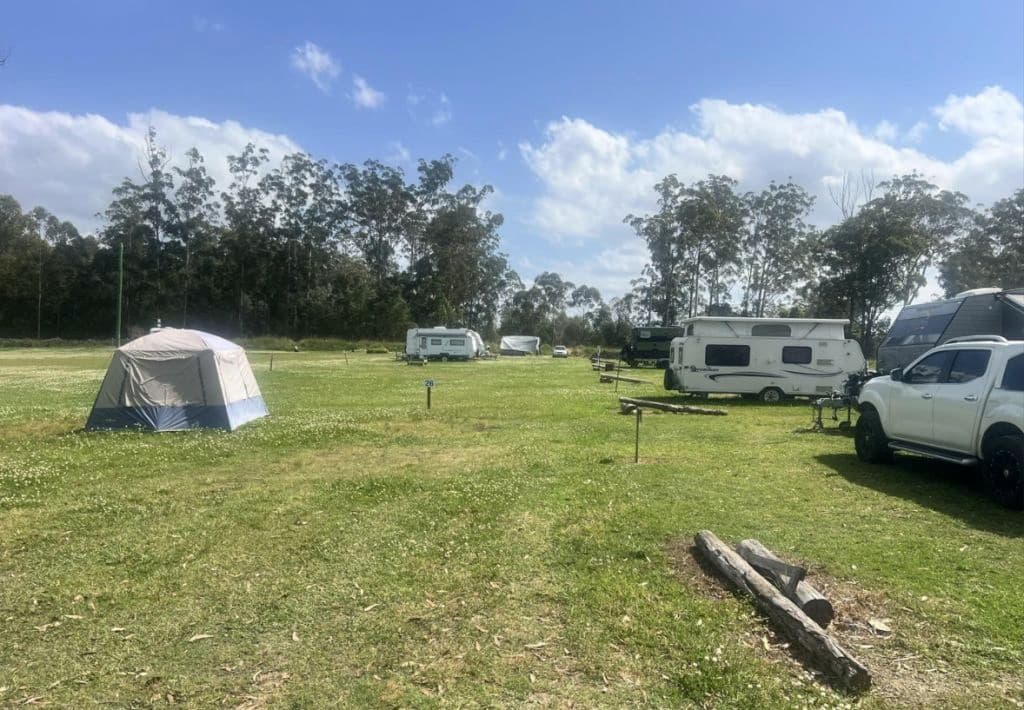
Timbertown, one of regional NSW’s longest-running and most recognisable heritage tourism attractions, has been listed for sale, offering investors a significant redevelopment opportunity, including a caravan park expansion in the heart of the Mid North Coast.
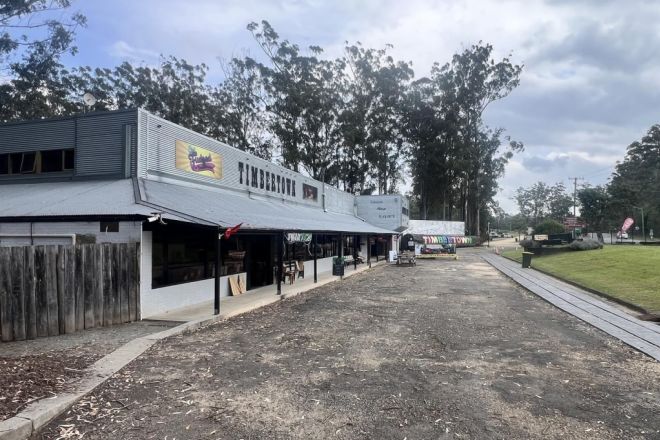
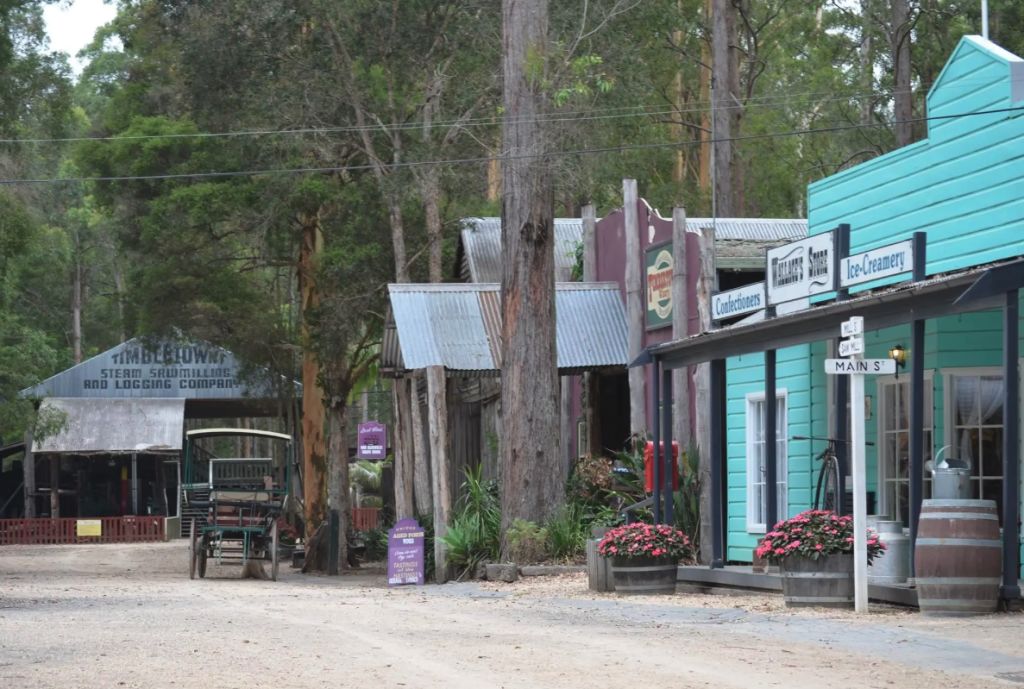
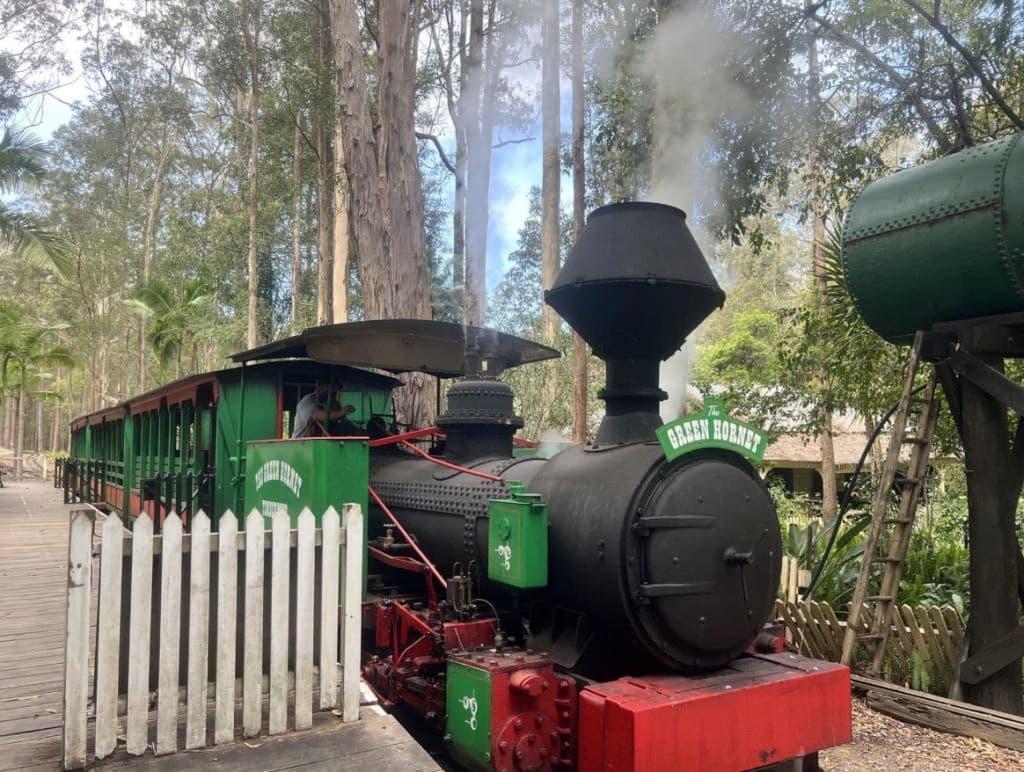
Set among tall coastal blackbutt forest at 2325 Oxley Highway in Wauchope – four hours north of Sydney – the 34.56-hectare pioneer-era township is animated by the hiss of steam engines, the ring of the blacksmith and the movement of horse-drawn carriages.
Often described as a smaller-scale counterpart to Victoria’s Sovereign Hill, Timbertown enters the market amid rising investor interest in experiential stays and nature-based tourism assets, a segment where large-scale, fully-zoned tourism sites are increasingly scarce.
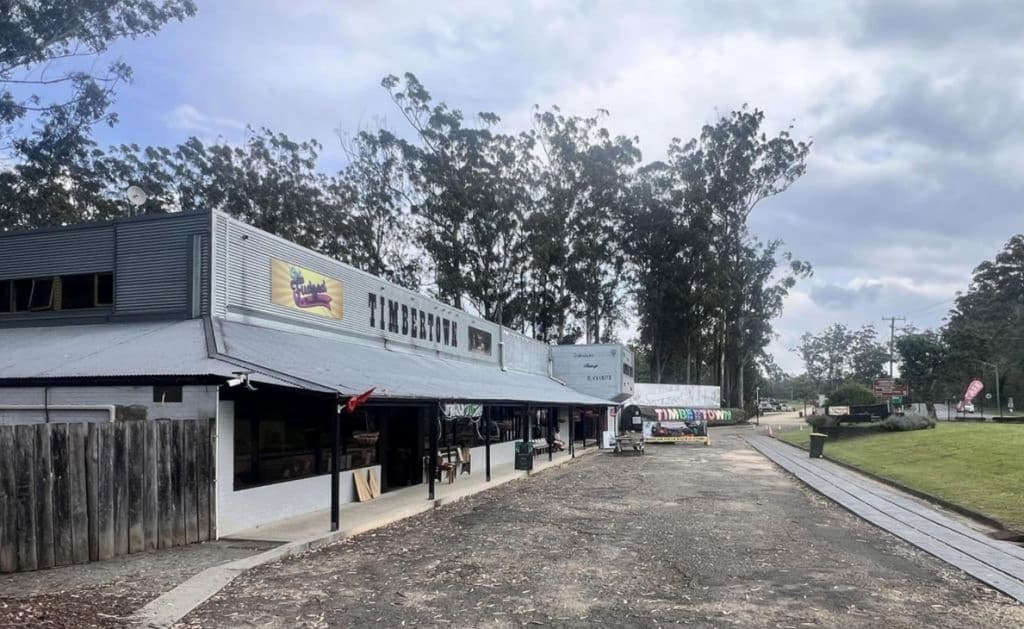
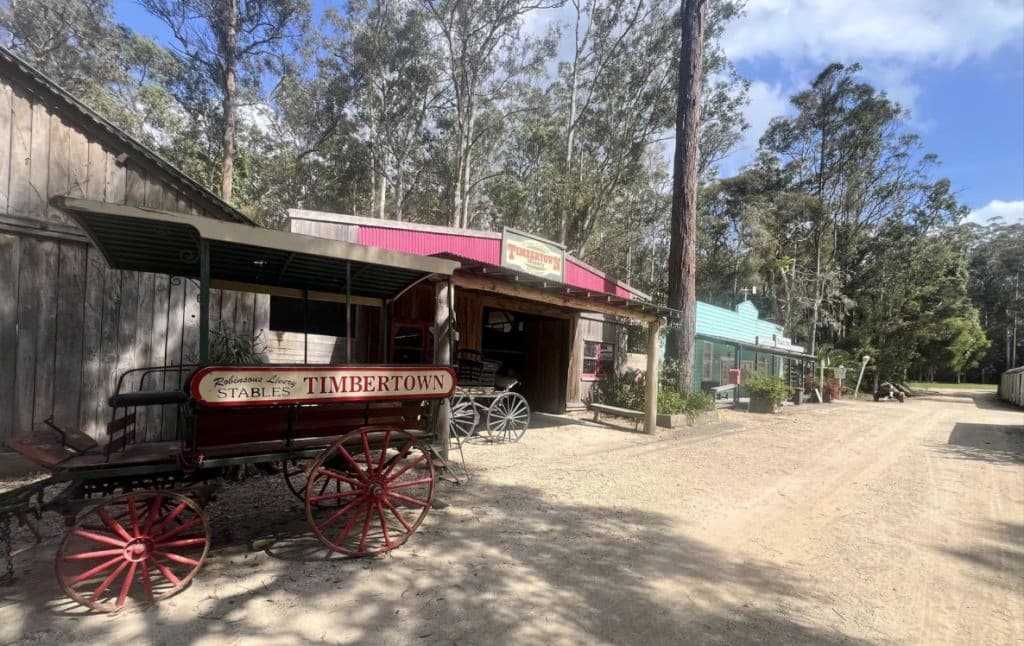
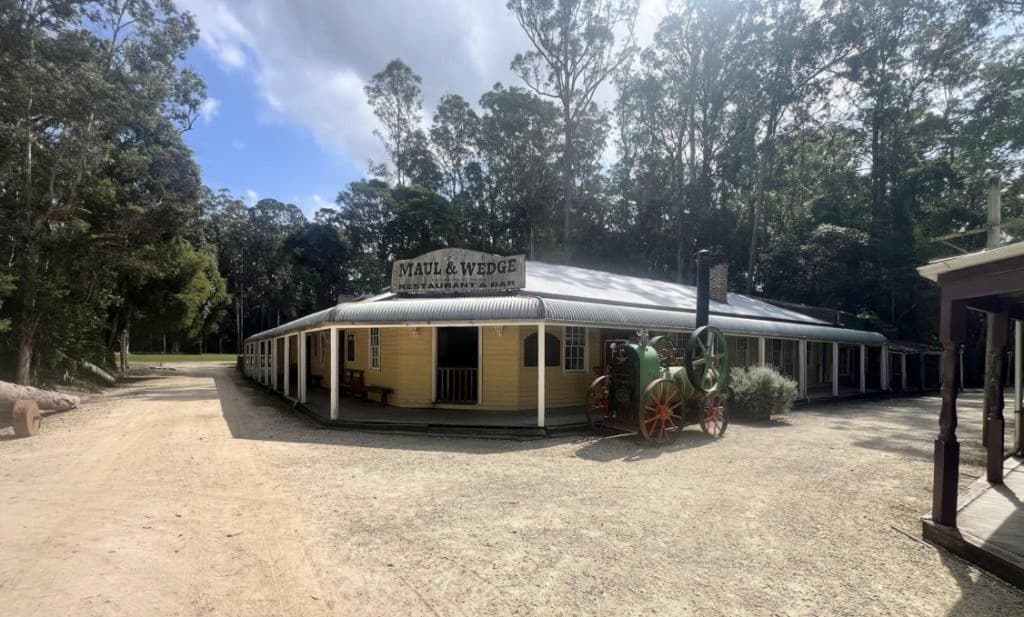
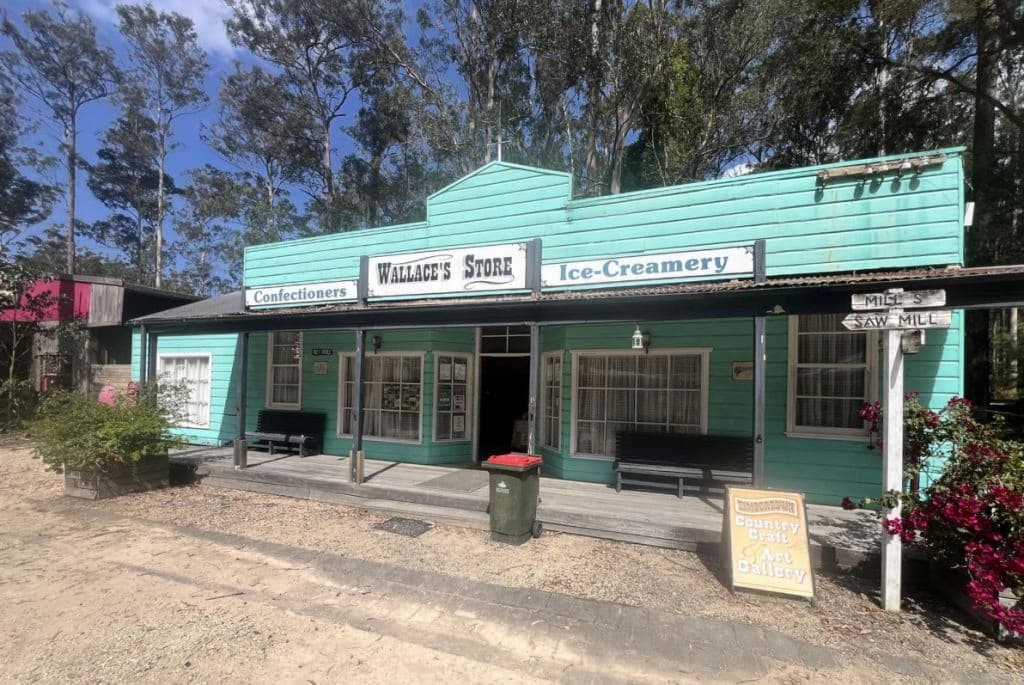
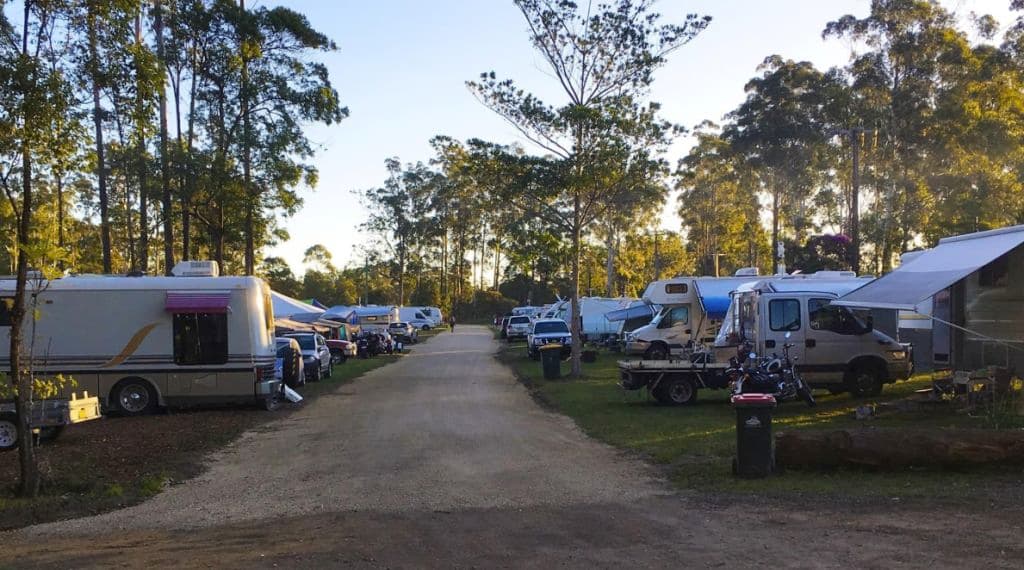
Established in the 1970s with a ceremonial opening in 1977, the attraction recreates “the senses, sights, sounds, smells and tastes” of the 1880-1910 timber era, featuring a steam railway, steam sawmill, colonial buildings, gold panning, miniature railway, craft demonstrations, campground, cafe and a lake with pedal boats.
Savills Sydney senior executive Selin Ince says early campaign engagement reflects both emotional affinity and commercial potential.
“So many people who have walked through the site, including agents, have wonderful and vivid memories of visiting Timbertown with their families as children,” she says.
“I remember visiting as a teenager too – the settlement and village creates such a sense of nostalgia.”
That nostalgia is translating into active buyer momentum, with 141 enquiries so far from local privates, high-net-worth individuals, developers and caravan park syndicates – all assessing the site’s scale and strategic potential.
Located on a key arterial route just west of Port Macquarie, the property sits within one of the state’s strongest regional growth corridors, supported by sustained demographic uplift, infrastructure investment and a buoyant visitor economy.
“It’s positioned in a high-growth region with strong tourism fundamentals and increasing visitor demand,” Ince adds.
Wauchope itself is emerging as a natural base for hinterland tourism, with the township investing in public amenities, master-planned recreational spaces and sustainable tourism initiatives, while local business groups and chambers of commerce work to attract new investment and support economic growth.
Timbertown’s SP3 Tourism zoning provides the flexibility required to respond to that momentum.
Ince says the site is “suitable for a wide range of tourism and leisure developments”, including eco-cabins, food and beverage concepts, event spaces and reimagined attractions.
A development application proposing 10 cabins and new amenities on 2.9 hectares of unused land offers a near-term uplift pathway for short-stay accommodation and aligns with the expanding domestic tourism market.
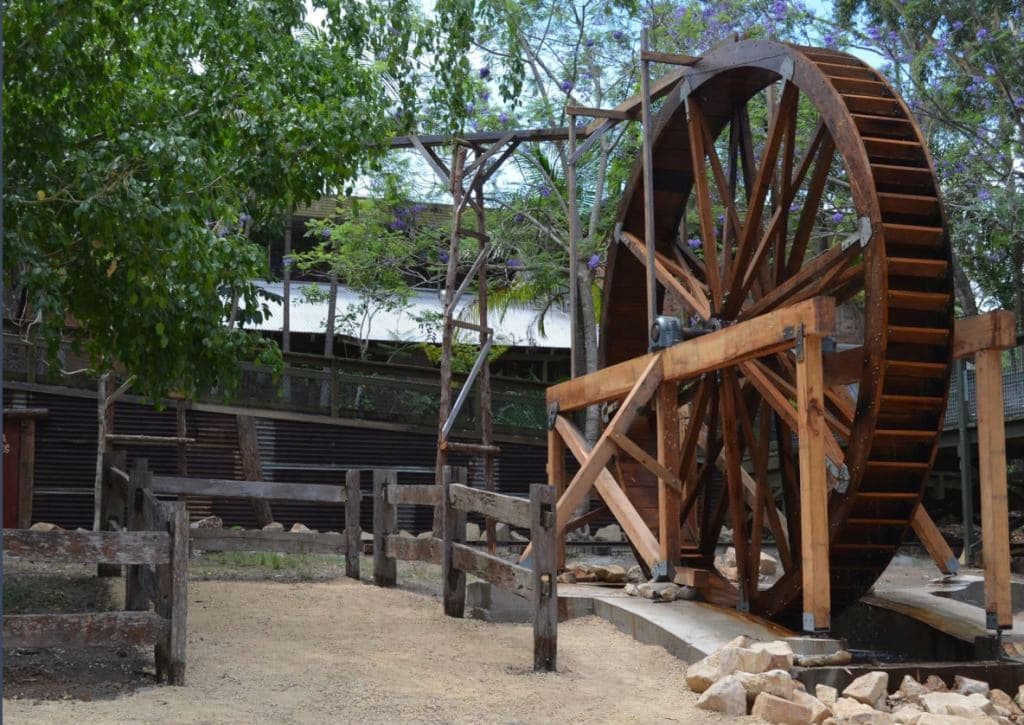
In addition to the lake, a stream known historically as the “big log water hole” runs through the property. It was once a critical rest point for bullock teams en route to Port Macquarie and is now a natural feature that could be leveraged in future master planning.
Flexibility in acquisition structure is another driver of buyer depth, with the potential to be acquired either as a single holding or in separate allotments (STCA).
“The vendors are open to working collaboratively with the incoming purchaser, making it suitable for both institutional and private investors,” Ince says.
The sale is prompted by the vendors’ upcoming retirement after 15 years of ownership, opening the door for the next phase of Timbertown’s evolution.
“With thoughtful capital investment, the site’s historical charm can be revitalised, enhancing its appeal to both domestic and international visitors,” Ince says.
“There is scope to reconfigure existing buildings and attractions, unlocking further value and aligning the asset with evolving market expectations.”
Savills also highlights the site’s deeper historical importance.
Marketing materials note that the concept for Timbertown originated in a 1970 planning report, construction commenced in 1973, and the park held its official public opening in 1976, followed by a ceremonial opening the following year.
“During the 1800s, while much of Australia was swept up in the gold rush, Wauchope and its surrounds found prosperity through the timber industry, particularly the harvesting of red cedar,” the material reads.
“This legacy gave rise to numerous timber towns along the east coast, with Timbertown conceived as a tribute to that era.”
“Over the decades, Timbertown has evolved, with two original church buildings preserved and additional structures built to reflect historical designs. Today, the park sits among towering tallow-woods and blackbutts, as red cedar has become increasingly rare, adding ecological and aesthetic value to the site.”