Hardware giant Bunnings’ flat-pack pod homes and offices go mainstream
In a striking pivot for Australia’s largest hardware retailer, Bunnings has entered the modular housing and home office world, selling flat-pack tiny homes in partnership with Melbourne startup Elsewhere Pods.
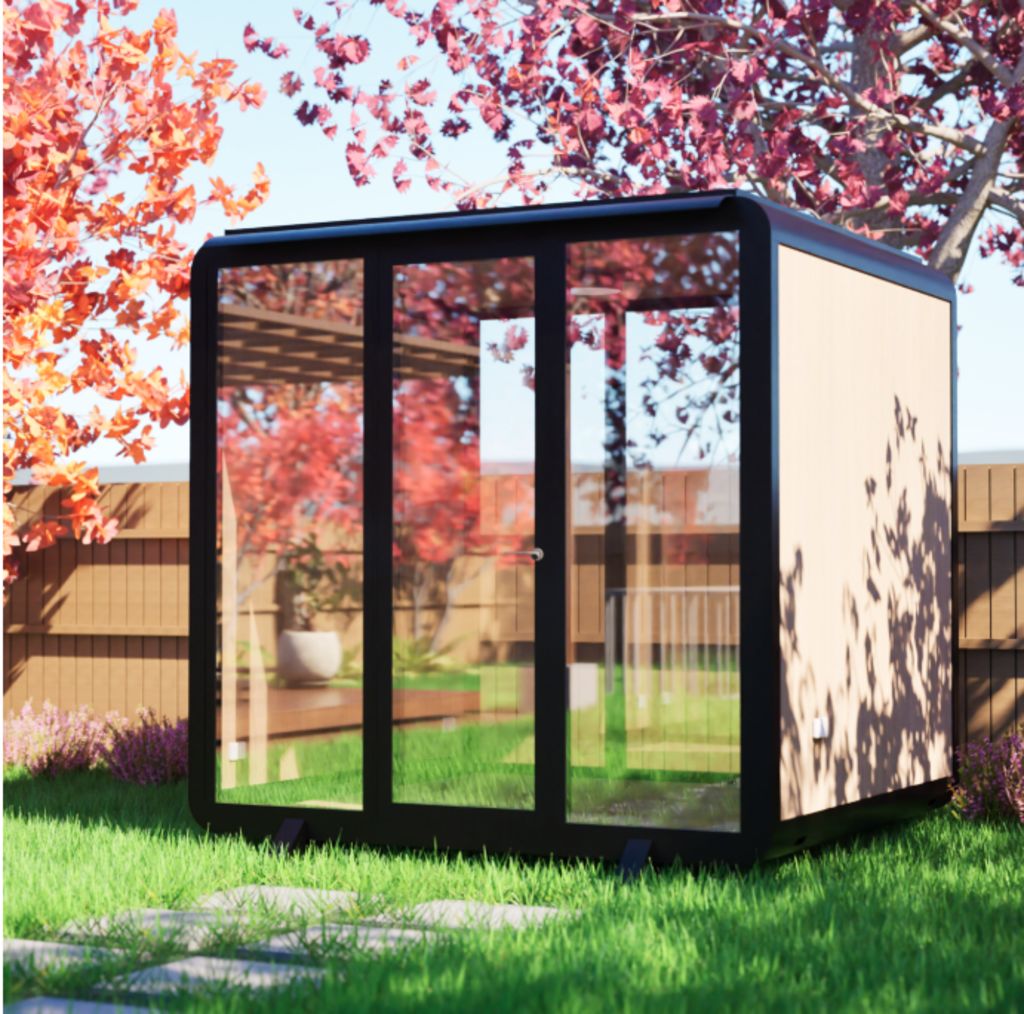
The prefabricated pod dwellings – designed for assembly in as little as two days – are now available in-store and online, priced from about $26,100 for a compact unit to roughly $42,900 for a larger studio, with features including double glazing and high soundproofing performance, with free delivery.
As affordability pressures continue to mount for small businesses with another interest rate hike paired with the nation’s housing shortage, the pods don’t require heavy machinery to build, and are being targeted at DIY-savvy buyers.
They are pitched as affordable backyard home offices, outdoor workspaces, meditation rooms, or crisis or teen accommodation, and the larger pods are gaining traction in the short-stay and eco-tourism markets.
The Bunnings range is designed to bypass the cost and timelines of conventional construction – a compelling proposition as Australia’s average home price hovers around $1.28 million. It’s also a practical solution as development in Sydney’s office market looks set to dry up in just two years, with the pipeline of new building supply halting due to rising construction and labour costs.
Bunnings’ move highlights the accelerating commercialisation of modular and prefab building products amid persistent housing supply constraints, with similar flat-pack structures already sold online – including via Amazon – from about $13,000.
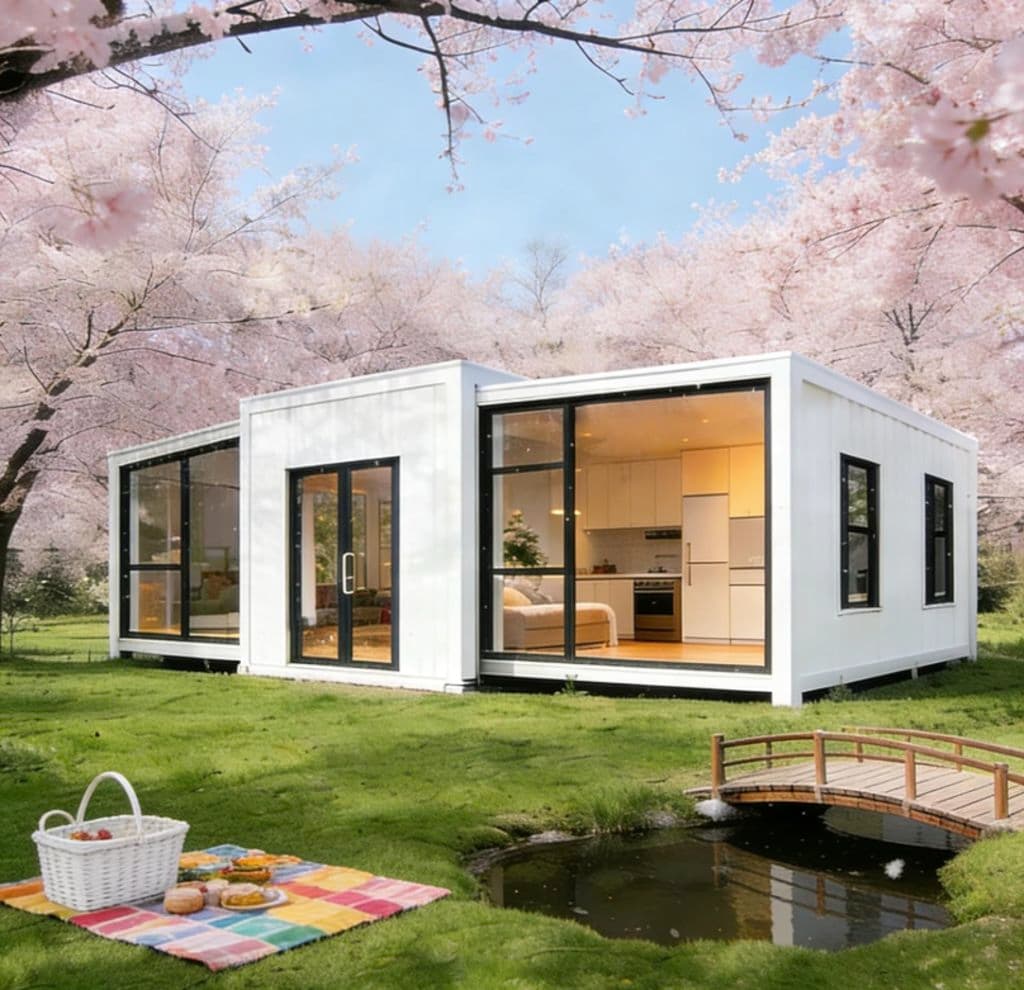
Industry forecasts point to sustained growth in the sector over the next decade as developers, investors and operators seek alternatives to traditional build-to-sell models and extensions. According to Mordor Intelligence, Australia’s prefabricated buildings market is forecast to grow at around an 8 per cent between 2026 and 2031, reflecting rising demand driven by housing supply pressures, labour shortages and faster delivery timelines.
The trend underscores the expanding secondary-dwelling market, where granny flats, backyard studios and flexible living spaces have been in high demand since COVID and are now increasingly enabled by relaxed planning regimes in states such as Victoria and Queensland.
While not a substitute for mainstream housing delivery – where a regular build can take as long as a year – modular pods offer investors and developers new revenue opportunities on existing landholdings, as well as integration into infill, mixed-use and accommodation strategies.
Beyond the private market, pod-style housing has also been used in social and early-intervention settings.
Charitable organisation Kids Under Cover has long deployed relocatable backyard studios for young people at risk of homelessness, providing independent accommodation while maintaining family support networks. Built using Bendigo-made Durra Panel – a recyclable, biodegradable wheat-straw product – the studios offer superior thermal and acoustic performance to plasterboard.
Kids Under Cover studios house around 1000 young people each night in Victoria, and more interstate.
“We build one or two-bedroom studios [with a bathroom] in the backyards of homes to assist carers in need of more room to accommodate young people in their care. Each studio provides a stable space for a young person to grow and study while keeping them connected to their family and reducing the risk of them being forced to leave home prematurely,” the charity says.
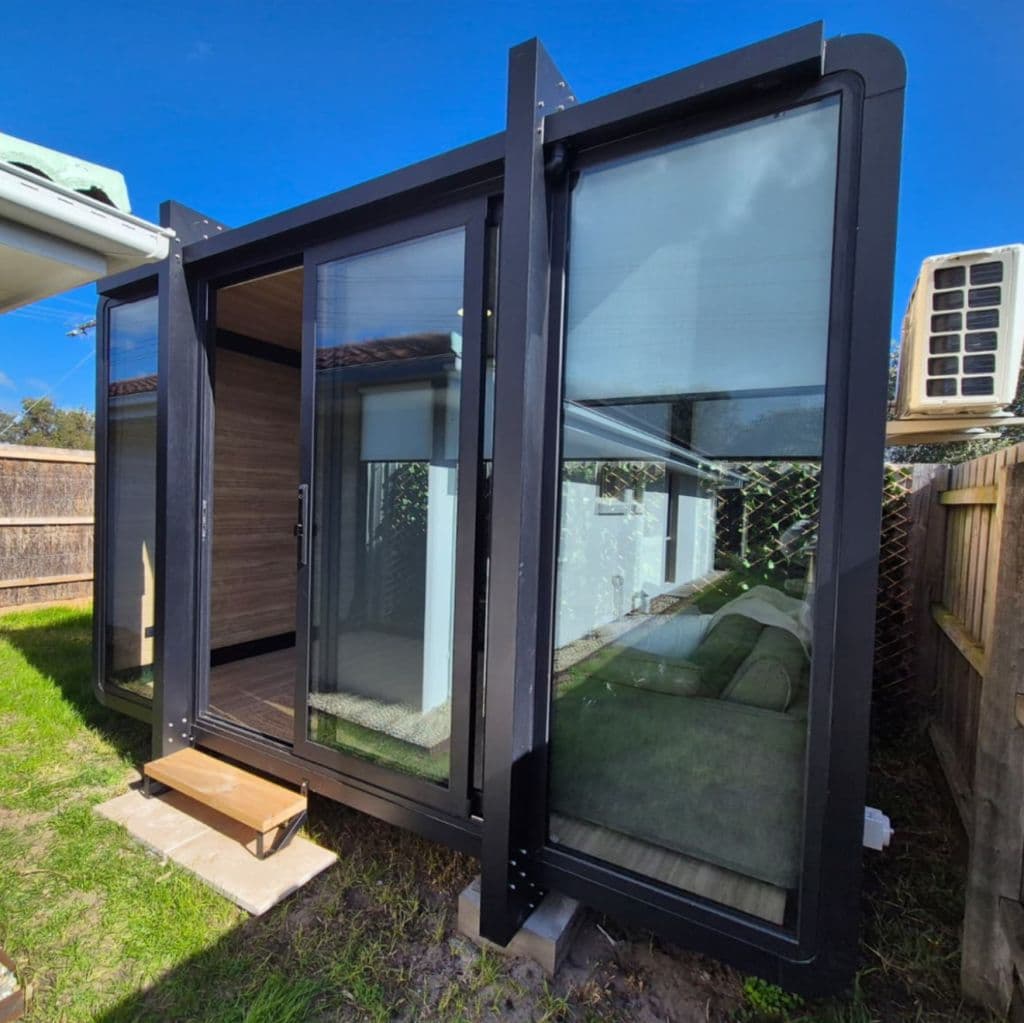
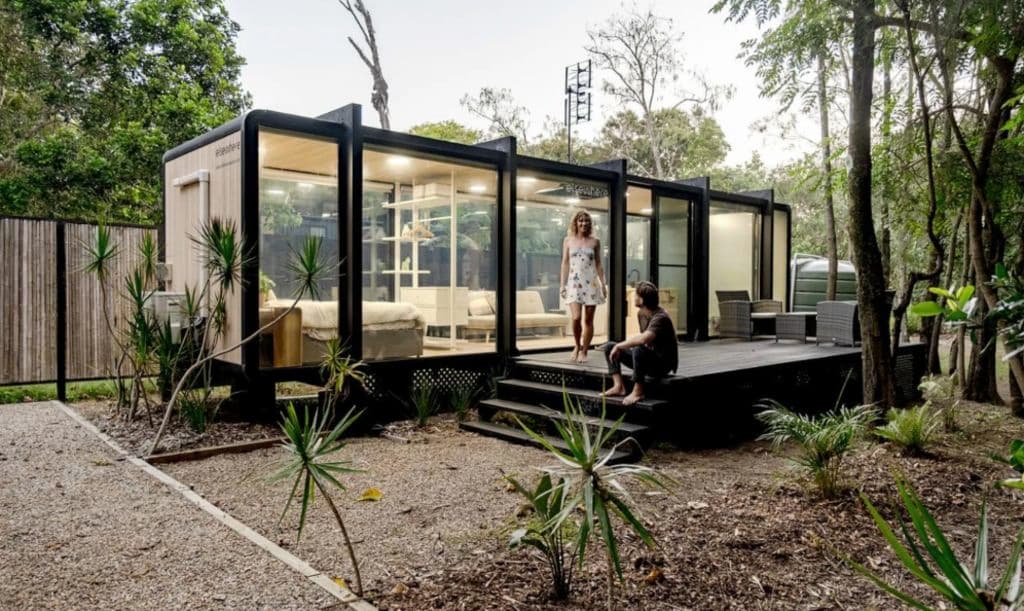
Part of the commercial appeal of Elsewhere Pods is that they are flat-packed and can be easily delivered to remote and hard-to-access locations. This creates new pathways for wilderness eco-resorts, caravan park operators looking to diversify through turnkey modular rentals, those wishing to create micro-stay clusters, or rural landowners keen to establish a single passive income stream through short-term rentals.
It could also assist with government programs delivering short-term modular housing to support bushfire recovery. In the past, several cranes and trucks have been needed to reach hard-to-access rural locations.
Almost a third of Elsewhere Pods’ sales reportedly now come from off-grid eco-tourism projects, highlighting demand for lightweight, rapidly deployable structures in regional locations. The company has also rolled out Elsewhere Eco-Resorts, offering nature-immersed accommodation in destinations including Byron Bay and Bright, where investors can earn short-stay income through the network, with rebates offered if they later invest in a pod.
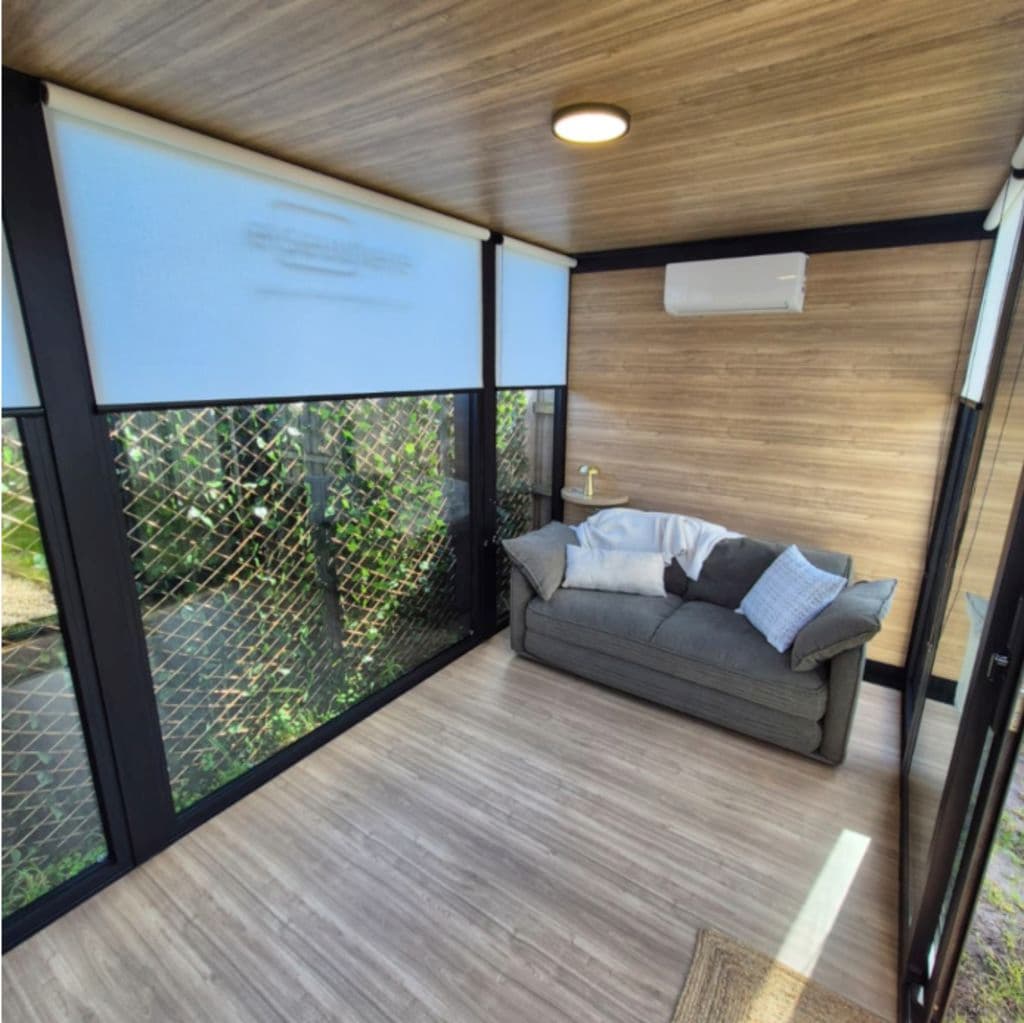
Elsewhere, Pods founder Matt Decarne says the Bunnings range only represents the company’s simplest designs, which extend to 12-metre-long tiny homes.
“What we’ve launched with Bunnings is a subset of our broader designs that are standardised for simplicity and limited to configurations that don’t trigger building permits,” he told the Australian Financial Review.
The company says it aims “to develop a luxury eco-tourism industry by creating dedicated accommodations, alleviating pressure on housing affordability and inspiring sustainable living”.
The Bunnings pod stock, ranging from the smaller 2.7m x 2.4m to the larger 4m x 2.4m, made a soft launch in Bunnings stores in December.
Bunnings says there has been increased demand for tiny homes and outdoor rooms, and it hopes to offer its customers great flexibility.
“From modular homes to backyard studios, our DIY Bunnings range makes it simple to build stylish, functional spaces for work, wellness, creativity or rest,” it says.