Environmental concerns begin to weigh on retailers as e-commerce gathers pace
With COVID-19 forcing many people to change the way they shop, the resulting boom in e-commerce has driven many companies to change how they do business as demand for sustainable supply chains increases.
Jamie Dixon, supply chain director at TMX, said not only had the pandemic triggered an e-commerce boom but it had also altered the customer buying experience, causing a shift in the retail landscape.
“As retailers benefit from strong consumer demand and a colossal increase in e-commerce orders, more needs to be done to control emissions within supply chains,” he said.
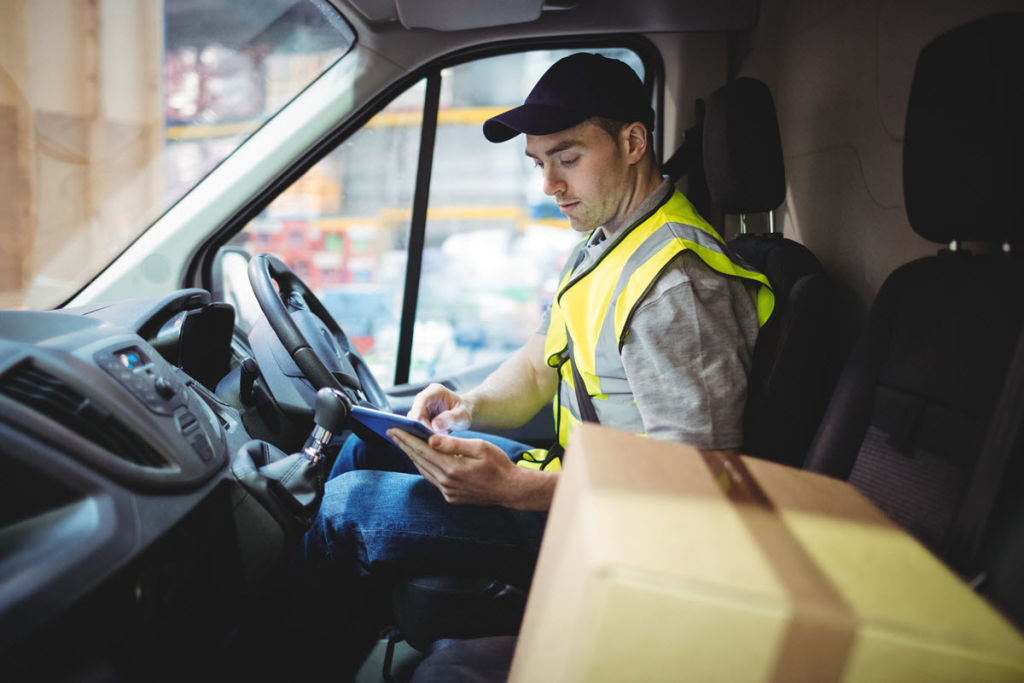
“Increased growth of deliveries is driving up the use of last-mile delivery vehicles due to inefficiencies, resulting in trucks running empty.
“The transport and logistics sector needs sustainable supply chains not just for corporate governance and operational savings but for retaining customers who are becoming more environmentally conscious.”
Mr Dixon said the pandemic has pushed the e-commerce industry ahead by about five years.
“COVID has made people rethink things from a sustainability perspective and it’s made companies and individuals think about, ‘How can we optimise our supply chains?’ Everybody is talking about logistics and supply chains because everybody is actually realising how critical they are, and took them for granted before, so everything has accelerated.
“So it’s accelerated everything from an overall optimisation and suitability perspective.”
Businesses who have innovated their organisation and operating models to serve the agile supply chains of e-commerce found themselves ahead of the race, Mr Dixon said.
“The role of technology in transport and logistics has evolved significantly over the past decade but never so quickly or dramatically as in response to COVID-19. Many operators have taken up route optimisation to improve customer experience and reduce carbon footprint,” he said.
“Others have considered the type of fuel they use.”
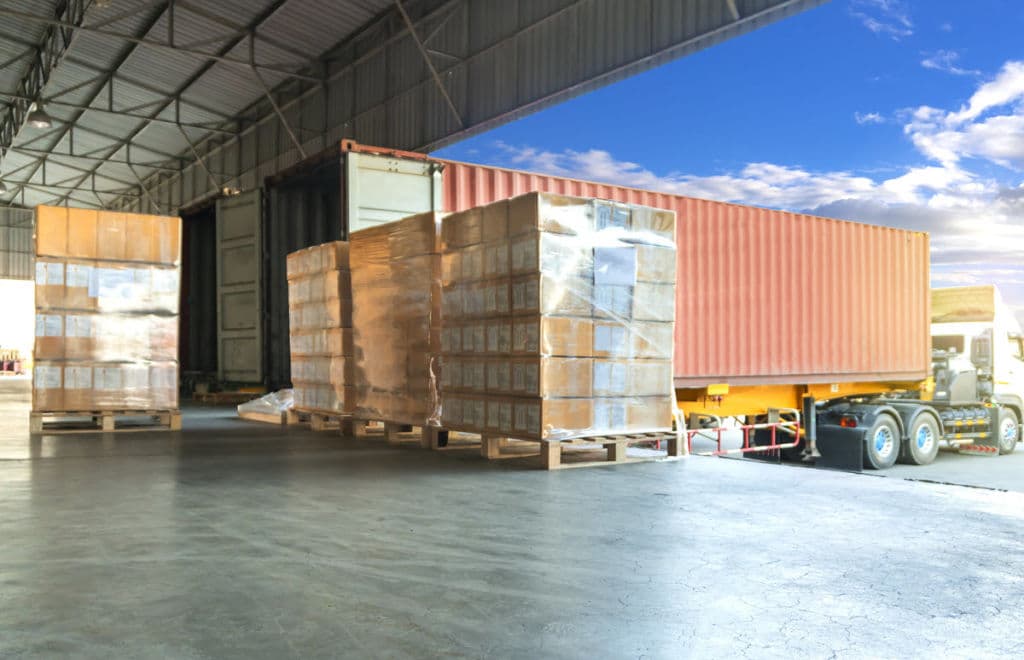
According to TMX, industry benchmarks show a reduction in greenhouse gas emissions by switching the transport mode and increasing vehicle payloads (payload means the weight in a vehicle/amount of goods in the vehicle).
Shifting to rail from road for longer legs could cut emissions by up to 50 per cent by using a more efficient mode. While using more sea freight could result in up to 83 per cent reductions for each tonne transported by sea over rail.
Planet Ark recycling campaigns manager Alejandra Laclette said with the pandemic resulting in a huge increase in online shopping last year, many brands have become more conscious of their products and how they were packaged.
“They are really trying to find different ways in how they can improve their packaging and their environmental footprint,” she said.
“A few brands have either included 100 per cent recycled plastics in their shipping satchels or have gone from regular packaging to sustainable alternatives. Some brands even offer when you are buying online, you can select to choose a sustainable option versus a regular one.”
Shopping sustainably was more than just the packaging, with what was inside the package also vital, Ms Laclette said.
“It’s about the consumer buying responsibly. Try to avoid fast fashion … that’s a very good one. I can see so many ads around really cheap clothing, which I know is accessible to some people but at the same time do you really need 10 different T-shirts?
“So it’s not just about the packaging. The packaging is probably the least thing you should be concerned about when it comes to what you are buying.”
Consumers were becoming more educated and picky when it came to the brands they chose based on sustainability, Mr Dixon said.
“It’s about thinking about everything you do … is this a sustainable thing that I am doing? Am I getting the right packaging so I can recycle it? Can I return things easily and simply? What’s my role – what’s my duty of care to the environment here?” he said.
“And then ultimately you have got a choice and people will start looking at choices based on, ‘I would rather buy my garment off a more sustainable retailer than someone else who is not sustainable’.”