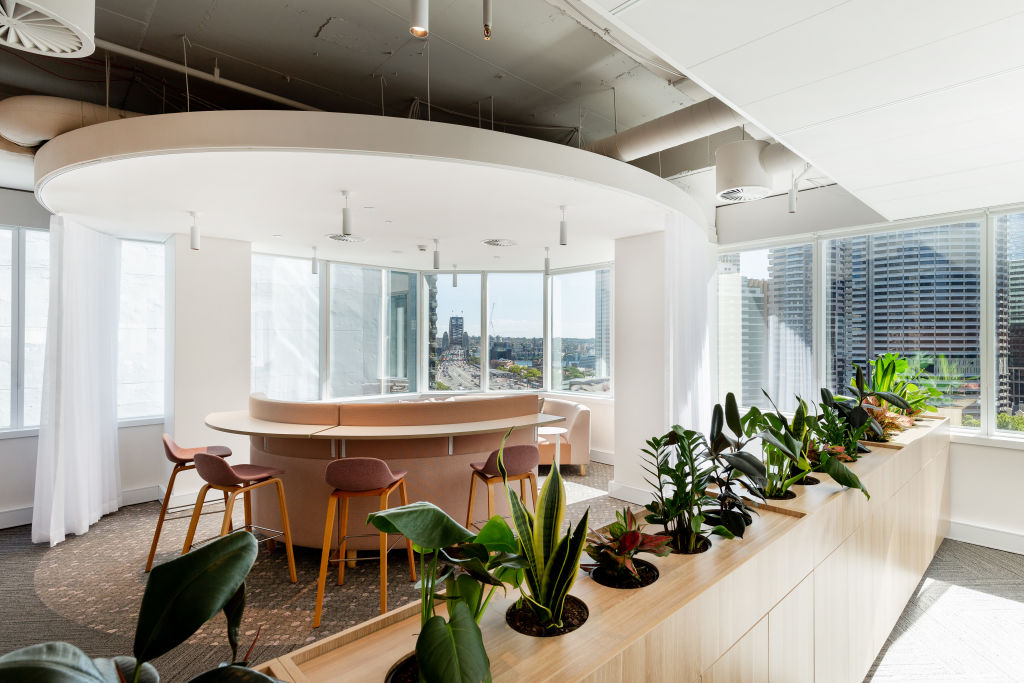
Designing offices for a new generation of workers
Gen X and Baby Boomer executives are prioritising office locations and layouts that are at odds with the needs of the young-professional workplace, a report on the future of the office has found.
Millennials and Gen Zs now account for more than 56 per cent of the nation’s workers, and by the end of the decade, they will represent 70 per cent of the workforce. But they may not be in the right work environment to succeed.
“Many corporate real estate decisions (location, layout, amenities) are still shaped by leaders whose careers were built in a different era, “ report author CBRE director Tristan Gannan found.
“These decisions are often finalised by Gen X and Baby Boomer executives while the people who will occupy, lead and grow within those spaces belong to entirely different generations with different expectations, social norms and views of what a ‘typical’ workplace experience should be,” Gannan says.
According to the report Are we selecting offices for the wrong generation?, workplace features valued by one generation of workers compared to another have never been wider.
It noted that while senior executives – typically older generations – prioritised central CBD locations close to clients, those working in management needed greater flexibility to support caregiving responsibilities, while younger workers wanted vibrant communities, transport connections and purpose-driven spaces.
“Real estate decision are made every five to 10 years, but they affect people every single day,” said Gannan.
“From employees and clients to future talents, your office is more than a workplace. It’s a long-term signal of what your organisation values. It reflects your culture, your priorities and your future.
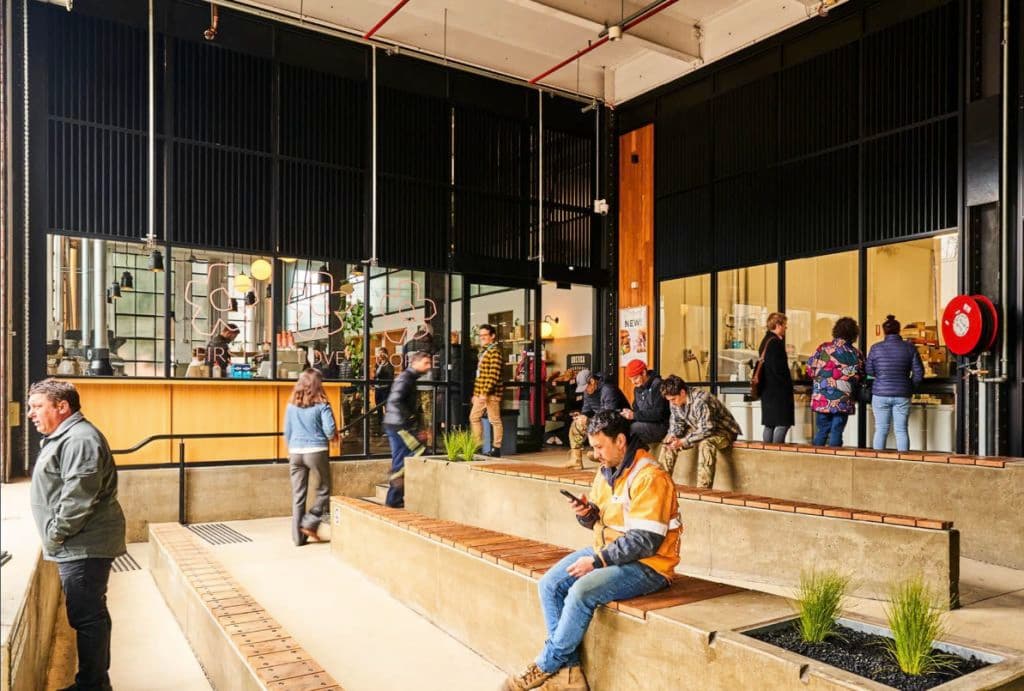
A similar 2025 Deloitte survey of 800 Gen Z and Millennials found that young professionals were rejecting traditional rules and antiquated structures in the workforce and had high expectations of their employers.
“Gen Zs and millennials … [are] focused on work-life balance and learning and development,” the report found. “Making money is important to them, but so is finding meaningful work and wellbeing. They are looking for careers with the right balance of these factors, a ‘trifecta’ that can be hard to find.”
For employers, balancing that trifecta may hold a key to attracting talent, reducing turnover and increasing engagement, it concluded.
The report findings rang true for Mamamia, Australia’s largest women’s media group, last year when they embarked on a mission to find new offices for their Sydney headquarters.
Renowned for its fast pace and youthful workforce – 73 per cent are under the age of 40 – the organisation was on the hunt for more floor space to cater for its expanding content menu and a central location.
“Employing younger people, we were very aware that if we wanted people to come into the office more to collaborate, we needed to choose the right location,” recalls Mamamia’s chief content officer, Zara Curtis.
“When we found this, we just couldn’t believe our luck. It’s right above the new metro, right above Town Hall and pretty much central for everybody.
“The other thing we wanted was modern facilities. We’re a modern digital media company, so we needed to create a workspace that supported that, so every meeting room is kitted out with the latest tech.
“And then most importantly, we custom-built our three podcast studios and photography studio. so it makes it a hands-on creative place to work and create content.”
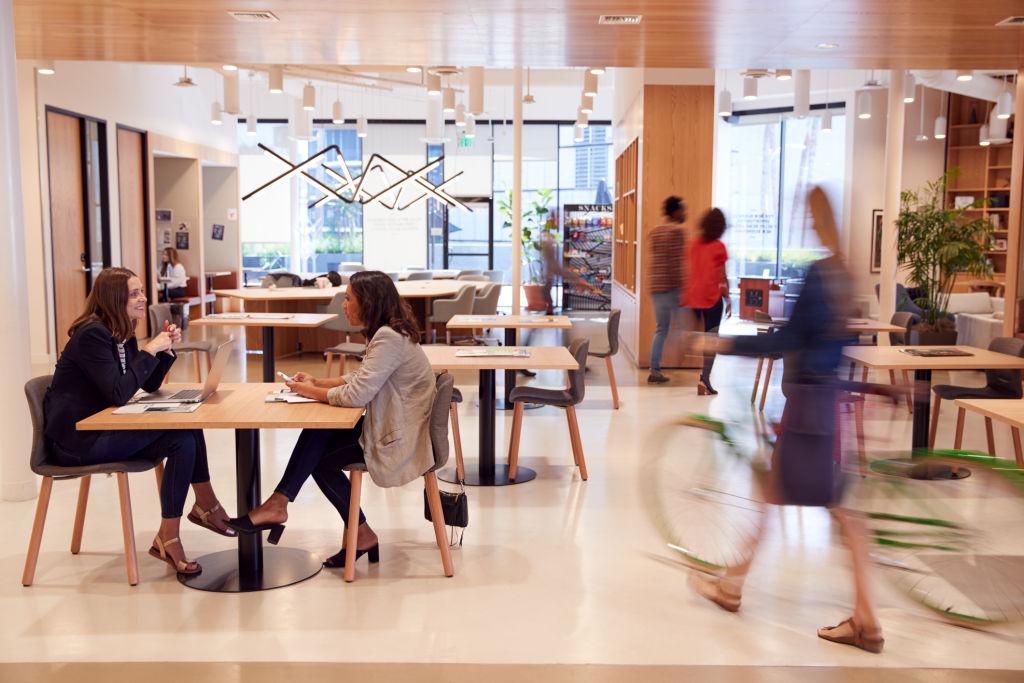
Set above Town Hall station in George Street, the new Mamamia offices were transformed by Fenton & Fenton and designer Cat Raven from CatRavenLand. From communal spaces with soft, curved furnishings and quiet getaway spots in window seats to colourful, state-of-the-art studios, it is an enticing workplace with a home-away-from-home aesthetic.
“It’s what you put into a building that really makes it the right space – a great place to work – and that’s where we spent money and time,” explained Curtis, adding she can’t underestimate the impact the new offices have had on staff and productivity.
“Our engagement and collaboration metrics are really, really high, which we’re pleased about.
CBRE’s Gannan advises businesses looking for office space to consider how it will support both current leadership and future talent, and whether it provides flexibility for the future.
“The decisions you make today about where to locate, how to configure and what to invest in, will shape your organisations trajectory for years to come,” he said.
“Making the right decision will enable the organisation to extract value from the real estate decision for decades rather than making regular changes.”