Big thrills, big risks: What it really means to invest in amusement parks
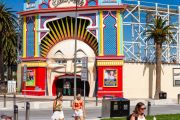
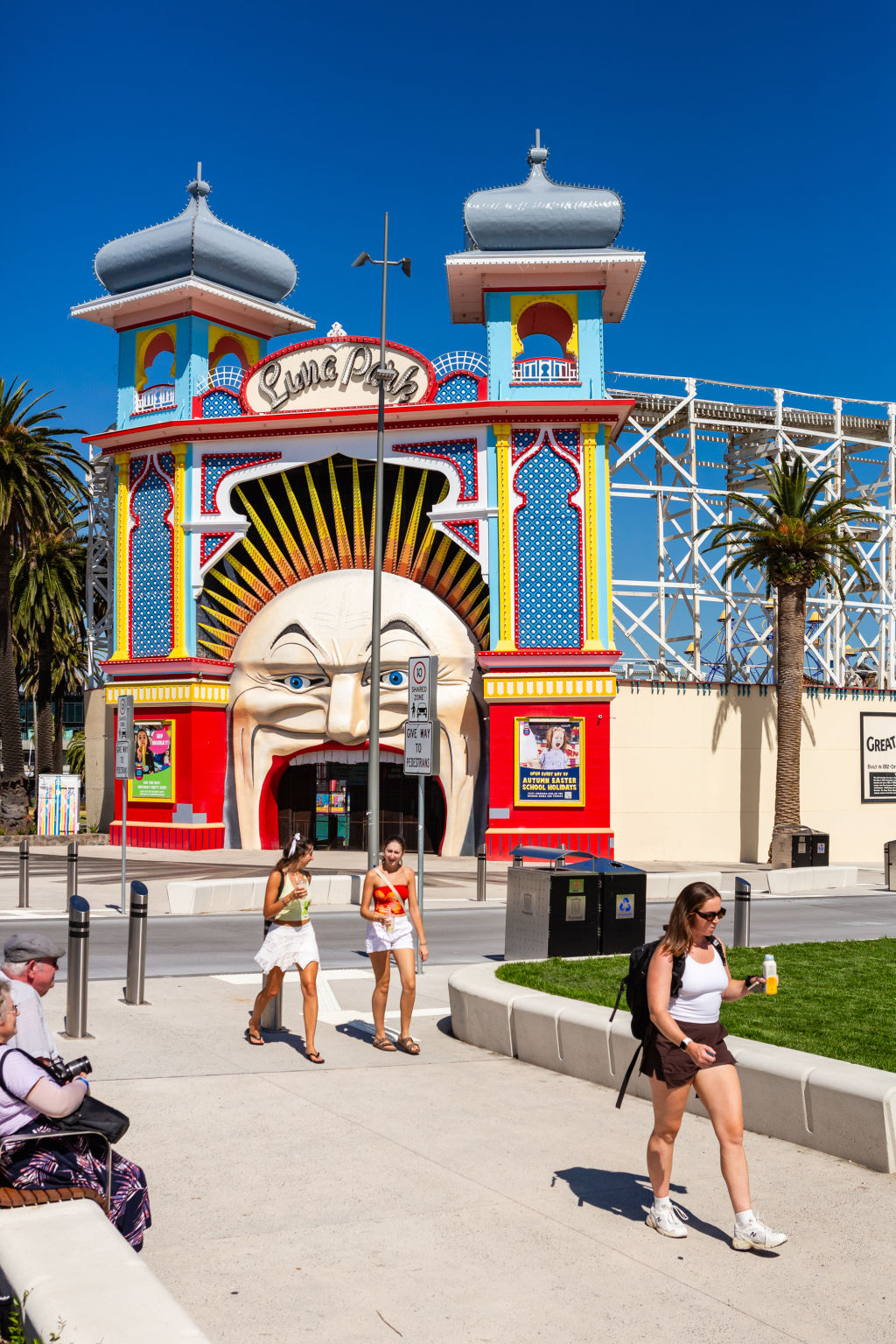
The first amusement park in Australia opened in St Kilda, Melbourne, in 1912, and Luna Park drew thrill-seeking crowds ready to ride the rickety Scenic Railway and put their skills to the test at the games parlour. More than a century on, the fundamentals remain, but the scale, sophistication and stakes have shifted dramatically.
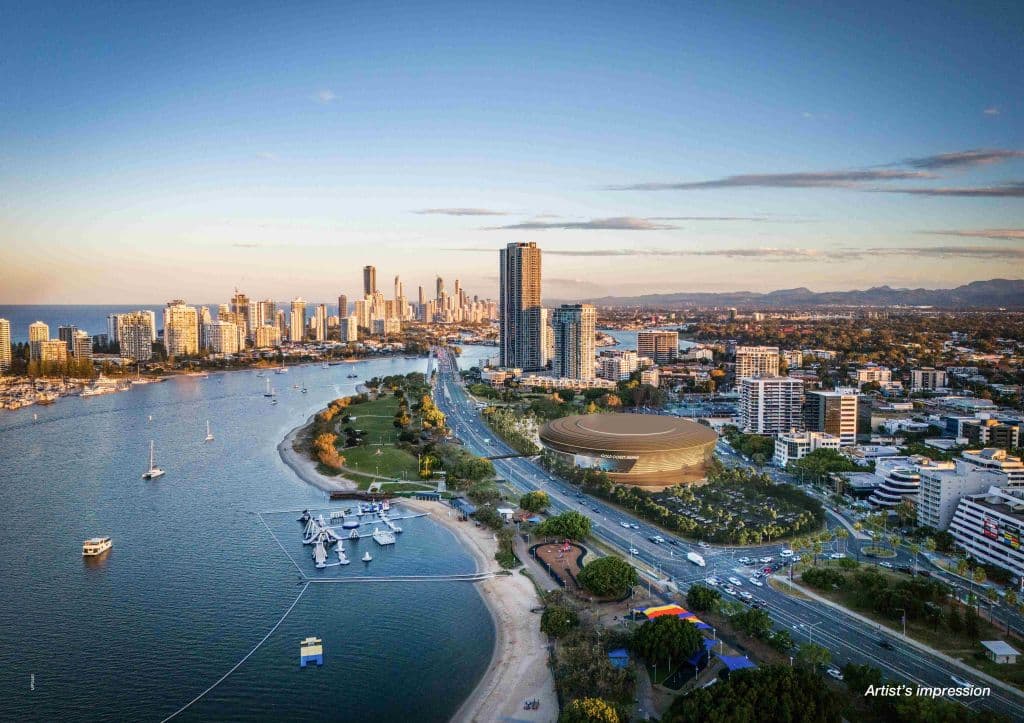
Today, Australia’s theme park landscape spans everything from heritage attractions to large-scale destinations on the Gold Coast, reflecting an industry that has evolved into a major tourism and commercial sector.
While opportunities to acquire amusement parks are rare, when they do come to market, they attract significant attention from both local and international investors. The appeal lies in the investor’s ability to own a high-yield, experience-driven ecosystem that captures spending across entertainment, hospitality and accommodation. However, entering the market hinges on substantial capital, operational expertise and resilience to broader economic and environmental conditions.
So what would an investor need to know when entering the amusement park sector?
Are they profitable?
At their peak, major theme parks can generate high revenue, driven by a mix of ticket sales, food and beverage, retail and accommodation. Village Roadshow’s theme parks division, which includes several of the country’s highest-performing assets on the Gold Coast, such as Warner Bros. Movie World, Sea World, and Wet’n’Wild, reported earnings of about $73 million in 2019.
However, performance is closely tied to external factors including weather events, cost-of-living fluctuations and global travel trends.
Theme parks are also very expensive to run. New rides and attractions can cost tens of millions of dollars, and without continual reinvestment, visitor numbers can dwindle.
The risks are perhaps best illustrated by the collapse of Monopoly Dreams Melbourne, which entered liquidation after just two years of operation under significant debt pressures, owing about $61.7 million. Despite its global brand recognition, the indoor attraction struggled to generate sufficient foot traffic to sustain operations, and major shareholder funding was withdrawn. The example now stands as a cautionary tale.
Prime real estate
One of the most compelling attractions of amusement parks as an asset is the land they occupy.
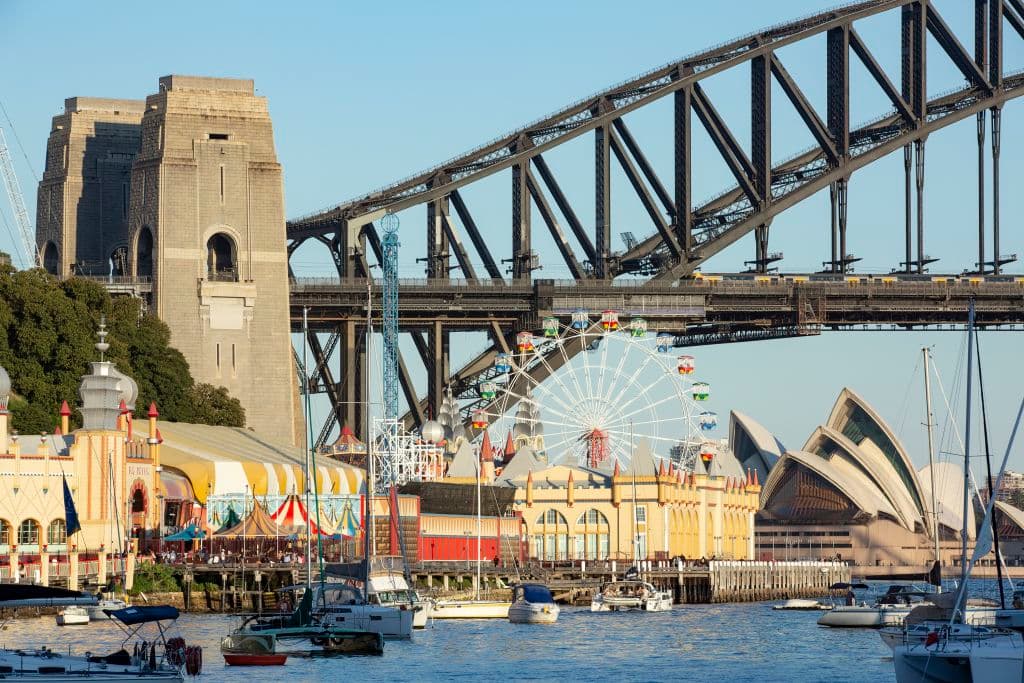
Both Luna Parks in Melbourne and Sydney sit on some of the most valuable waterfront real estate in the country, yet remain locked into their use as entertainment precincts.
According to CBRE Pacific head of retail capital markets Simon Rooney – who last year represented the sale of Luna Park Sydney, which reportedly sold for over $50 million – opportunities to acquire such assets are exceptionally scarce and gain significant attention.
“They’re incredibly rare — the first in my career spanning 38 years to date,” Rooney says, adding that the interest generated demonstrates that investors are ready to pounce when opportunities do come up.
“Luna Park was marketed extensively on a domestic and international basis and attracted significant interest, well over 200 enquiries, given its iconic nature and instantly recognisable, landmark location metres to the Sydney Harbour Bridge,” he says.
While Luna Park Sydney occupies what would ordinarily be billion-dollar harbourfront land, its value cannot be assessed on a traditional development basis. The site is government-owned and protected by legislation that requires it to operate as an amusement park, meaning investors are effectively buying a long-term lease and the right to operate a business, not the underlying land itself.
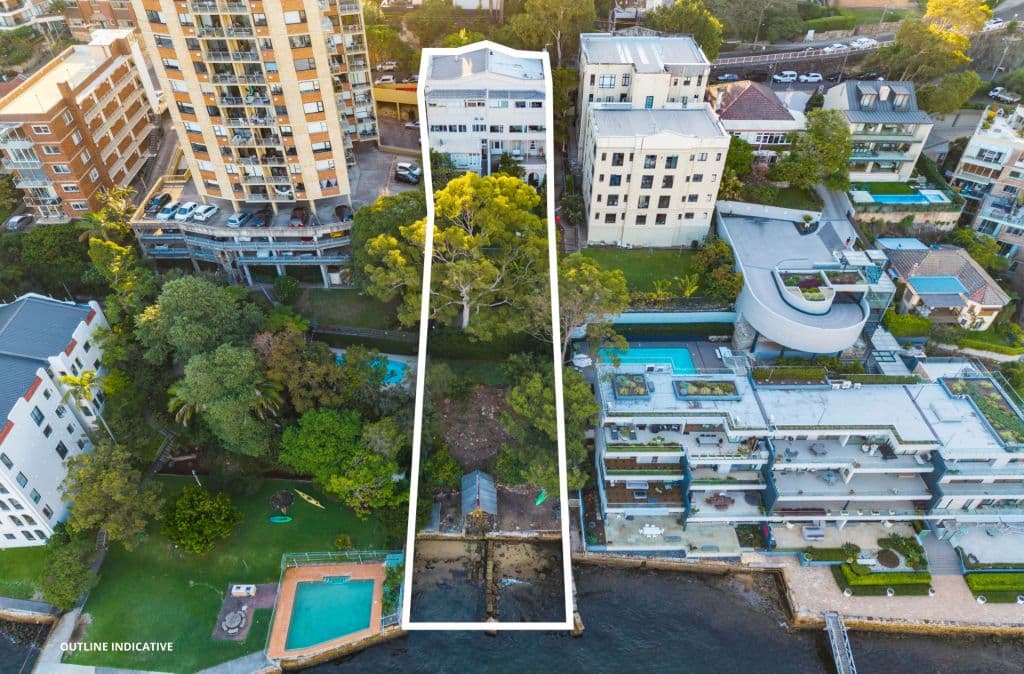
However, sites surrounding Luna Park Sydney, including 23-25 East Crescent Street in McMahons Point, have recently been marketed at $25,000 to $30,000 per square metre, which highlights the underlying value of the land the park sits on.
“Of course, developers would love to get their hands on this location,” Rooney says. “However, the park has been operating for over 89 years and will continue to operate as Luna Park Sydney.”
Who are the investors?
Amusement parks tend to attract a specialised and often global investor pool.
Rooney says the campaign for Luna Park Sydney drew mainly large specialist fun-park operators from the US, Europe and Asia, alongside several domestic groups.
Ultimately, the asset was acquired by Sydney-based hospitality and leisure group Oscars, which is NSW’s largest privately owned hospitality operation, founded by the Gravanis family.
These buyers are typically well-capitalised and experienced in operating complex, high-foot-traffic assets. Unlike passive property investments, amusement parks require active management, ongoing expenditure and a strong understanding of consumer behaviour.
At the same time, Australia’s strong tourism backbone, combined with a relatively undersupplied theme park market compared to global peers, is helping to attract interest from offshore investors looking for long-term growth opportunities.
A new generation of parks
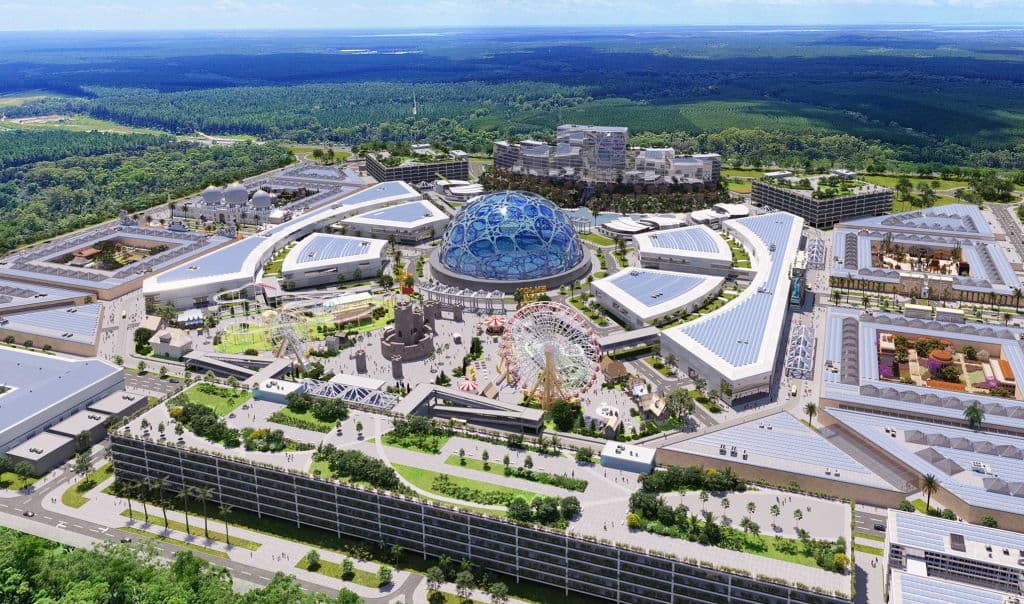
Nothing signals the expanding market better than the proposed mega-theme park dubbed Infinity Planet. Plans for the new $2.6 billion development located on a 68-hectare site at Elimbah, Queensland, include 2943 hotel rooms, a 10,000-seat city hall and a landmark cultural mall – all of which aims to be completed before Brisbane’s 2032 Olympics.
Ramin Ahmadi, founder and chief executive of RHC and master developer of Infinity Planet, says the project has been designed to meet a gap in the Australian market.
“The timing is ideal because no comparable concept currently exists in Australia,” he says. “Infinity Planet will become the country’s first fully integrated city-style entertainment destination, filling a gap in the market and responding to growing demand for large-scale, technology-driven tourism and lifestyle precincts.”
The project’s location in Queensland’s Northern Growth Corridor is also strategic, with the lead-up to the Olympic and Paralympic Games expected to accelerate tourism and infrastructure investment across the state.
Unlike traditional parks, Infinity Planet is being positioned as a hybrid of theme park, smart city and cultural hub, incorporating AI-enabled systems, immersive virtual environments, and international pavilions.
Ahmadi says this reflects a broader shift in the sector toward more interactive and meaningful visitor experiences.
“It reflects a shift toward technology-rich, education-focused entertainment,” he says. “The future of the industry lies in blending edutainment – where learning and leisure intersect – with cutting-edge digital experiences that appeal to global audiences seeking more meaningful and interactive engagement.”
Initial visitation is projected to be two to three million guests a year, with growth expected to reach about 20 million visitors by 2036, supported by the inclusion of international pavilions and year-round global programming.
For investors, projects of this scale signal both the growing ambition of Australia’s tourism sector and the direction in which amusement parks are heading.