Australia’s hotel sector a ‘safe haven’ in the face of global insecurity
Investment in Australia’s hotel market surged in the wake of the COVID-19 pandemic, while our reputation as a “safe haven” could help the sector remain steady amid global insecurity.
Last year, investment in hotels was up 80 per cent YoY to $1.8 billion, according to real estate and professional services firm Colliers’ Asia Pacific Investments Insights.
Historically, about two-thirds of this investment would be international, coming mainly from Asia, but it levelled out to almost a 50-50 split between domestic and international investment in 2025, Colliers head of hotels transaction services Karen Wales says.
Wales says the upswing in hotel investment last year was mainly due to particularly low transaction activity coming out of COVID-19 in 2024. And interest rate rises during that time put a temporary brake on the sector.
“Last year, we saw a strong rebound, as it looked like that interest rate cycle was going the other way. And at the same time, we saw the hotel markets were all performing pretty strongly – international tourism was back to 2019 levels.”
Domestic tourism levels held strong, and event attendance provided confidence for investors.
Wales says when it comes to investment in hotels, it’s a long game.
“Australia still has that safe haven [reputation], a long way from everything,” she says.
“If you’re investing, you’re looking through short-term volatility. You’re not investing for the next six months.”
From development cycle to refurbishment cycle
A development cycle which saw an injection of new hotel stock come into the market is starting to come to an end.
The cycle began in Brisbane and Perth in 2015 and has run through to 2026 in Melbourne and Adelaide, where the pandemic delayed later-stage projects and openings, Wales says.
During the cycle, about 40,000 hotel rooms were developed across the major Australian cities.
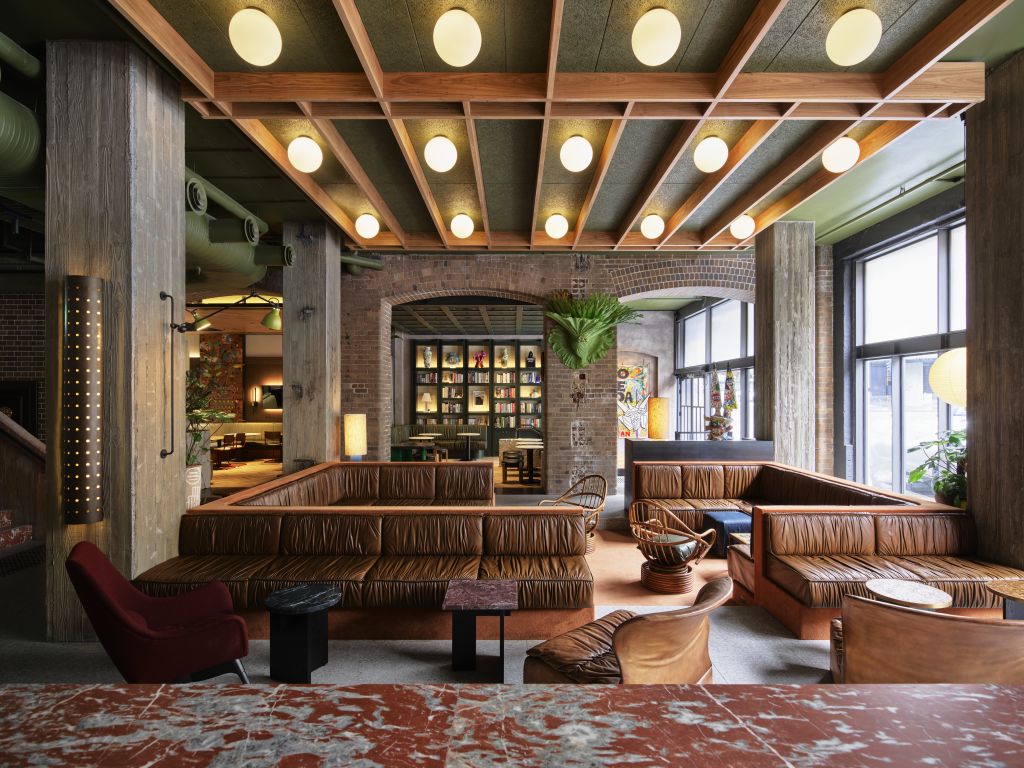
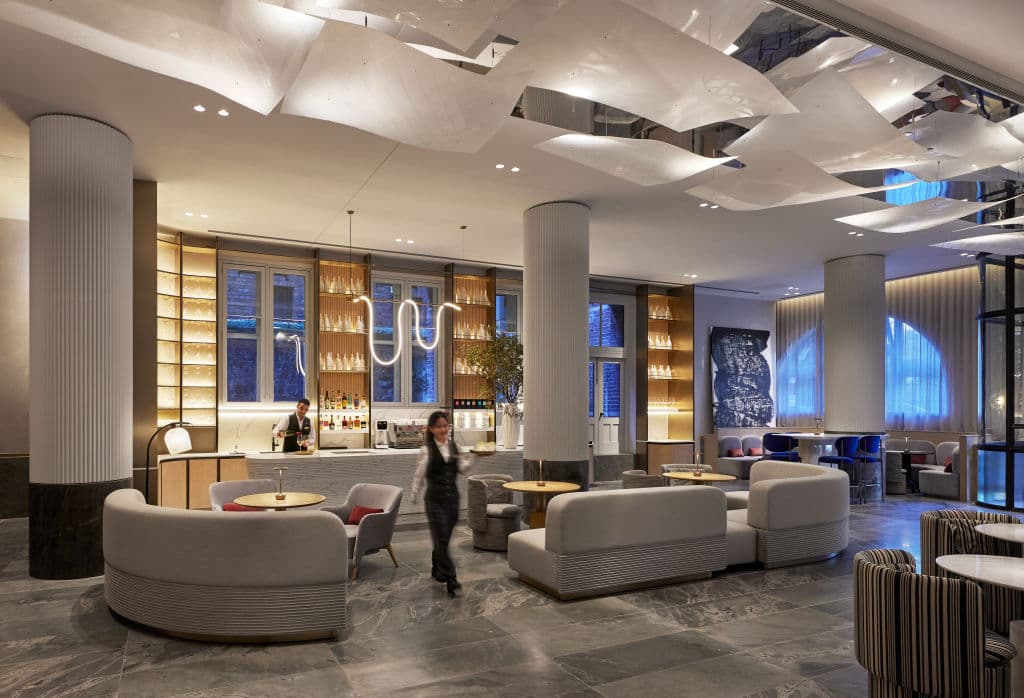
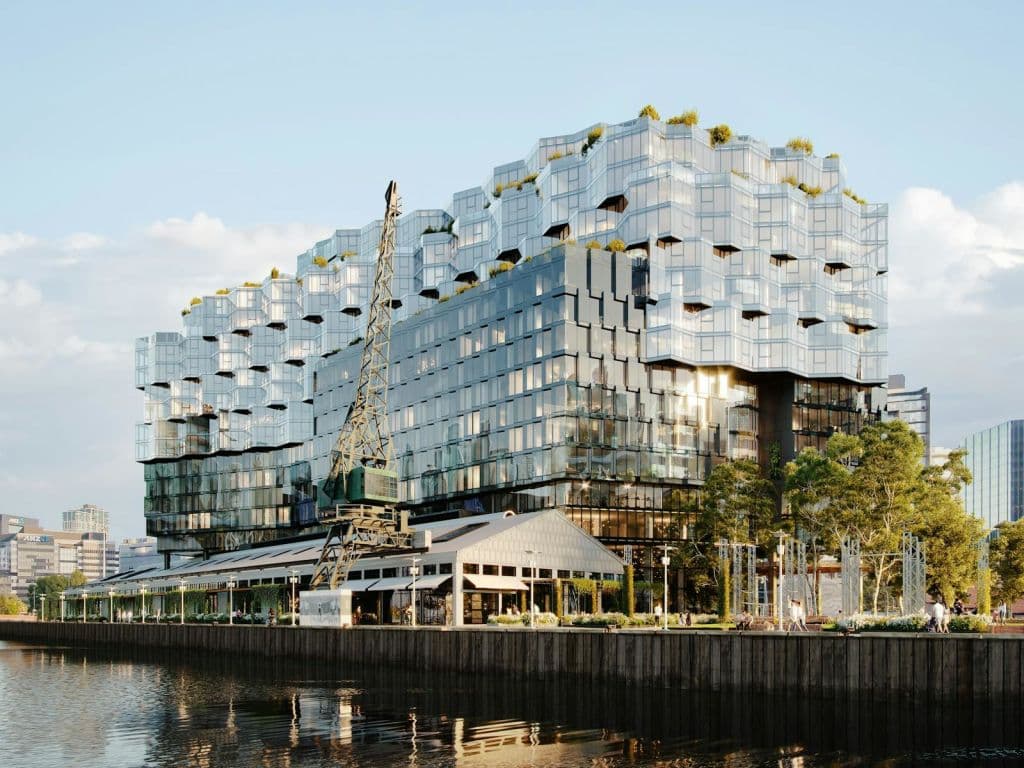
Some standouts in the luxury market include the Emporium Hotel, Brisbane, in 2018, Capella, Sydney, in 2024 and 1Hotel Melbourne, which opened in June 2025.
Wales predicts a move towards a refurbishment cycle now, in which older assets are revamped to compete with newer offerings.
“I don’t think we’ll see anything at all in hotels for quite some time, it’s just not feasible given the construction costs,” she says.
‘They’re selling at a discount to the replacement cost value, it’s giving people even more confidence that no new supply will materialise over the investment horizon.”
Strong growth in room rates
Occupancy rates have bounced back from the pandemic. In Sydney, occupancy rates were among the highest in Australia, reaching about 82 per cent at the end of last year. However, this was still behind the 87 per cent occupancy rates of pre-COVID peak times in the Harbour city.
In other parts of the world, growth in room rates has come under pressure, but here it has remained strong, Wales says.
Experiential tourism and luxury appear to be holding up well.
“There seems to be this willingness to pay, which is resulting in growth because investors typically prefer it when you see growth in room rates – more of it drops through to the bottom line than if you see growth in occupancy,” she says.
Regional revitalisation
A number of funds are targeting regional motels, which are typically higher-yielding than their metro counterparts.
Some landmark deals occurred in the past year, including the acquisition of Ayers Rock Resort by Journey Beyond.
Journey Beyond, an experiential tourism operator owned by an American private equity firm, also announced early this year that it was buying a portfolio that included the Kingfisher and K’gari Beach resorts.
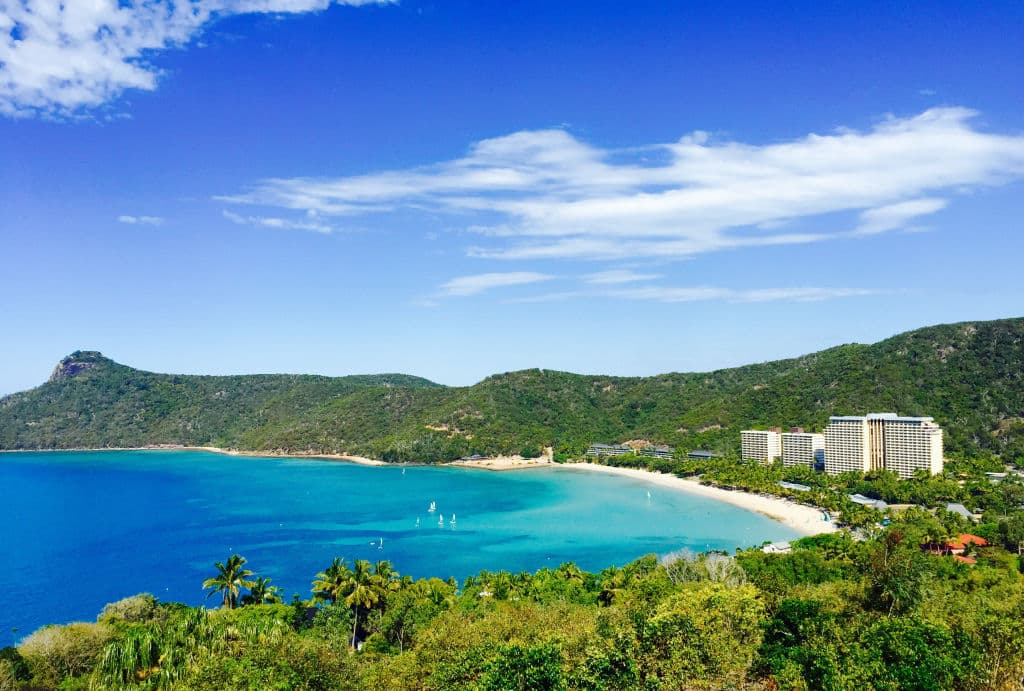
And at the end of 2025, the US private equity-owned Blackstone Group bought one of Australia’s best-known resorts, Hamilton Island.
The iconic resort spread across two islands features five hotels, more than 20 restaurants and bars and an 18-hole golf course.
Wales says that in the lead-up to the 2032 Summer and Paralympic Games, there has been strong interest in South-East Queensland.
“The greatest proportion of the hotel stock is in the capital cities, but we are seeing investors and also offshore investors, looking further afield,” she says.
New AI trend
While artificial intelligence (AI) is affecting businesses across the board, it’s likely to have an increased impact on the hotel sector going forward.
“AI, I think, has the potential to really lift profitability,” Wales says.
“With hotels, there’s a lot of back-end processes, and to automate a lot of that allows people running the hotels to truly be focused on the guest,” she says.
“It’s changing how people do field management … if an algorithm says, push your rates higher, then the machine just does it.
“That ability to analyse high amounts of data, to improve a process, I think, is where AI will benefit hotels.”