Australian hotel investment rebounds to $2.7 billion as offshore capital returns
Australia’s hotel market sector staged a sharp recovery in 2025, with transaction volumes reaching $2.7 billion as investor confidence returned and offshore capital re-entered the picture.
New data from Colliers’ latest Capital Markets Investment Review shows hotel transactions surged by around 80 per cent year-on-year, well above long-term averages, signalling what agents describe as a return to baseline momentum after a subdued period in 2024.
“Australia’s hotel sector has demonstrated resilience through cycles and continues to outperform global peers. With strong tourism demand, a stable political environment, and a transparent market, hotels remain a compelling asset class for both domestic and offshore investors,” said Colliers head of hotels transaction services Karen Wales.
A total of 67 hotel assets traded during the year, with the average deal size rising to $40 million. Activity was heavily weighted toward premium assets, with transactions above $50 million accounting for more than two-thirds of total deal flow, which is more than double the share recorded the year before.
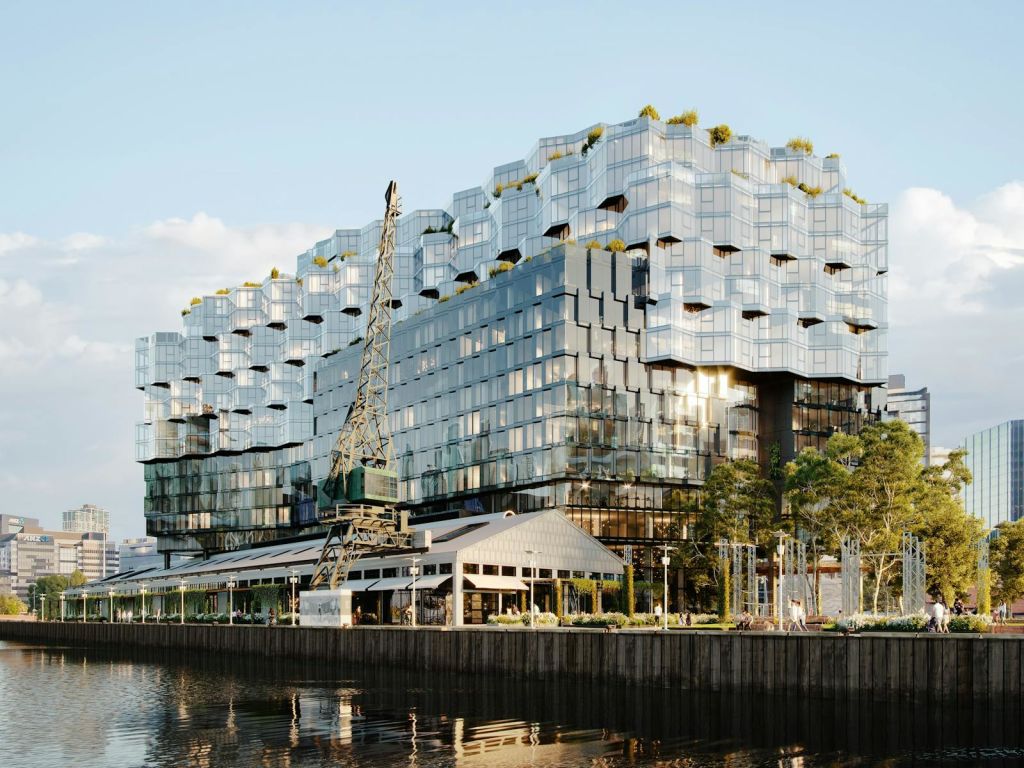
High-profile deals included Ayers Rock Resort in the Northern Territory, Park Hyatt Melbourne, Melbourne Place in Victoria and the sale of a 50 per cent stake in the Ritz-Carlton Perth. The proposed acquisition of Hamilton Island by Blackstone late in 2025 is also expected to underpin deal momentum heading into 2026.
Offshore investors were a major driver of the rebound, accounting for nearly half of all transaction volume. Capital from Thailand, the United States and Singapore led the charge. Wales added that 2025 marked a turning point for the sector, following a period of caution driven by interest rate volatility and global uncertainty.
“Transaction volumes surged as confidence returned, supported by strong trading performance and a more stable interest rate environment,” Wales said. “The re-entry of offshore capital highlights Australia’s position as a safe haven for global investors.”
Domestic buyers also played a significant role, with family offices and high-net-worth individuals accounting for roughly a third of deals. These groups have proven highly competitive in the current market, given their lower reliance on leverage at a time when borrowing costs remain elevated.
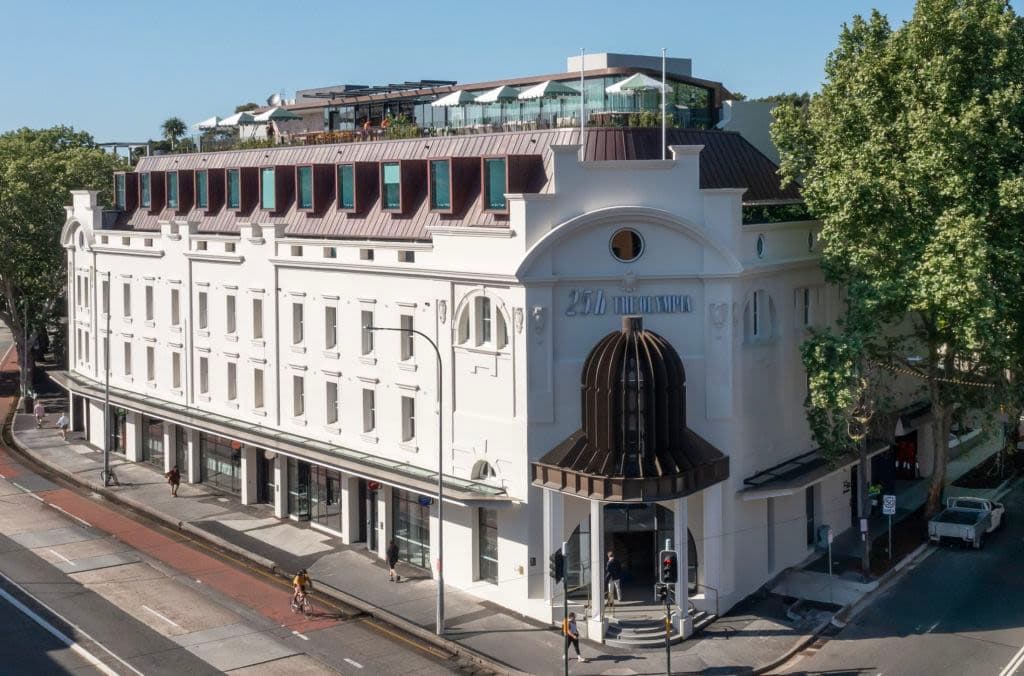
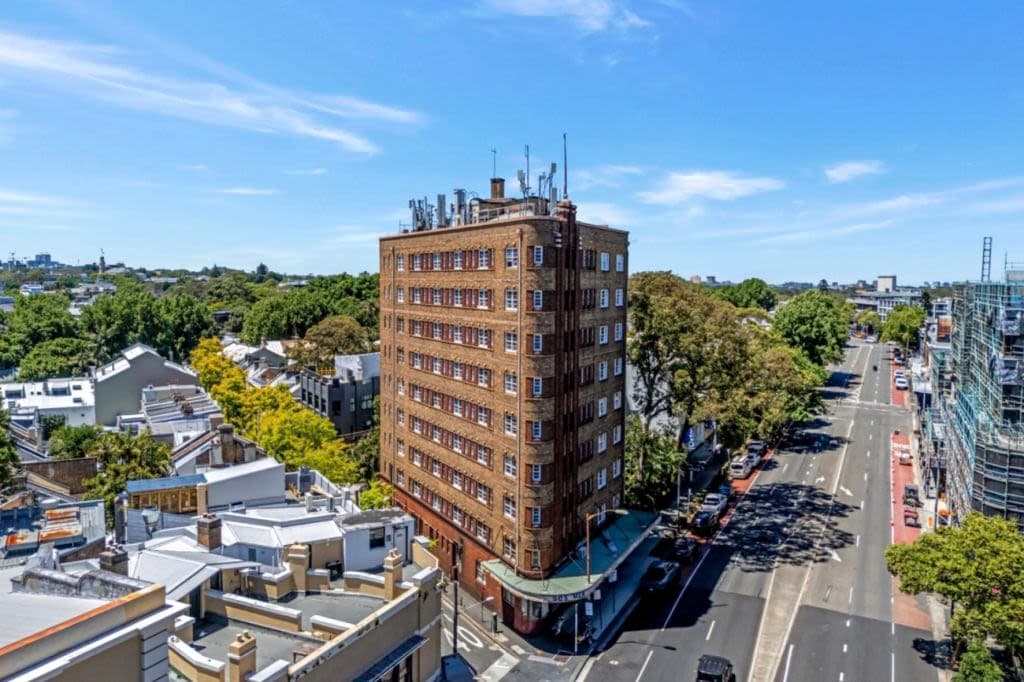
Elevated construction costs and a constrained development pipeline are also shaping investor behaviour. With replacement costs continuing to rise, many existing hotel assets are trading below the cost of building new supply. The recent sale of Claridge House in Sydney’s Darlinghurst for $19 million is a signal of this buyer behaviour, as it offers an opportunity for reinvention.
Looking ahead, Colliers forecasts hotel transaction volumes to average around $3 billion in 2026, with the potential to exceed that level if several large transactions currently in play are finalised.
Tourism fundamentals are expected to remain supportive. International visitor arrivals are forecast to grow by more than 5 per cent in both 2026 and 2027, while domestic travel is also projected to rise steadily, helped by major events and increasing demand for experiential travel.
Performance gains were recorded across all major hotel markets in 2025, with standout growth in Perth, Sydney, Brisbane, Hobart and Adelaide. Luxury and upper-upscale segments led the charge, achieving average daily rate premiums of more than 30 per cent in key markets.
Supply conditions remain tight, with only about 7300 hotel rooms currently under construction across Australia and new openings are expected to peak in 2026.
“We expect heightened bid activity in 2026 as investors capitalise on limited new supply and robust tourism fundamentals,” said Wales. “International visitor nights and spend are already surpassing pre-pandemic levels, and the Rugby World Cup in 2027 will deliver a step-change in market returns.
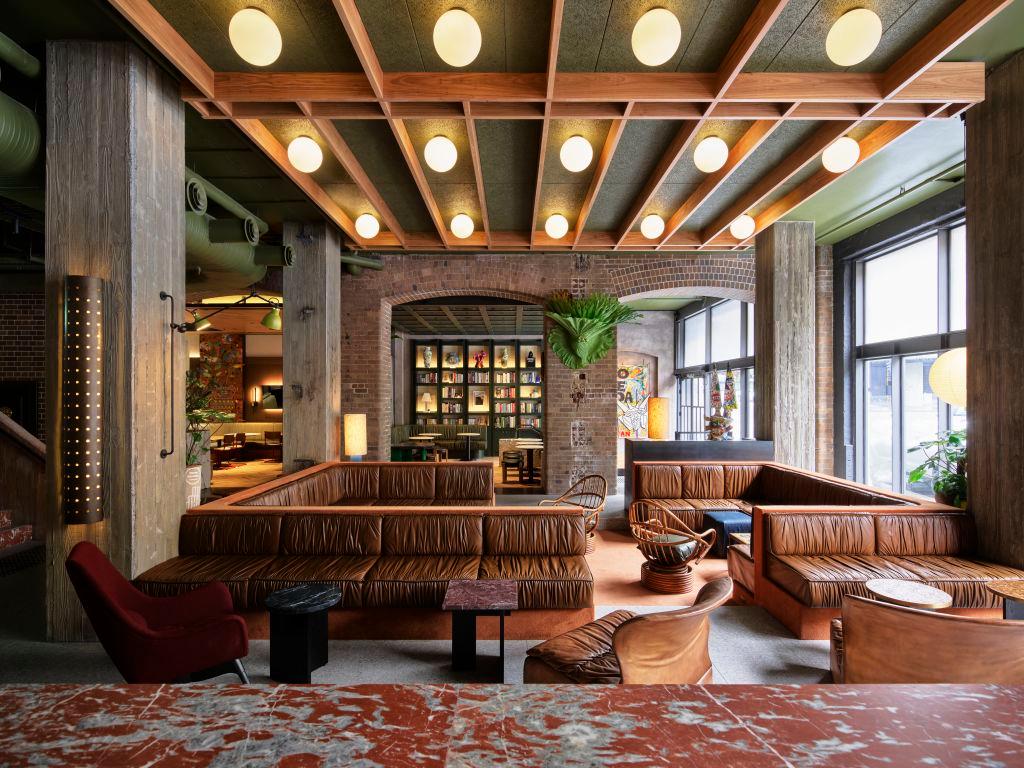
“Assets offering unique positioning, such as heritage landmarks, lifestyle hotels, and properties catering to wellness and cultural experiences, will continue to command premium interest.”