What's old is new: The surge of adaptive reuse in commercial properties
Stale, ageing and in need of a total reno. This was the indictment of 441 Murray Street, Perth, when workers from Western Australia’s Department of Transport vacated the seven-storey building.
It was destined for the wrecking ball until investors had a better idea. Why not save some cash, reduce carbon emissions and give it a new lease of life?
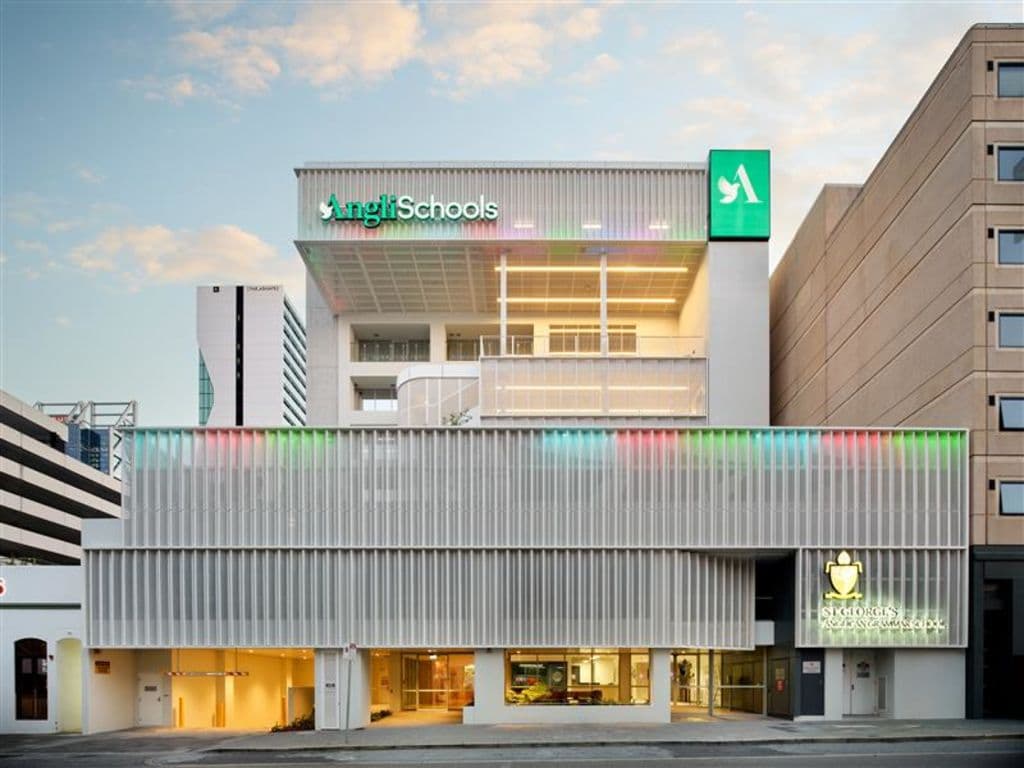
Six years after its 2019 sale, the 1980s building is now Perth CBD’s first vertical school.
This is just one example of adaptive reuse – the buzzword that’s got all of the commercial property industry talking.
Also called an “asset repositioning” or “asset repurposing”, adaptive reuse is the restoration of a building beyond its original purpose.
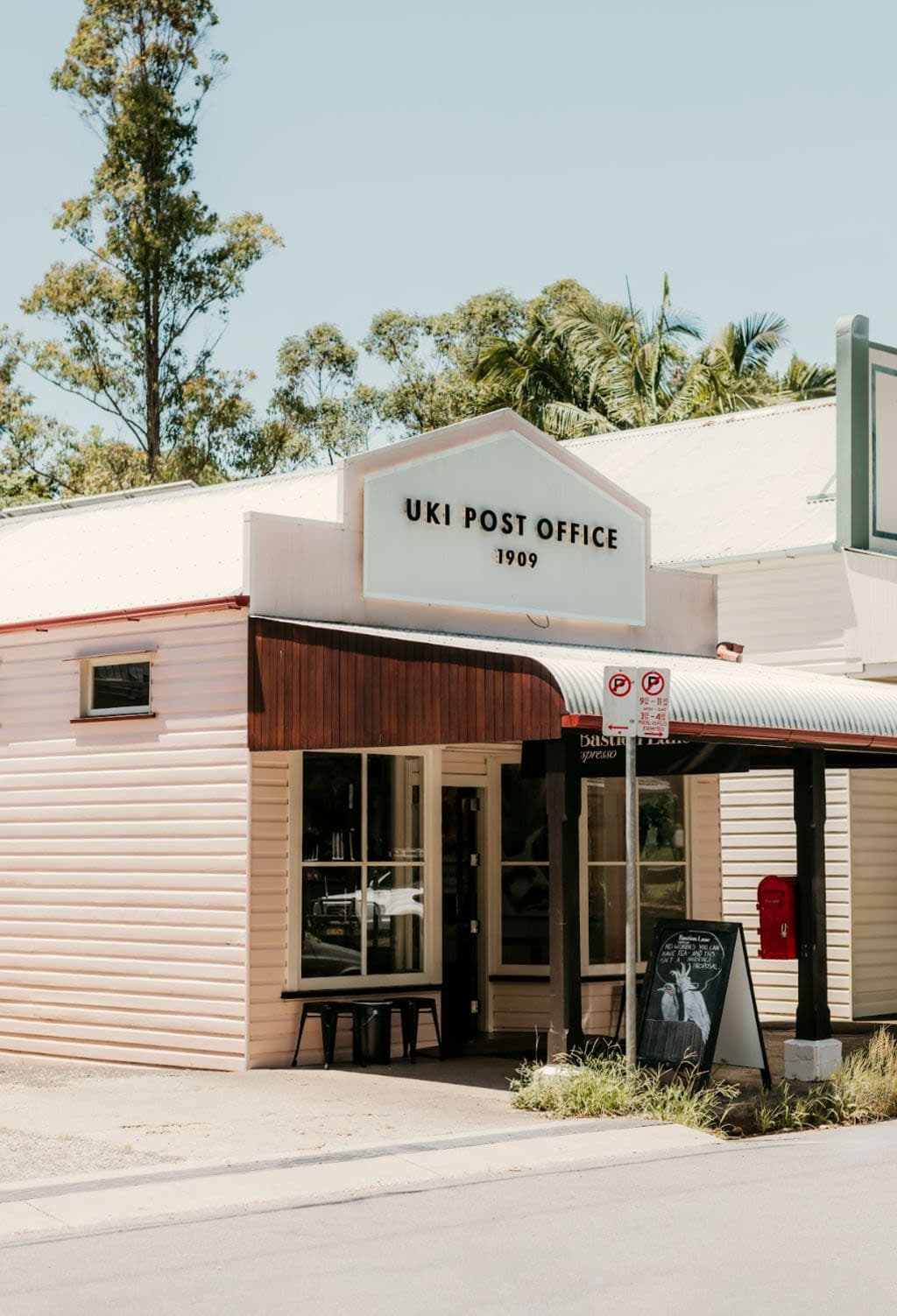
Ageing buildings often require extensive upkeep and struggle to meet modern standards and targets. However, by remodelling and repurposing these buildings – from former churches and post offices to old banks and wool stores – it offers a solution to transform them into modern spaces, often ensuring they meet high sustainability standards.
For instance, 441 Murray Street, Perth, underwent a $53 million redevelopment, transforming it from a commercial office building into a campus for St George’s Anglican Grammar School.
Giving an old building a new lease of life not only hits sustainability goals but also delivers higher rents, said Tynan Luzuk, Colliers director of built form engineering and design.
“Reusing existing structures can substantially reduce embodied carbon, construction waste and approval risk when compared with new builds, while unlocking new revenue opportunities from underperforming assets,” Luzuk said.
“Case studies including 441 Murray Street show how adaptive reuse can future-proof assets by bringing them into compliance with current building and seismic standards, extending economic life and protecting long-term value.”
There is growing demand for buildings that meet standards such as Australia’s NABERS and the international Green Star system. Big businesses has adopted environmental, social, and governance (ESG) goals and are searching for buildings to lease that help them meet these goals.
“What we’re seeing is tenants from a corporate perspective, in particular the large global corporates, they want net zero carbon,” explained Julian Sutherland, JLL head of sustainable assets.
“They want these buildings to be positioned for net zero in the future. They want electrified assets, and they’re really not happy with the current stock that’s available.
“So, there’s massive demand and there’s just very little supply.”
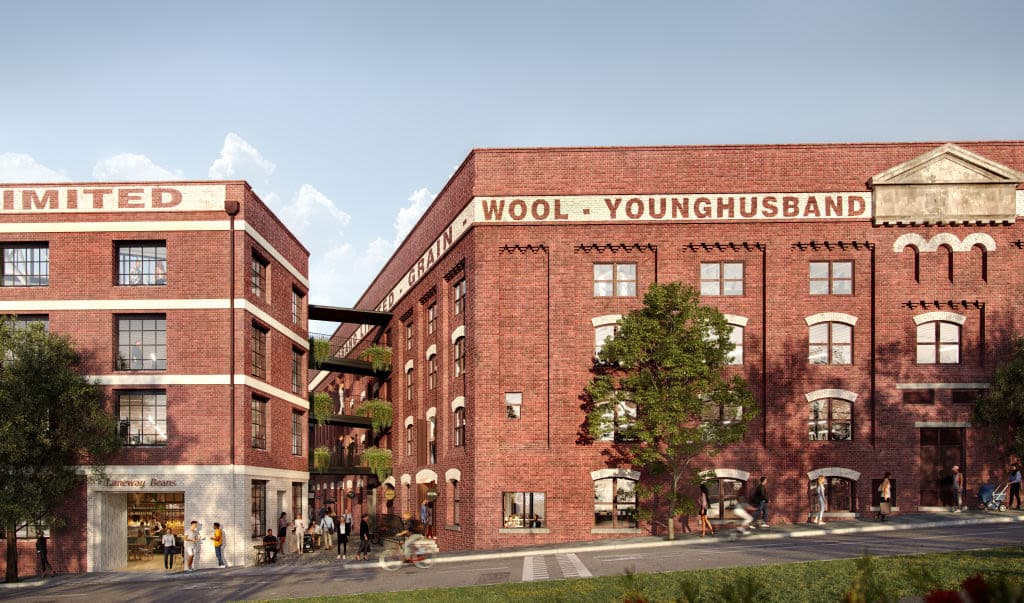
Building owners who can demonstrate they will meet sustainability targets may be eligible for “green loans”, giving them an advantage over other organisations seeking more expensive conventional loans.
A complete restoration and refit is an expensive and complex exercise, and Sutherland said choosing the right time to execute a revamp is critical.
“Finding the right moment to intervene is the challenge and if you’ve got a building and it’s partially occupied, the whole idea of retrofitting is more challenging,” Sutherland said.
“Ideally, it’s probably the moment where the building may be sold and then purchased so the purchaser can come in, can reimagine what that building can look like, can borrow the right amount of money at the time that they’re doing the deal, and can buy sustainable finance rather than traditional finance, which is cheaper.
“At the end of the day, it’s all about the business plan. These things are about money, whether we like it or not, and you need some good capital and capital’s expensive.
“So that purchase and sale moment is probably the most significant when that building can be reimagined.”