Adaptive reuse: Breathing new life into Australia’s commercial buildings
In cities where space is scarce, construction costs are rising, and communities are craving character over cookie-cutter developments, adaptive reuse is one of the more desirable paths of architecture shaping our urban landscape.
Adaptive reuse is the process of repurposing an existing building for a new use, such as turning an old post office into a hotel, a warehouse into an events venue, or a former industrial site into a hospitality destination.
There are many advantages to this architectural strategy, from preserving our heritage to saving carbon by retaining existing structures, and neighbourhoods gain vibrant new hubs with distinct character.
Here are some standout examples of adaptive reuse buildings across the country, along with a few ripe opportunities still waiting for their next chapter.
Department of Transport building, Perth
Once home to a key state government department, this Perth CBD office building has since become a sought-after commercial asset with a future beyond public administration.
The eight-level vacant building at 441 Murray Street had recently undergone a substantial refurbishment and was purchased by Singapore-based private equity firm Redhill Partners in March.
The former Department of Transport building was sold off-market for $22 million, underscoring the appetite for well-located existing structures that can be repositioned for modern business needs. Rather than being replaced, the building’s bones offered a ready-made foundation for reinvention.
Marriott Hotel at the historic GPO, Adelaide
As digital communications evolve, there is less need for post offices, which were once bustling businesses across Australia.
These essential service buildings often reflect the grandeur of their time and are located inside beautiful heritage buildings in our city centres.
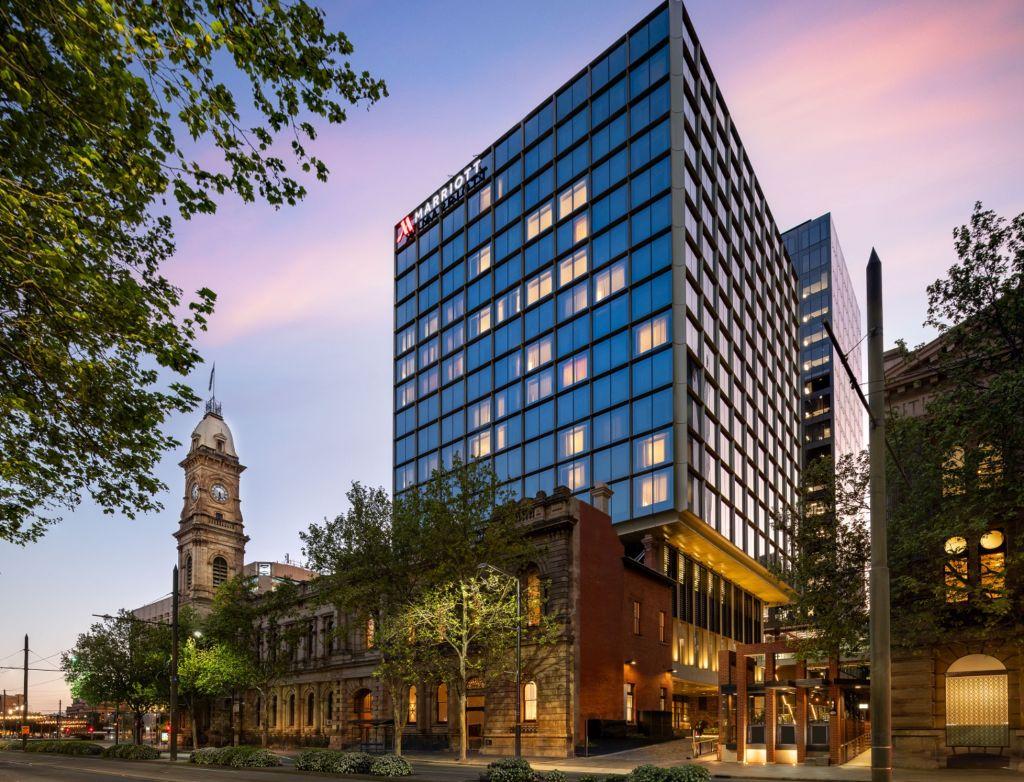
Few adaptive reuse projects balance heritage charm and wow-factor modern design as Adelaide’s new Marriott, located within the city’s heritage-listed General Post Office.
The project retains much of the original sandstone facade and landmark clock tower while introducing a contemporary hotel tower above. It’s a prime example of how old civic buildings can be reimagined for tourism and economic purposes without losing their cultural character.
“Marriott and the development team were drawn to the GPO for its combination of location, legacy and connectivity,” says Paul Gallop, general manager of Adelaide Marriott. “Its civic prominence made it ideal for adaptive reuse.”
Former bank on the edge of the Blue Mountains
Not all adaptive reuse stories are complete; in fact, some are still waiting for the right visionary to give them a new lease on life.
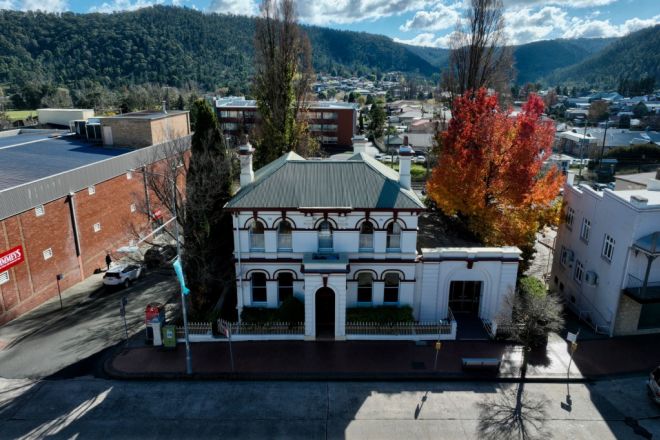
In Lithgow, a former National Australia Bank building has emerged as a prime candidate for transformation, with agents pointing to its architectural presence and prominent corner position as ideal foundations for hospitality, professional services or boutique retail.
The 1230-square-metre site was an NAB branch for 43 years until April last year and is now listed for $1.65 million plus GST.
“The former National Australia Bank is a great opportunity for a brand looking to establish in Lithgow, whether you’re a professional service or hospitality business,” Cabmon Property director Peter Seeto said. “The property offers space and credibility with its beautiful architecture of yesteryear and prominence with its main street corner location.
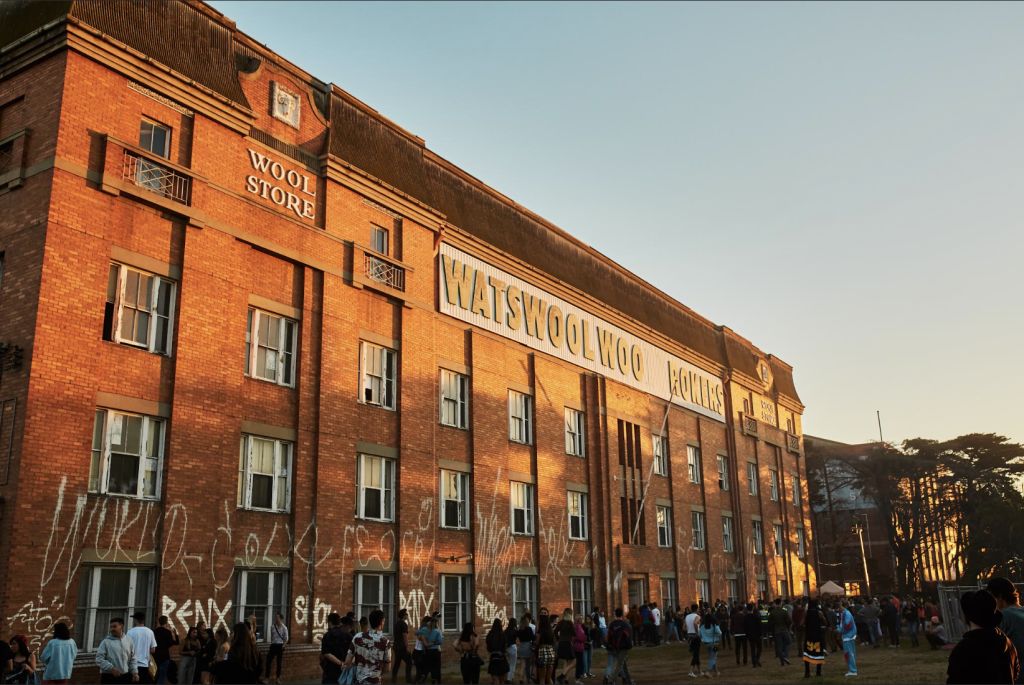
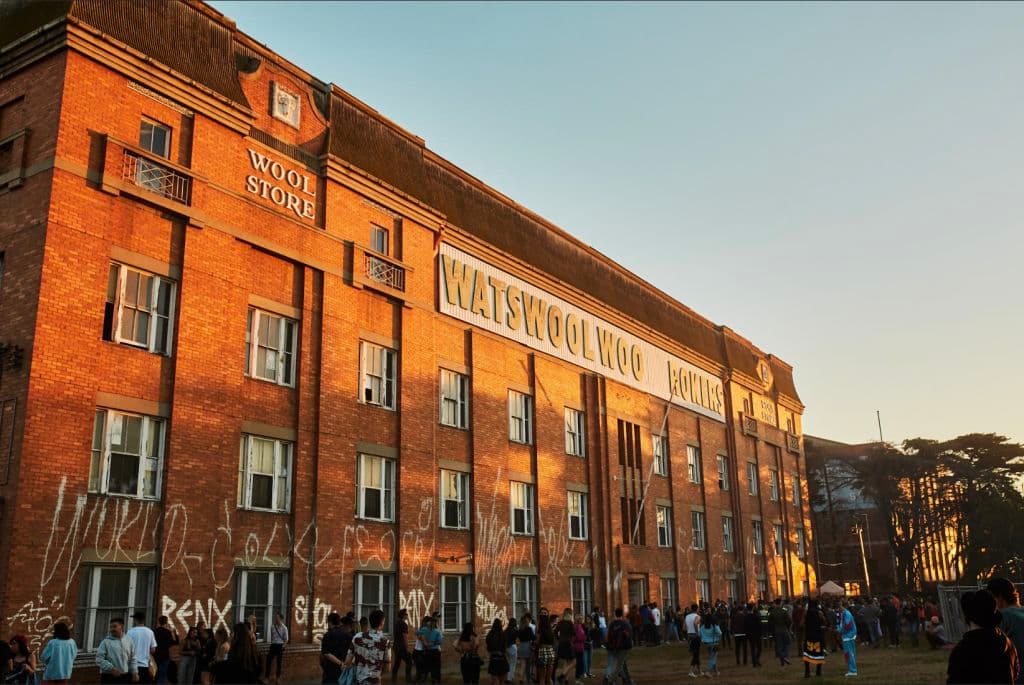
The Wool Store, Footscray
Built in the 1940s during Australia’s post-war wool boom, the red-brick Wool Store in Melbourne’s west is now home to some of the coolest live music events in town.
While abandoned for much of the year, the vast building has been periodically reactivated by creatives as a large-scale cultural and music venue, proving the power of temporary reuse and community-led placemaking.
“We initially choose these locations out of genuine excitement and passion, a desire to host artists we love in spaces that would complement the overall experience,” explains Fil Palermo, the co-founder and managing partner of Untitled Group, an independent music and events company responsible for activating some of the coolest unused spaces across Australia.
“One of our key points of difference emerged, forming a foundation of one of our company’s core pillars: We create unforgettable experiences.
“For venues like The Wool Store … people often experience awe or empowerment from the monumental scale of large buildings, mountains and brutalist architecture.”
7 Bagot Street, Kapunda
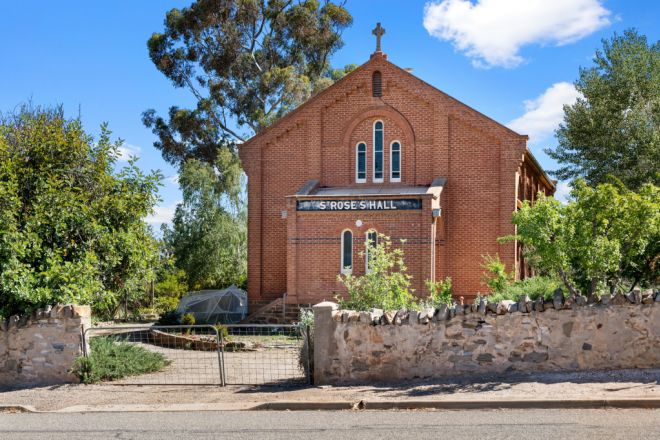
In South Australia’s historic township of Kapunda, a rare site at 7 Bagot Street offers the bones of an adaptive reuse project still to come.
Dating back to 1885 and once home to St Roses Hall, the property includes multiple heritage buildings and expansive grounds, which could be ideal for conversion into a wellness retreat, arts space, hospitality venue or boutique accommodation pending council approval.
For regional towns, these sites can become powerful drivers of renewed interest in the area.
The Grounds of Alexandria
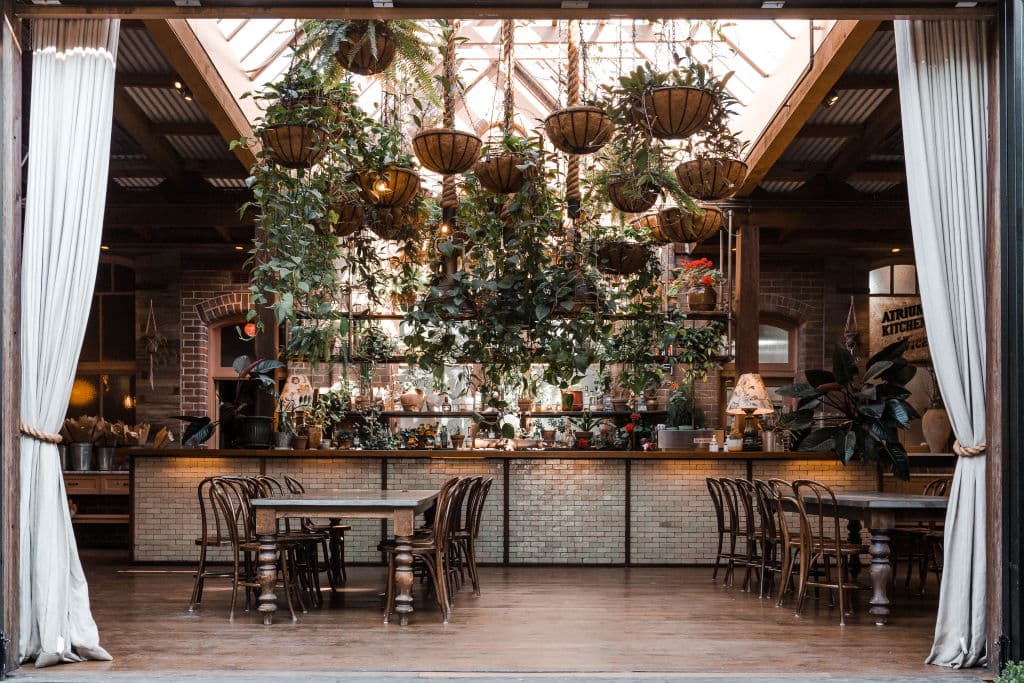
Sydney’s Grounds of Alexandria has become one of the country’s most beloved hospitality destinations, but its origins are thoroughly industrial.
Opened in 2012, the precinct transformed a former pie factory and concrete car park into a lush urban oasis of gardens, cafes and events.
Visitors enjoy exploring the maze of red-brick factory-style walls to discover the artisan vendors and cosy eateries at each corner.
Pentridge Prison, Coburg
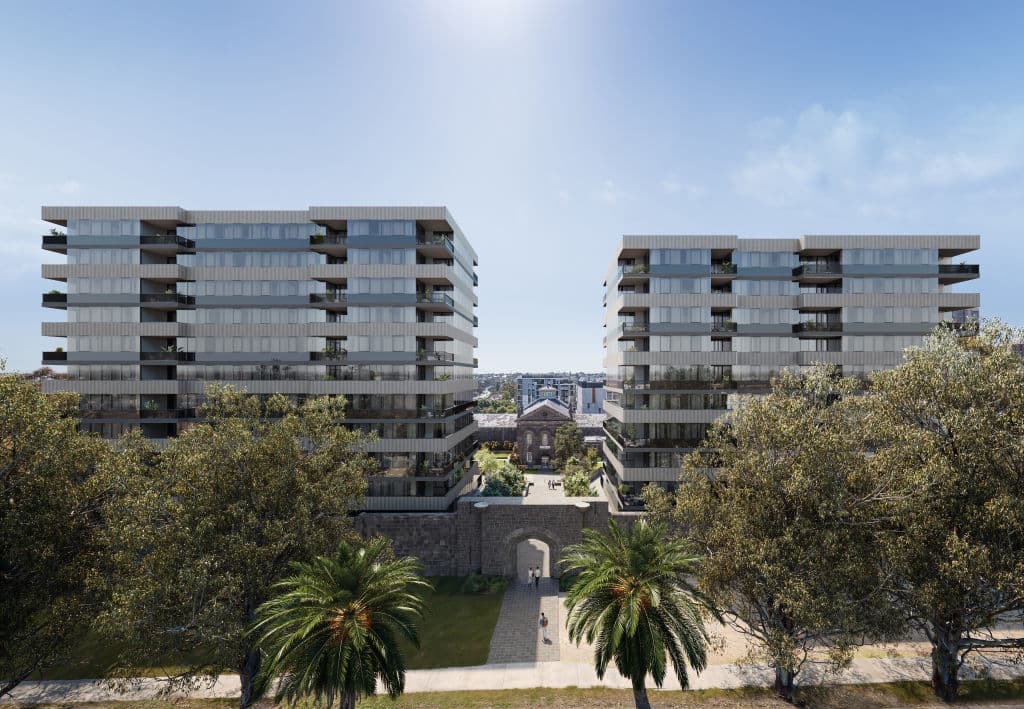
Once the state’s most infamous correctional facility, Pentridge Prison has come a long way in adapting to the modern Melbourne landscape since its decommissioning.
The bluestone prison site has been transformed into a thriving mixed-use precinct that blends heritage architecture with modern community life. Today, the redevelopment incorporates not only apartments, but also a growing retail and hospitality offering, including cafes, retail and even a Palace Cinema.
Rather than wiping the site clean, the project retains much of the original prison structure, giving it a distinct character that nods to its past as a city landmark.