What you need to know before buying a hotel
The hotel market had a stellar year in 2025, with new data from Colliers showing that transactions increased by a sharp 80 per cent following a relatively slow 2024. The jump was 58 per cent higher than the long-term average.
The reasons for the resurgence? Strong trading performance, key sales of premium assets and increased investment from overseas, alongside stabilising interest rates.
Following the sector’s success, investors may be showing renewed interest. But hotels present unique challenges and risks that many buyers underestimate.
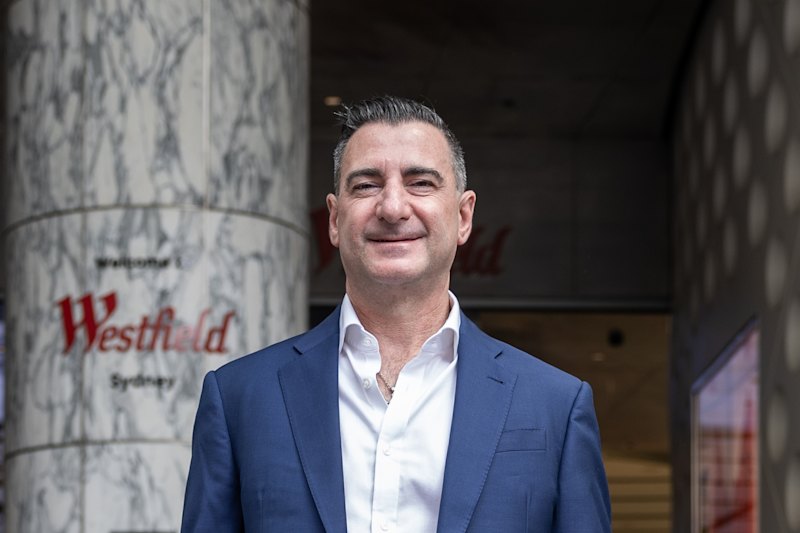
“It’s very easy to look in from the outside and think it’s a simple thing to do. Actually, it’s more complicated than that because there are so many factors that affect the profitability of a property,” said Dean Minett, managing director at Gatehouse Hospitality.
The costs of running a hotel
Staffing costs
One of the biggest distinctions is that hotels function very differently from other commercial property assets. Compared to offices and retail stores, which generally hold leases for multi-year periods, hotels are at the mercy of daily occupancy fluctuations. This increases earnings volatility and makes them more vulnerable to economic shifts. It’s this very volatility that makes hotels both risky and potentially rewarding.
“Hotels are generally more exposed than office or industrial because revenue resets daily. As we saw during the pandemic, corporate travel contracts in downturns, discretionary leisure softens and margins compress quickly,” said Hayley Manvell, CBRE director, capital markets, hotels – Australia.
“However, on the flipside, recovery tends to be faster than other asset classes because hotels can adjust pricing in real time. The flexibility that creates volatility also supports rebound performance.”

Hotels also carry high variable costs, such as staffing, utilities, insurance, and food and beverage operations. The sheer scale and labour intensity of a hotel mean expenses can quickly escalate, potentially undercutting returns by a significant margin – particularly during off-peak periods. Here, cash buffers and careful cost management are essential.
Maintenance costs
Maintenance and capital expenditure obligations can also affect long-term returns. In a highly competitive and often saturated market, these are strategic investments necessary for a hotel to maintain its edge.
“Typically, hotels allocate approximately 3 per cent of total revenue annually into an FF&E [furniture, fixtures and equipment] reserve,” said Manvell. “Beyond that, buyers should budget for periodic refurbishments every seven to 10 years, depending on market positioning.”
Despite the appeal of upgrading assets, increased capital spend doesn’t necessarily translate to higher room rates.
“Sometimes people will look at a hotel that’s tired and say, ‘I’m going to refurbish it. I’m going to redo all the bathrooms and change the carpet and the curtains.’ The reality is that might cost them, say, $100,000 a room on average,” said Dean Dransfield, director at Dransfield Hotels and Resorts.
“But the problem is the area might not be good enough to do anything more than give you an extra $20 a night in room rate, and that only supports a $50,000 refurbishment.”
Market valuation
Lastly, valuation can be more complex to navigate simply because of how the hotel market behaves. This is a critical consideration that can trip up newer hotel investors.
“Valuation is harder and more subjective. Buyers are forward-looking. Valuers are only backward-looking,” said Dransfield. “So, typically, valuations from a bank-approved valuer come in lower – and sometimes much lower – than what the market would attribute as fair value to the property. That means the level of debt you can get is less than what you might have thought.”

What are the risks of buying a hotel?
While buying a hotel carries risks, they can be mitigated through rigorous due diligence.
A detailed financial analysis should cover the hotel’s performance, outstanding liabilities, operating expenses and capital expenditure obligations. Appointing an accountant to verify these figures can help avoid costly discrepancies. Investors should also assess RevPAR (revenue per available room) against the hotel’s competitive set to see how it performs relative to comparable assets.
Compliance checks should include verifying licences are up to date and reviewing safety and accessibility standards, while the building itself should be structurally assessed by a qualified engineering team.
Investors should also pay close attention to the Hotel Management Agreement (HMA). Unlike a traditional lease, it defines how the hotel is operated, how fees are structured and when the agreement can be terminated.
“The quality of the operator is quite important, particularly in Australia,” said Dransfield. “Seventy to 80 per cent of the guests in a hotel, no matter what the quality is, are domestic. All of the staff are domestic, so you’re paying Australian labour rates and getting Australian productivity outcomes. If you don’t have experience in Australia, you’re likely to get that wrong.”
“Sometimes some investors think, ‘I’ll just employ my own general manager and I’ll run it myself,’ and they don’t think about the distribution networks that they need to bring business in,” added Minett.
Once acquired, hotels rarely deliver overnight results. Instead, investors need to be prepared for the long haul.
“Hotels don’t typically stabilise until they’re three to four years in,” said Minett. “It can be very cyclical and lumpy, and investors need to be able to withstand that variation in their income.”
For patient, equity-rich investors, that cyclical nature can be a feature rather than a flaw. As Minett noted, “In the long term, the capital appreciation is there, and it’s a valid long-term investment.”